
Reviewed · WALKING TOURS
Gothenburg: Haga Old Town Walking Tour
Haga’s appeal is easy to spot: old wooden houses, cobbled pedestrian streets, cafe windows, and the hilltop fort of Skansen Kronan rising above the neighborhood. But the best part is the change in mood. This was once a poor district with a rough reputation. Today, it is Gothenburg’s most polished old quarter, yet its past still gives the pretty streets some bite.
I like the way this tour connects Haga’s buildings to Gothenburg’s wider story, rather than treating the neighborhood as a photo stop. I also like the small-group feel reported by many guests. Guides including Sarah, Sara, Kalina, Luka, and Helena have offered local food tips, cultural context, and flexible conversation. The main caution is the steep walk to Skansen Kronan, which may be difficult for some people with mobility issues, even though the activity is listed as wheelchair accessible.
In This Review
- Key points to know before booking
- Why Haga makes such a good first walk in Gothenburg
- Haga Nygata and the neighborhood’s changing fortunes
- The stories behind the wooden facades
- The climb to Skansen Kronan
- What the guide adds beyond the sights
- How much value do you get for $55?
- Timing, meeting point, and the 1.5-hour question
- Who will enjoy this Gothenburg walking tour?
- Should you book the Haga Old Town Walking Tour?
- FAQ
- How long does the Haga Old Town Walking Tour last?
- Where does the tour meet?
- What language is the tour conducted in?
- Is Skansen Kronan included?
- Is the tour wheelchair accessible?
- What does the price include, and can I cancel?
Key points to know before booking

- The wooden houses are the star: Haga Nygata features well-preserved landshövdingehus, with a brick ground floor and wooden upper floors.
- Expect more than architecture: Guides explain Haga’s place in Gothenburg’s social and urban history, along with Swedish customs and daily life.
- Skansen Kronan adds a workout: The former fort provides broad views, but reaching it involves a steep uphill walk.
- Small groups can feel personal: Several bookings became private or nearly private tours, with plenty of time for questions.
- Plan a cafe stop afterward: Guides regularly suggest places for coffee, cake, meals, and further sightseeing.
- Allow up to two hours: The activity information gives both 1.5 and 2 hours, and one guest reported a full two-hour tour.
Why Haga makes such a good first walk in Gothenburg
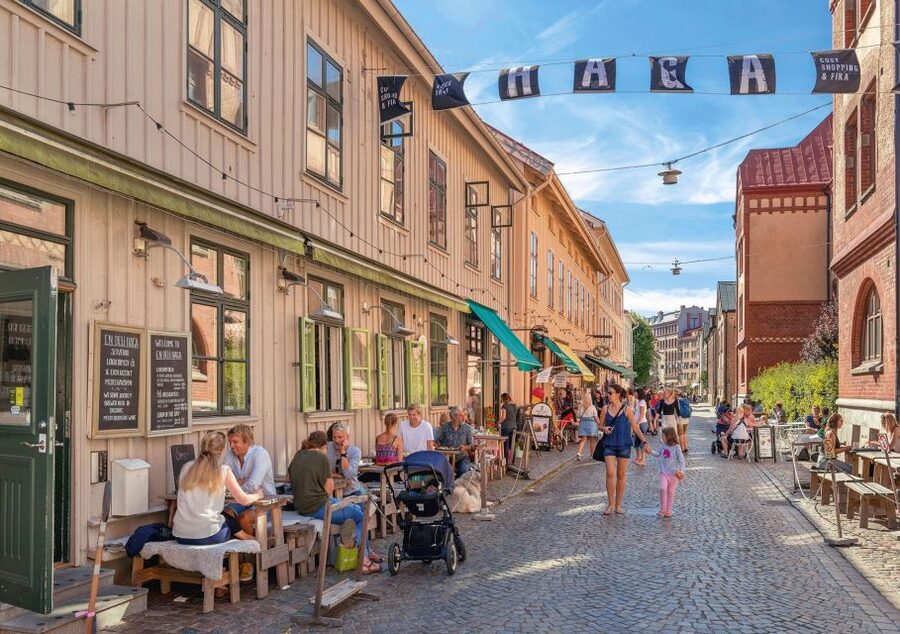
Haga is one of Gothenburg’s oldest neighborhoods, dating from the middle of the 17th century. Its location near the center makes it an easy introduction to the city, especially if you have only a short stay or want to get oriented before exploring on your own.
The tour focuses on the pedestrian street Haga Nygata and the surrounding lanes. This is where you see the district’s best-known wooden buildings, independent shops, cafes, and delicatessens. The street is attractive, but the guide gives you a reason to stop and look closely instead of simply strolling past.
The local building style is called landshövdingehus. These houses have one floor built in brick and the remaining floors made of wood. That combination is strongly associated with Gothenburg, and it gives Haga a look that differs from the stone-heavy centers of many European cities.
I find this especially useful for visitors who might otherwise reduce Haga to a picturesque shopping street. The buildings are not just decorative. They reflect how the neighborhood developed, who lived there, and how the city changed around it.
A few more Gothenburg trips to weigh up
- Gothenburg Private Walking Tour with a Local
★ 4.0 · 36 reviews - Make Your Own Tour – Guided Walking Tour
★ 4.5 · 32 reviews - Best of Gothenburg: Private Walking Tour with a Local
★ 4.6 · 24 reviews
Haga Nygata and the neighborhood’s changing fortunes
The central walk along Haga Nygata is the gentlest and most accessible part of the outing. You can expect the guide to point out significant houses and explain how Haga moved from a working-class district to one of Gothenburg’s most popular areas.
That change is a useful subject for discussion. Haga once had a seedy reputation and was regarded as a slum in the 19th century. Today, its wooden facades are carefully preserved, and the street is filled with cafes, shops, and places to eat.
The tour does not present this change as a simple fairy tale. The neighborhood’s success has brought attractive businesses and restored buildings, but it has also changed the feel of the area. One guest described Haga as a successful example of gentrification, a fair way to think about the district. You get beauty and convenience, but also a chance to consider what happens when an old working neighborhood becomes a prized part of the city.
Your guide can make that story personal. Sarah and Sara were praised for explaining not only the past, but also what it is like to live in Gothenburg today. Kalina was noted for discussing Swedish education, family leave, and everyday life. These conversations give the tour more value than a list of dates and architectural labels.
The stories behind the wooden facades

The strongest part of the walk depends on the guide’s storytelling. The information promises local folklore and insider tales, and the guide names vary by departure. Sarah, Sara, Kalina, Luka, Helena, and Karen have all led highly rated outings.
That variation means the tone may differ from one tour to another. One guide may focus more on architecture, another on social history, and another on Swedish culture or food. This is not a scripted museum visit, and that is part of its appeal. You can ask about the subjects that interest you.
Several bookings turned into one-person or two-person outings. In those cases, the guide had more room to answer questions and adjust the pace. One guide even spent extra time showing a participant additional places after the planned walk. You should not count on extra time, but the small-group format can make the experience feel more like a conversation than a lecture.
The guides also seem comfortable widening the subject beyond Haga. You might hear about Gothenburg’s development, other neighborhoods, Swedish customs, and how the city works today. That broader context helps you understand why Haga matters rather than treating it as an isolated old quarter.
The climb to Skansen Kronan
The most important practical detail is also the one easiest to miss: the route includes Skansen Kronan, a former fort on a hillside above Gothenburg.
The climb is steep. The reward is a broad view over the city, and the fort gives the walk a strong finish. It also changes the physical character of the tour. This is not only a flat stroll along cafes and wooden houses.
If you have limited mobility, bad knees, or a companion who cannot manage a steep hill, plan carefully. One group had a participant remain near the bottom while the rest continued. The guide adapted the route and returned the same way so the group could reunite. That shows useful flexibility, but you should still regard the climb as a real consideration.
The activity is listed as wheelchair accessible, yet the hill may make part of the route challenging for some wheelchair users. If access is important to you, confirm the current route and the practical conditions before booking. The level portions around Haga Nygata should be easier, but the Skansen Kronan section deserves specific attention.
Weather matters here, too. Gothenburg can be wet and windy, and one guide adjusted the departure time on a rainy day to make the experience more comfortable. Another tour went ahead in heavy rain and wind, with the guide keeping the group engaged. Bring suitable outdoor clothing rather than assuming this is a cafe-centered outing.
Same city, a completely different kind of day:
- Gothenburg: Archipelago cruise with guide
★ 4.3 · 1,002 reviews - Gothenburg: City Canal Sightseeing Cruise
★ 4.7 · 470 reviews - Gothenburg: Go City All-Inclusive Pass with 20+ Attractions
★ 3.8 · 222 reviews - Gothenburg: City Sightseeing Hop-On Hop-Off Bus Tour
★ 3.8 · 206 reviews
What the guide adds beyond the sights
A good local walk should help you use the rest of your day better, and this one seems particularly useful in that regard. Guides regularly recommend cafes, restaurants, bars with views, churches, sightseeing spots, and places to buy authentic souvenirs.
The advice can be specific to your interests. If you care about food, you may get a tip for coffee and cake or a dinner suggestion. If you want to continue exploring, the guide can point you toward other parts of Gothenburg. This is one reason I would schedule the tour near the beginning of a stay rather than on your final afternoon.
The cultural conversation is another plus. Guides have discussed Swedish education, maternity and paternity leave, free university-level education, and ordinary life in the country. These subjects come up naturally when you ask questions, so you should treat the tour as an opportunity to talk, not just listen.
The experience is conducted in English. The descriptions of the guides emphasize clear speech, humor, enthusiasm, and an easy way of answering questions. For English-speaking visitors, that makes it a practical first contact with Gothenburg.
How much value do you get for $55?
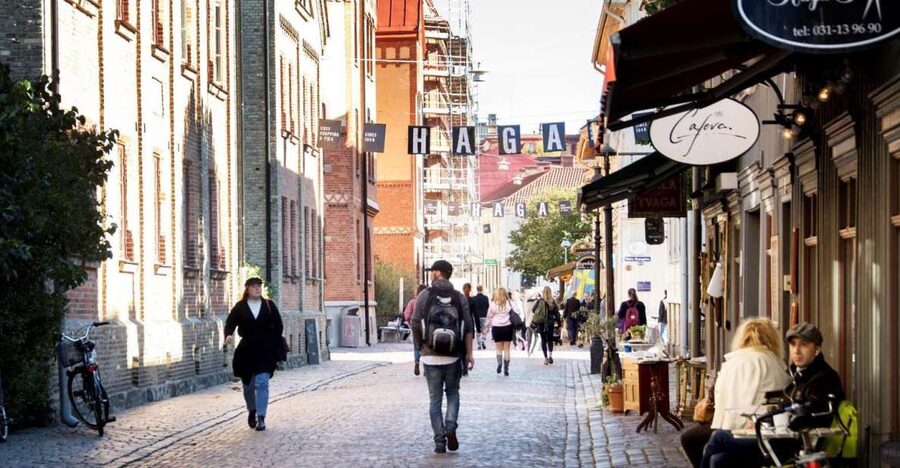
At $55 per person, this is not the cheapest way to walk through Haga. You can visit Haga Nygata, admire the houses, and browse the shops without paying an admission fee.
The price makes sense if you want context. A guide can explain why the houses look the way they do, how the district gained its reputation, what changed during its restoration, and how Haga fits into Gothenburg as a whole. You are also paying for local recommendations and the chance to ask direct questions.
The value improves when the group is small. Many bookings had only a few people, and some became private tours at the same price. That is not guaranteed, but it has happened often enough to make the format appealing to solo visitors and couples.
For a quick city introduction, the tour is also efficient. It combines architecture, local history, views, and neighborhood advice in one walk. If you already know Gothenburg well, the price may feel high for a short outing. If this is your first visit, the added context can save time and help you choose what to do next.
Gratuity is not included. The stated price covers the walking tour and professional local guide, so plan any tip separately if you feel the service deserves one.
Timing, meeting point, and the 1.5-hour question
The information gives two different lengths: the overview describes a two-hour walk, while the activity details say 1.5 hours. One booking lasted exactly two hours, so I would allow two hours in your schedule, especially if you want time for questions and the hilltop fort.
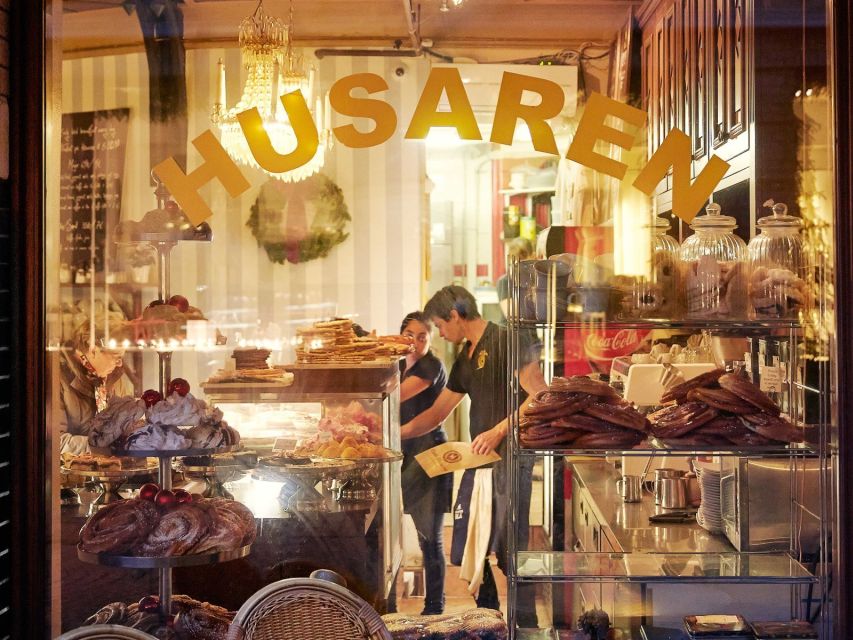
The meeting point is directly outside the main entrance to Haga Church. Pay close attention to your current confirmation, since one group received earlier instructions naming Cafe Husaren on Haga Nygata and found the guide waiting at the church instead. The guide waited, but the confusion delayed the start by about 15 minutes.
Haga Church is a sensible meeting point because it is easy to identify, but give yourself time to find it. Arriving early also helps if the start location changes or if you need to contact the guide.
The activity offers free cancellation up to 24 hours before departure, with a full refund. You can also reserve now and pay later, which is useful when building a Gothenburg schedule around weather or transport.
Who will enjoy this Gothenburg walking tour?
I would choose this tour if you want a clear introduction to Gothenburg without spending half a day in a museum. It suits first-time visitors, solo travelers, couples, and small groups who enjoy asking questions and learning how a place works.
It is especially good for you if:
- You like old buildings but want their social story too.
- You have only a few hours in Gothenburg.
- You want local cafe and restaurant suggestions.
- You enjoy hearing about Swedish life as well as Swedish history.
- You prefer a small, conversational group.
- You can manage a steep climb to a hilltop fort.
Families and mixed-age groups can also enjoy it. One guide adjusted the presentation for different ages, and the walk allows regular questions. Still, the Skansen Kronan climb may not suit every child, older adult, or person with limited mobility.
You may want to skip it if you prefer a completely flat route, dislike weather-dependent outdoor activities, or only want to shop and take photographs. Haga is easy to explore independently, so the tour’s main benefit is the interpretation and personal guidance.
Should you book the Haga Old Town Walking Tour?
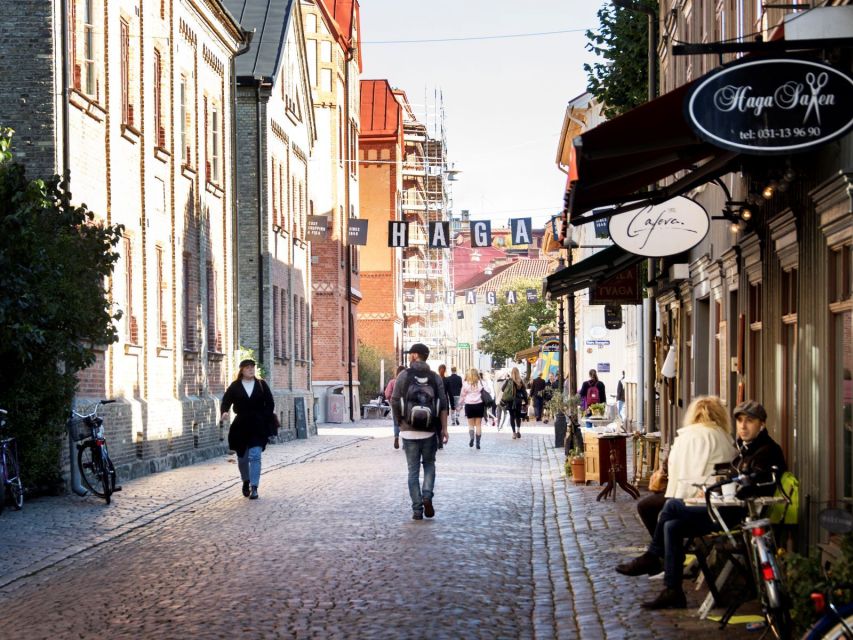
Book it if you want Haga to make sense, not just look pretty. The wooden houses are attractive on their own, but the guide’s explanation of the district’s past, its social changes, and modern Swedish life gives the neighborhood greater meaning.
I would book near the start of your Gothenburg stay, arrive at Haga Church early, and leave room for two hours. Wear comfortable shoes and weatherproof clothing. If the Skansen Kronan climb is a concern, check the route before paying and decide if you would be happy to enjoy the lower part of Haga instead.
At $55, this is best value for visitors who appreciate local conversation, flexible pacing, and useful recommendations. It is less compelling for independent walkers who are satisfied with a self-guided look at Haga Nygata. For most first-time visitors, though, the combination of distinctive architecture, city views, and practical local advice makes this a worthwhile way to begin exploring Gothenburg.
FAQ
How long does the Haga Old Town Walking Tour last?
The activity details list the duration as 1.5 hours, while the tour overview describes a two-hour walk. One booking lasted exactly two hours, so allow up to two hours.
Where does the tour meet?
You meet your guide outside the main entrance to Haga Church. Check your current booking information before departure, since earlier instructions for one group named Cafe Husaren instead.
What language is the tour conducted in?
The live tour guide speaks English, and English is the listed tour language.
Is Skansen Kronan included?
Yes. The walk includes the former fort of Skansen Kronan on a hillside above Gothenburg. Reaching it involves a steep uphill section, followed by a return walk.
Is the tour wheelchair accessible?
The activity is listed as wheelchair accessible. However, the steep route to Skansen Kronan may be difficult for some people with mobility issues, so confirm the current route if accessibility is important.
What does the price include, and can I cancel?
The $55 price includes the walking tour and a professional local guide. Gratuity is not included. You can cancel up to 24 hours in advance for a full refund, and reserve now while paying later.
Just added around Gothenburg
- Explore the Instaworthy Spots of Gothenburg with a Local★ 5.0 · 3 reviews
- Private Boat Ride in Gothenburg with pickup★ 4.0 · 9 reviews
- Make Your Own Tour – Guided Walking Tour★ 4.5 · 32 reviews
- Gothenburg : Private Walking Tour with A Guide (Private tour)★ 4.0 · 19 reviews
- Haga Sightseeing Tour★ 4.0 · 11 reviews
- Historical Walking Tour in Restaurant and Bars in Central City★ 5.0 · 9 reviews
- Discover Gothenburg’s most Photogenic Spots with a Local★ 4.5 · 7 reviews
- 24h Gothenburg Hop-On Hop-Off Boat Tour★ 4.5 · 18 reviews
Walking Tours, compared.


The Original Stockholm Ghost Walk and Historical Tour – Gamla Stan
Read our review →
Best of Stockholm Walking Tour-3 Hours, Small Group max 10 people
Read our review →

Old Town Guided Walking Tour (English / Deutsch)
Read our review →Browse the lists this tour appears in