Reviewed · SNOW
Snowshoe in a Winter Forest
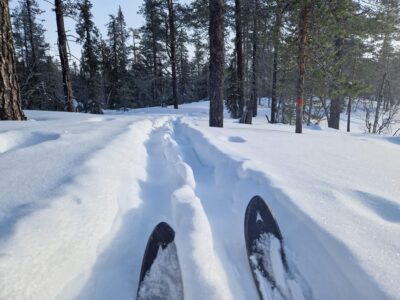
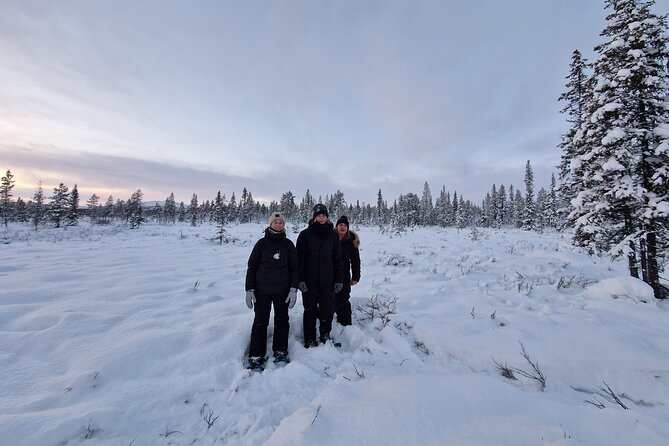
Kiruna’s winter forest is not empty or silent once you know where to look. On this easy 2 to 2.5 km snowshoe walk, guide Anders points out tracks, explains how animals cope with the Arctic year, and adds stories about life in northern Sweden. The forest becomes a book written in snow.
I like the small maximum group of eight people, which gives Anders time to help with the snowshoes and answer questions. I also like the simple break built into the outing: hot homemade berry juice, a traditional Kangoskaka cookie, and, according to the experience details, time by a campfire.
The main thing to consider is clothing. Snowshoes are provided, but no extra winter gear is, so you must arrive dressed for cold, snow, and an outdoor activity. The outing is easy, but Kiruna winter still demands proper boots, warm layers, gloves, and a hat.
In This Review
- Key points to know before you book
- A gentle way into Swedish Lapland’s winter forest
- Reading animal tracks instead of chasing wildlife
- Anders brings local stories to the walk
- The warm drink break is more than a small extra
- Pickup makes the short tour easier to fit into Kiruna
- What the $146.65 price means in practical terms
- Clothing is your responsibility
- Who will enjoy this snowshoe outing
- Small details that make the experience feel local
- Should you book Snowshoe in a Winter Forest?
- FAQ
- Where does the snowshoe experience take place?
- How long is the tour?
- Is the snowshoe walk difficult?
- What equipment is included?
- Do I need to bring winter clothing?
- What food and drink are included?
- Where is pickup available?
Key points to know before you book
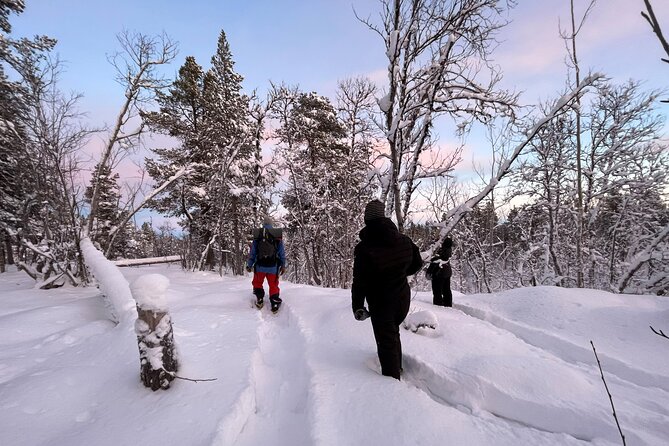
- Track Arctic wildlife in the snow: Anders can identify animal prints and explain what they reveal about behavior.
- Easy pace and short route: The walk covers about 2 to 2.5 kilometers and requires no special snowshoeing skill.
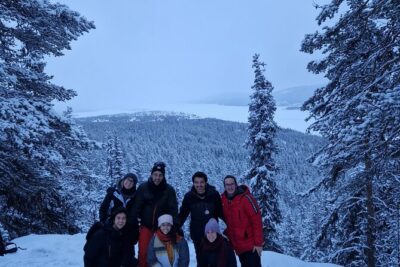
- Small group setting: The maximum group is eight, allowing more personal help and conversation.
- A warm local pause: Homemade berry juice and a Kangoskaka cookie are included.
- Pickup from central Kiruna: Transfers are offered from named hotels and central meeting points in both the old and new town areas.
- Bring your own winter clothing: Snowshoes and a headlamp, if needed, are included, but clothing is not.
A gentle way into Swedish Lapland’s winter forest
This is not a hard trek or a race through deep snow. It is a short nature walk designed to help you notice what is around you. The pace is easy, and the stated activity level is easy, making this a good choice if you want outdoor time without committing to a full-day expedition.
The route covers roughly 2 to 2.5 kilometers during an outing of about two and a half hours. That leaves time for explanations, pauses, photographs, fitting the equipment, and the warm drink break. I like this balance. In winter, a short walk can feel far more rewarding than a long one if you are stopping to read tracks and listen to the forest.
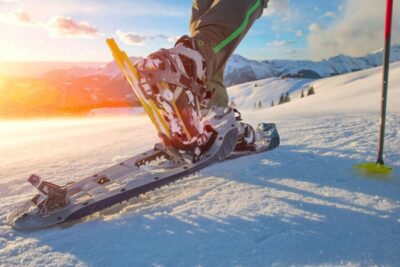
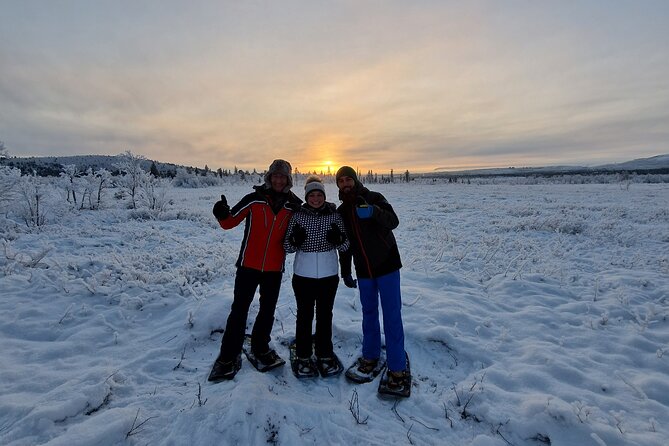
You will use snowshoes supplied by Outdoor North 67°. Snowshoes spread your weight across the snow, helping you walk on soft surfaces that would be awkward in ordinary boots. You do not need previous experience. Anders helps with the equipment, and the easy route means you can focus on the setting instead of worrying about technique.
The experience is open to participants aged 12 and older. Most people can take part, but you should still think honestly about your comfort in cold weather and on snowy ground. Easy does not mean indoor-easy. You will be outside for the duration, and the weather in Kiruna can change how comfortable the walk feels.
A few more Kiruna trips to weigh up
- Snowshoe up a Mountain
★ 5.0 · 19 reviews - Kiruna: Cross-Country Skiing Tour with a Guide
★ 5.0 · 3 reviews - Stockholm: Winter Kayaking, Swedish Fika and hot Sauna Experience
★ 5.0 · 156 reviews
Reading animal tracks instead of chasing wildlife
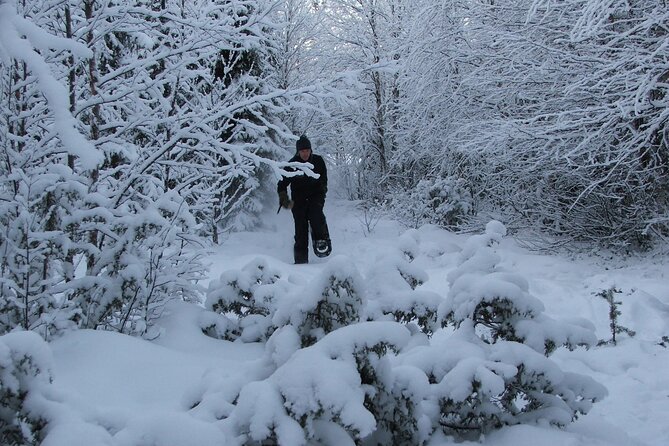
The most distinctive part of the outing is the search for animal tracks. You may not see an animal itself, and you should not book this expecting a wildlife sighting. The real reward is learning to interpret signs left behind in the snow.
Anders can identify different tracks and discuss what an animal may have been doing. A set of prints can suggest movement, feeding, or passage through the forest, though the exact story is not always certain. That makes the activity more interesting than simply ticking off species. You learn to pay attention to details that would otherwise look like random marks.
The focus also reaches beyond large animals. The tour description points to life both big and small, with discussion of how wildlife survives through the Arctic year. That makes the experience useful for families with older children, first-time visitors to Lapland, and anyone who wants a plain-language introduction to the local environment.
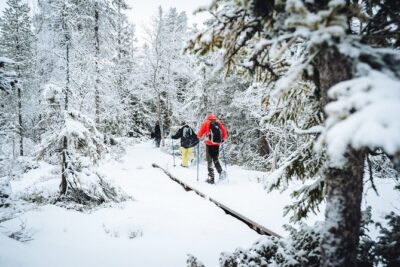
The forest itself changes the mood of the outing. Snow softens the sounds, and the trees create a calm setting away from Kiruna’s roads and buildings. Several parts of the route may look similar to an untrained eye, so Anders’s explanations matter. He can give the walk a sense of direction and purpose without making it feel like a classroom lesson.
Anders brings local stories to the walk
A guide can make or break a short nature activity. Here, Anders is the named guide, and the experience is clearly built around his personal knowledge of the area. He was born and raised locally, according to the supplied feedback, and his subjects range from animals and forest plants to Kiruna, mining, and Sami culture.
I especially like that the cultural material is not treated as a separate lecture. It is woven into the walk. You might be looking at trees or animal prints, then hear about the way people live in Kiruna, the importance of mining, or Sami culture in Swedish Lapland.
The best guiding style for this sort of outing is attentive rather than showy. Anders is described as making sure everyone can keep up and feels comfortable. That matters in a small group, since participants may have different levels of confidence with snowshoes.
His sense of humor and enthusiasm also come through in the experience details. That can be helpful on a gray or very cold day, when a guide’s energy keeps a short outdoor activity from feeling flat. At the same time, you should not expect a formal museum tour. The value comes from conversation, observation, and local interpretation.
The warm drink break is more than a small extra
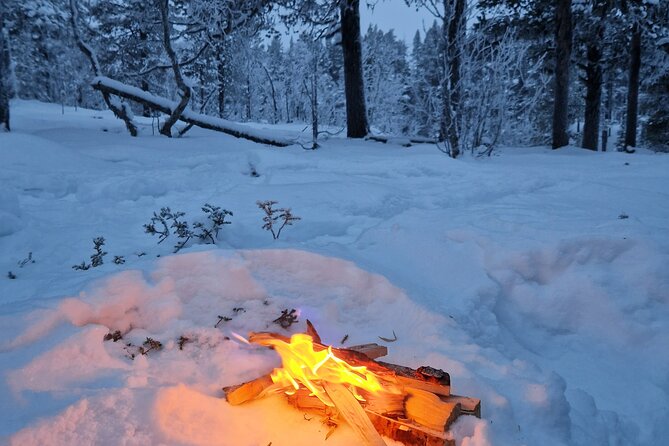
The included refreshment is hot homemade berry juice and a traditional cookie called Kangoskaka. This is a modest offering, but it fits the setting much better than a packaged snack would.
A warm drink gives you a chance to thaw your hands, slow down, and take in the forest. The berry juice is described as lingonberry juice in the feedback, and the cookie is served as a traditional local treat. The combination adds a taste of the region without pretending to be a full meal.
The break is also part of the social side of the trip. A small group gathered near a fire has time to talk with Anders and with one another. If you are traveling alone, this can make the outing feel more personal. If you are traveling as a couple or family, it gives everyone a natural pause before the walk continues.
Do not treat the included food as lunch. The tour lasts around two and a half hours, and the listed food is a drink and cookie. If you need substantial food in the morning, eat before pickup.
Same city, a completely different kind of day:
- Kiruna Northern Lights Tour with Photographer
★ 5.0 · 735 reviews - Kiruna: Northern Lights Tour with Photos
★ 4.9 · 333 reviews - Northern Lights Tour from Kiruna to Abisko with Dinner
★ 5.0 · 311 reviews - Sit Down Husky Ride Dog Sled Tour in Kiruna
★ 5.0 · 216 reviews
Pickup makes the short tour easier to fit into Kiruna
Round-trip transfer from central Kiruna is included, which is useful for a two-and-a-half-hour activity. You do not need to arrange a separate taxi or work out how to reach the forest on your own.
The pickup information names Camp Ripan, a central tourist information point, and Hotel Scandic. The more detailed meeting information also names Hotel Arctic Eden in the old town, with Hotel Scandic in the new town as the final pickup. Since the supplied timing details differ slightly, I would confirm your exact pickup point and time after booking.
The vehicle is described as a black minivan with the on67° logo. At Camp Ripan, the meeting information says pickup begins about 15 minutes before the 10 a.m. start. Another timing note says 10 minutes before, while the general pickup details give different lead times for the listed stops. The practical answer is simple: arrive early and wait where instructed.
Pickup is offered at:
- Camp Ripan
- Tourist Information in central Kiruna, as listed in the tour information
- Hotel Arctic Eden in the old town, as listed in the detailed pickup notes
- Hotel Scandic in the new town
The conflicting point names are worth checking, not because they ruin the outing, but because a missed minivan is an unnecessary way to start a winter morning.
What the $146.65 price means in practical terms
At $146.65 per person, this is not the cheapest way to spend a morning in Kiruna. The price makes more sense if you value a guide, equipment, transportation, and a very small group rather than simply paying for access to snow.
You are receiving round-trip pickup from central Kiruna, snowshoes, a local guide, the wildlife and cultural interpretation, a hot berry drink, a cookie, and a headlamp if needed. The group limit of eight is important here. A cheaper, larger activity may offer less time for personal help and fewer opportunities to ask questions.
The route is also short and easy. If you want strenuous exercise, long backcountry travel, or a full-day wilderness trip, this will probably feel too limited for the price. You are paying for an approachable introduction to the winter forest, not for distance covered.
I see the strongest value for people who have one free morning in Kiruna and want something more meaningful than a quick photo stop. You get local context, a practical introduction to snowshoes, and a taste of northern Swedish hospitality. The tour can also work well early in a trip, since it helps you understand the local environment before taking on more demanding Arctic activities.
The experience is offered in English, and confirmation is received at booking. It is booked well ahead on average, around 57 days in advance, so waiting until the last minute may leave fewer available spaces.
Clothing is your responsibility
This is the most important practical warning. The operator provides snowshoes and a headlamp if needed, but no additional clothing. You must dress for the forecast and for standing or walking in snow.
Use warm layers rather than one heavy item. A winter coat, insulated trousers, warm socks, gloves, and a hat are sensible basics. Waterproof footwear matters because snow can work its way into ordinary shoes, and cold feet can spoil an otherwise pleasant walk quickly.
The details do not specify a clothing rental service, so do not assume you can borrow everything on arrival. If you are coming from a warmer climate, check your gear before pickup. The tour is easy in terms of distance and effort, but comfort depends heavily on what you wear.
A headlamp is supplied if needed. Since the activity starts at 10 a.m., daylight may be available, but winter light can be limited. You do not need to bring a lamp unless you prefer your own.
Who will enjoy this snowshoe outing
I would recommend it to you if you want a gentle outdoor experience with a strong local guide. It suits people who are curious about wildlife, trees, Kiruna, and Sami culture, even if they have never used snowshoes before.
It is also a good fit for:
- Couples looking for a quiet shared activity
- Families with children aged 12 and older
- Solo visitors who prefer a guided outing
- First-time snowshoers
- Nature lovers who enjoy tracks and signs more than fast activity
- Visitors with only a morning available
The maximum age is not specified, and the activity is described as suitable for most participants. Still, you should be comfortable walking about 2 to 2.5 kilometers in winter conditions.
I would choose another activity if you want a difficult hike, a long route, guaranteed animal sightings, or a tour focused mainly on adrenaline. Wildlife is the subject, not a promise. You may find tracks without seeing the animals that made them.
Small details that make the experience feel local
The strongest parts of this outing are not complicated. They are the details that connect the walk to Kiruna.
Anders can talk about mining in the area, an important part of Kiruna’s identity. He can also explain Sami culture, giving you context that a generic forest walk might leave out. The result is a better sense of place, not just a pleasant stretch of snow.
The traditional cookie and berry juice matter for the same reason. They are small, direct links to local food and custom. You are not simply stopping for a standard tour snack.
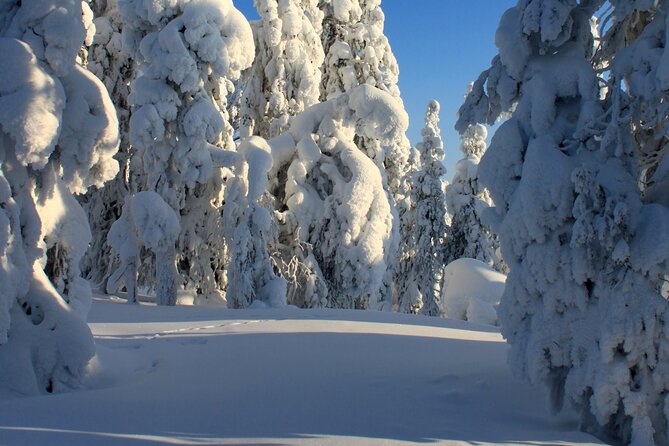
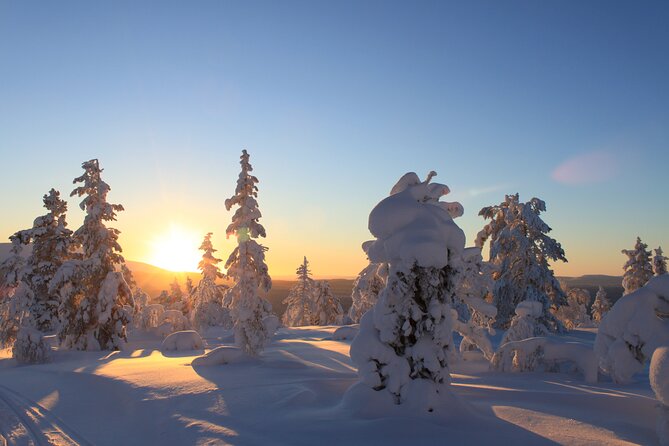
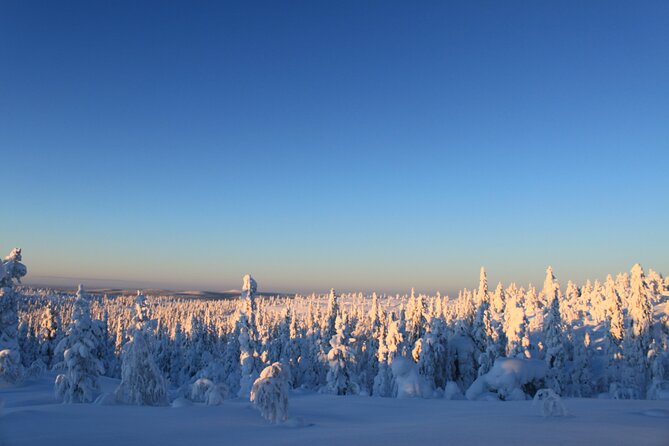
I also like that the tour does not oversell the forest. The point is to look closely, ask questions, and enjoy the quiet. On a clear day, low winter light can shine through the snowy trees, and on a less sunny day, the forest may feel subdued and hushed. Both conditions suit the activity.
Should you book Snowshoe in a Winter Forest?
Book this if you want an easy, personal introduction to Kiruna’s winter nature and you appreciate a guide who can connect wildlife with local culture. Anders appears to be the central strength of the experience, and the small group gives you a better chance to benefit from his explanations.
The $146.65 price is fair for the combination of transport, equipment, guiding, refreshments, and a group capped at eight, but it is high if you only want a short walk in the snow. Bring serious winter clothing, confirm your exact pickup point, and keep your expectations focused on tracks and interpretation rather than animal sightings.
For a quiet morning with a local feel, this is a strong choice. For a demanding snow adventure, choose something longer and more physical.
FAQ
Where does the snowshoe experience take place?
The activity takes place in the winter forest around Kiruna, Sweden, in Swedish Lapland.
How long is the tour?
The outing lasts approximately 2 hours and 30 minutes. The snowshoe route is about 2 to 2.5 kilometers long.
Is the snowshoe walk difficult?
The stated activity level is easy, and no particular snowshoeing skill is required. The tour is intended as a relaxed forest walk rather than a strenuous trek.
What equipment is included?
Snowshoes are included. A headlamp is also provided if needed.
Do I need to bring winter clothing?
Yes. The operator does not provide additional clothing, so you must dress for the weather and the outdoor activity.
What food and drink are included?
The activity includes hot homemade berry juice and a homemade traditional cookie called Kangoskaka.
Where is pickup available?
Pickup is offered from central Kiruna locations, including Camp Ripan, the Tourist Information point, and Hotel Scandic. Detailed pickup information also names Hotel Arctic Eden in the old town, so confirm your exact location and pickup time after booking.
Just added around Kiruna
- Wilderness Tour with Snowmobile & Ice Fishing★ 4.9 · 28 reviews
- Half day Wildlife and Nature Photography★ 5.0 · 6 reviews
- Snowshoe up a Mountain★ 5.0 · 19 reviews
- Discover Kiruna: A Walk Through History and Nature★ 4.0 · 3 reviews
- Northern Light Photo tour★ 4.5 · 18 reviews
- Snowmobile Safari to Lapland viewpoint★ 5.0 · 7 reviews
- Guided Northern Lights Tour at Kiruna★ 3.5 · 28 reviews
- Arctic Adventure with Reindeer and Northern Lights Hunt 18:30 pm★ 4.5 · 20 reviews