
Reviewed · ICE SKATING EXPERIENCES
Beginner friendly Nordic Ice Skating On lakes in Stockholm
The best part of this Stockholm day is the chance to skate far beyond a city rink, on natural ice chosen for its conditions the day before. You travel by minibus from Södermalm, learn the basics, and spend several hours moving across a frozen lake or stretch of Baltic Sea with a small group and a local guide.
I like the small maximum group of eight, which gives the guide room to watch your technique and keep the pace sensible. I also like that lunch, Swedish fika, transport, and a full Nordic safety kit are included, so you do not need to build this outing piece by piece.
The main caution is the word beginner. You do not need to be an expert, but Nordic skates are not ordinary rink skates, and one French-language review found the outing much more athletic than expected. The ice may also be replaced by a prepared natural-ice rink or a winter hike if conditions are unsafe.
In This Review
- Key points to know before you book
- From Tideliusgatan to the day’s best ice
- Gearing up with more than just skates
- The safety briefing and first strokes
- Several hours on a Swedish lake or the Baltic Sea
- Fika by the shore and a warm lunch
- What to wear for seven hours outdoors
- The $205.37 price and what it covers
- Who will enjoy this most
- Booking details that matter
- Should you book The Green Trails skating day?
- FAQ
- Where does the Nordic ice skating tour start?
- Where does the activity end?
- How long does the experience last?
- Is transport included?
- What equipment is included?
- What clothing should I bring?
- Do I need to provide my shoe size?
- Is natural ice guaranteed?
- What is the cancellation policy?
Key points to know before you book
- Natural ice is chosen the day before: The exact lake or Baltic Sea location depends on ice and weather conditions.
- Nordic skates feel different: The boots attach more like cross-country ski equipment than standard figure or hockey skates.
- A full safety setup is supplied: You receive skates, boots, poles, ice picks, backpack, helmet, and protective pads.
- Food is part of the day: A warm lunch and Swedish fika with a hot drink and snack are included.
- You need proper winter clothing: Bring a hat, gloves, warm socks, and several layers. Cotton and jeans are poor choices.
- The plan can change for safety: Unsafe ice may mean a winter hike or a prepared rink instead of open natural ice.
From Tideliusgatan to the day’s best ice
Your day begins at Tideliusgatan 62, 118 69 Stockholm, a centrally located meeting point near public transport. From there, The Green Trails takes the group by minibus to the best available ice around Stockholm. The exact destination is not fixed in advance because safe natural ice can change quickly.
That uncertainty is part of the appeal and part of the bargain. You are not being taken to one guaranteed lake with a fixed route. Instead, the guide checks conditions and chooses the place that makes sense for that particular day. In practical terms, you should treat the destination as a weather-dependent surprise, not a promised landmark.
The minibus ride matters more than it may first seem. Stockholm has plenty of frozen water around it, but the best skating is not always beside the city center. Transport saves you from arranging public transit, carrying bulky gear through town, and guessing which ice is safe.
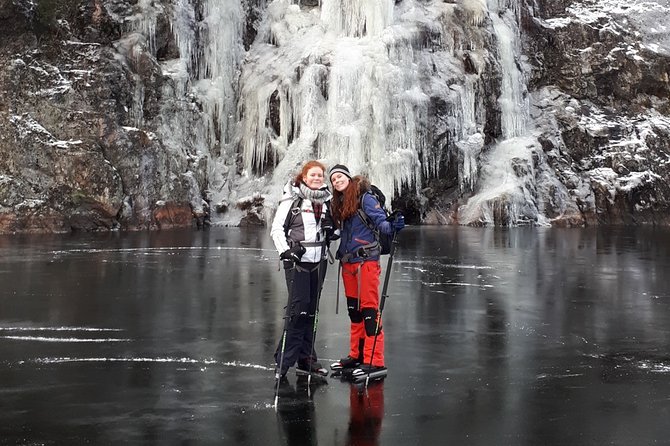
The group is limited to eight people. That is a good size for a winter activity where the guide needs to explain equipment, watch ice behavior, and keep everyone together. The tour is offered in English, and guides include Jonathan and, on some departures, a friendly French-speaking guide.
More ice skating experiences in Stockholm:
- Stockholm: Ice Skating in the Moonlight with Hot Chocolate
★ 4.8 · 92 reviews - Introduction to Ice Skating on Natural Ice in Stockholm
★ 4.5 · 41 reviews - Stockholm: Family Friendly Private Ice Skating Tour & Lunch
★ 5.0 · 14 reviews
Gearing up with more than just skates
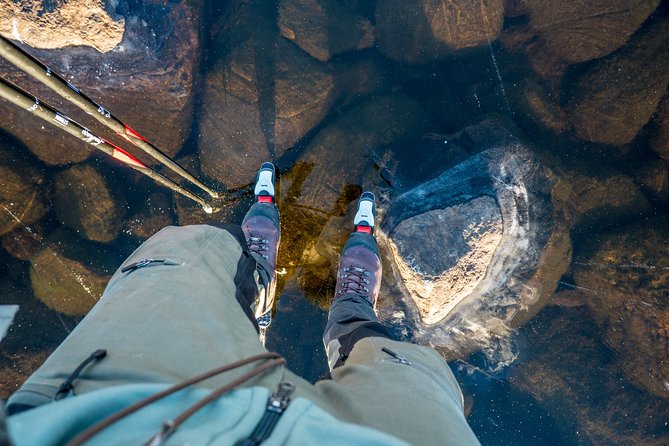
At the base camp, you receive the equipment needed for Nordic skating. That includes skates and boots, poles, ice picks, a safety backpack, helmet, and protective pads. The equipment is from established outdoor brands, and you are asked to email your EU shoe size in advance, from 37 through 46, so the right gear can be prepared.
Nordic skates are built for distance rather than tight turns. The boots attach to the blades in a way similar to cross-country ski bindings, and the longer blades are made for natural ice. If your experience is limited to a neighborhood rink, expect a short adjustment period.
The poles help with balance and rhythm, especially on uneven natural ice. The safety backpack and ice picks are not decorative extras. They are part of the standard setup for skating on frozen water and add weight you will carry throughout the outing. One important practical point from the feedback is that the backpack can feel heavy over several hours.
The equipment helps make the activity possible, but it does not remove the physical work. You will be standing, balancing, pushing, and carrying gear for much of the day. Most people can participate, but the outing suits someone with reasonable fitness and an appetite for an active winter day better than someone seeking a gentle sightseeing trip.
The safety briefing and first strokes
Before skating, the guide gives an easy safety briefing. This is an important transition, because natural ice is not a smooth indoor floor. You need to understand how to use the picks and backpack, how to move with the group, and how the guide will handle the day’s conditions.
The briefing should also give you time to ask about the skates. If you feel unstable at first, do not treat that as failure. Nordic equipment behaves differently from ordinary rink skates, and the first part of the outing is where you learn how the boots, blades, and poles work together.
The tour is described as beginner friendly, but that label needs a careful reading. It means the guide supplies instruction and equipment for newcomers. It does not mean the day is effortless or that you can remain comfortable after only a few minutes of skating.
You should be reasonably at ease with physical activity and ready to learn a new skating style. If you already skate comfortably, you will probably spend less time thinking about your feet and more time enjoying the open ice. If you are nervous on skates, the long duration and heavy pack could make the day tiring.
Several hours on a Swedish lake or the Baltic Sea
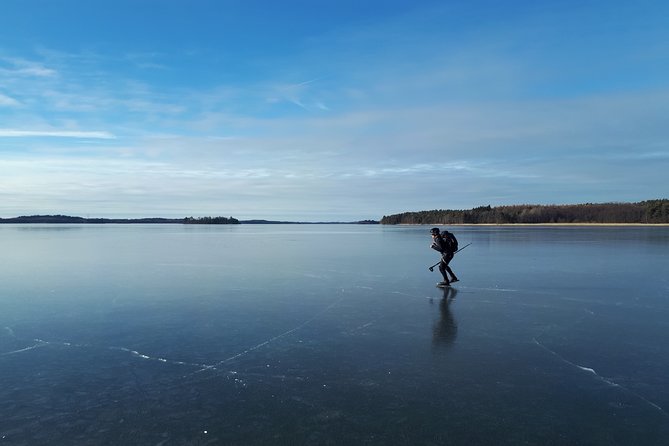
Once everyone is ready, the guide leads the group onto natural ice if conditions allow. The exact route depends on the lake or Baltic Sea area selected that day. This is the point of choosing a specialist outing rather than simply renting rink skates in central Stockholm: you get open space, changing scenery, and the quiet sensation of traveling across frozen water.
The experience is active rather than sightseeing from a bus. You will skate for a few hours, with the guide setting the pace and managing breaks. The wide setting gives the outing a strong sense of distance from Stockholm, even though the city is the starting point and endpoint.
The most memorable detail is likely the feeling of being far from the shore. One participant described that part as impressive, but also made clear that the trip felt more like a sporting outing than a casual introduction. That is useful guidance. You should book this for the physical challenge and the setting, not only for a quick photo on ice.
Natural ice also has limits. Weather and ice safety are outside the operator’s control, and there is no absolute ice guarantee. If the ice is unsafe, the day will most likely become a winter hike. Another possible alternative is a prepared natural-ice rink about 15 minutes outside Stockholm, rather than open lake or sea ice.
That alternative protects the core activity, but it can change the value for you. A prepared rink may feel less adventurous, especially if you expected hours of skating across a wild frozen lake. On the other hand, it gives you a safer place to use the equipment when open ice is not suitable. The provider notes that during the previous winter season, every excursion still allowed skating, but conditions can never be promised.
Same city, a completely different kind of day:
- Stockholm: City Archipelago Sightseeing Cruise with Guide
★ 4.3 · 10,798 reviews - Stockholm: Skansen Open-Air Museum Admission Ticket
★ 4.5 · 3,427 reviews - Stockholm: Archipelago Boat Tour
★ 4.4 · 3,110 reviews - Stockholm: Highlights Boat Tour
★ 4.3 · 2,542 reviews
Fika by the shore and a warm lunch
The day is not one long push across the ice. The guide includes fika breaks on shore, with a hot drink and snack. Fika is a small but important part of Swedish daily life: a pause to warm up, eat something, and talk before continuing.
That break gives your legs a rest and helps you manage the cold. It also keeps the outing from feeling like a timed athletic test. After skating in the open air, a hot drink on shore is exactly the sort of simple comfort that makes a winter activity work.
A warm lunch is included too. The supplied details do not specify the menu, so you should not book this expecting a particular dish or dietary arrangement unless you confirm it directly. Still, having lunch built into a seven-hour outing is a real benefit. You do not need to leave the route to find food, and you can keep your attention on the day.
Food does not turn the activity into a relaxed picnic. You will still need to bring the right clothing and be prepared to continue skating afterward. Think of lunch and fika as useful fuel and warmth, not as long restaurant stops.
What to wear for seven hours outdoors
Your clothing is not included, and this is one area where preparation will affect your comfort more than almost anything else. Bring a warm hat or beanie, gloves, and one pair of warm socks. Wear layers rather than one very thick outfit.
Downhill ski pants and jackets are suitable. Thick running tights with wool long underwear underneath can also work. Avoid cotton, including jeans and cotton T-shirts, because it holds moisture and becomes cold during an active day outdoors.
A practical clothing plan includes:
- A moisture-managing base layer
- A warm middle layer
- A weather-resistant outer jacket
- Ski pants or similar winter trousers
- Warm socks, with room for the supplied boots
- Gloves and a hat or beanie
Do not overpack your feet. One warm pair of socks is specifically recommended, and crowded boots can restrict circulation. You should also email your EU shoe size before the tour so the equipment team can prepare your boots.
The $205.37 price and what it covers
At $205.37 per person, this is not a cheap way to spend a winter day. The price makes more sense when you count the parts separately: a professional guide, minibus transport, Nordic skates and boots, poles, ice picks, safety backpack, helmet, protective pads, fika, and warm lunch.
You are also paying for judgment. The guide chooses the ice location based on conditions, rather than sending you to a fixed spot regardless of the weather. That decision-making is central to the experience, especially for anyone who is unfamiliar with Swedish ice.
The value is strongest if you want a complete, guided outing and do not own winter skating equipment. It is weaker if you mainly want to skate in circles for a few hours. A prepared rink alternative can feel expensive if you could have rented skates and entered a rink independently for much less.
The price also covers convenience. You meet in Stockholm, travel together, use prepared equipment, eat lunch, and return to the same point after about seven hours. For an active day outside the city, that all-in format can be easier than arranging each piece yourself.
Who will enjoy this most
I would recommend the tour to you if you want a physically active winter experience and like the idea of skating in a natural setting without having to assess the ice yourself. It is a strong fit for people who enjoy outdoor excursions, can manage several hours of activity, and do not mind that the destination depends on conditions.
It also works well for visitors who want a break from Stockholm’s streets and museums. The city remains the base, but most of the day is spent away from its noise and buildings.
I would hesitate if you have never skated and are hoping for a very gentle lesson. The guide can help you get started, but the equipment is different from rink skates, the safety backpack adds weight, and the day is long. If you are uncomfortable with skating or have limited fitness, a short rink session may be a better first step.
I would also think carefully if the open-lake setting is the whole reason you are booking. There is no ice guarantee. A hike or prepared rink may be the safe replacement, and that possibility should be acceptable before you pay.
Booking details that matter
The experience is usually booked around 35 days in advance and can sell out. That suggests you should not leave it until the last minute if natural ice skating is a key part of your Stockholm plans.
You receive confirmation at booking, and the activity begins and ends at Tideliusgatan 62. It is offered in English, with guides such as Jonathan leading departures. The tour has a maximum of eight participants, and most people can take part.
Free cancellation is available if you cancel at least 24 hours before the start time. Cancellations or changes made less than 24 hours before the start are not refunded or accepted. The cut-off follows local Stockholm time, so check the time carefully if you are changing plans from another country.
Should you book The Green Trails skating day?
Book it if you want the full package: natural ice when conditions permit, Nordic equipment, a local guide, transport, lunch, and fika. The small group and careful choice of skating site add real value, and the open-water setting can provide a memorable contrast to central Stockholm.
Do not book it expecting a guaranteed lake, an easy rink lesson, or a low-cost skate rental. The strongest warning is simple: beginner equipment does not make a seven-hour outdoor outing effortless. Bring proper layers, accept that the plan can change, and be ready for a workout.
For an active visitor who wants to experience Swedish winter outside the city, this is a well-equipped and thoughtfully planned choice. For a casual skater seeking a few easy laps, spend your money elsewhere.
FAQ
Where does the Nordic ice skating tour start?
It starts at Tideliusgatan 62, 118 69 Stockholm, Sweden.
Where does the activity end?
The activity ends back at the meeting point on Tideliusgatan 62.
How long does the experience last?
The experience lasts approximately seven hours.
Is transport included?
Yes. A minibus takes you from the meeting point to the frozen lake or Baltic Sea ice and returns you to the meeting point.
What equipment is included?
The tour includes Nordic skates, boots, poles, ice picks, a safety backpack, helmet, and protective pads.
What clothing should I bring?
Bring winter clothing, including a hat or beanie, gloves, and one pair of warm socks. Wear layers, and avoid cotton clothing such as jeans and cotton T-shirts.
Do I need to provide my shoe size?
Yes. You should email your EU shoe size, from 37 through 46, so the equipment can be prepared before the tour.
Is natural ice guaranteed?
No. Weather and ice conditions cannot be guaranteed. If the ice is unsafe, a winter hike will most likely take place, although a prepared natural-ice rink may also be used.
What is the cancellation policy?
You can cancel at least 24 hours before the start time for a full refund. Cancellations or changes made less than 24 hours before the start are not refunded or accepted.
Just added around Stockholm
- World War II Stockholm Old Town Walking Tour and Army Museum★ 4.6 · 4 reviews
- Stockholm: Archipelago Guided Boat & Walking Tour of Vaxholm★ 3.1 · 23 reviews
- Stockholm: Underground Metro Art Ride with a Local Guide★ 4.6 · 39 reviews
- Vaxholm & Stockholm Archipelago: Guided Excursion, Day Trip★ 4.8 · 41 reviews
- Wolf and Wildlife Tracking in Sweden★ 5.0 · 9 reviews
- Scandinavian Art, Architecture and Design Tour in Stockholm★ 4.5 · 11 reviews
- Private Tour: Swedish History Day Trip to World Heritage Candidate Markim-Orkesta from Stockholm★ 5.0 · 8 reviews
- Walking Tour of Stockholm’s City Center★ 4.5 · 26 reviews
Ice Skating Experiences, compared.
Ice Skating in the Moonlight with Hot Chocolate
Read our review →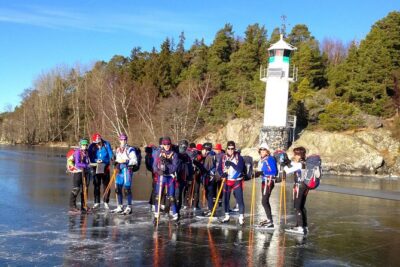
Introduction to Ice Skating on Natural Ice in Stockholm
Read our review →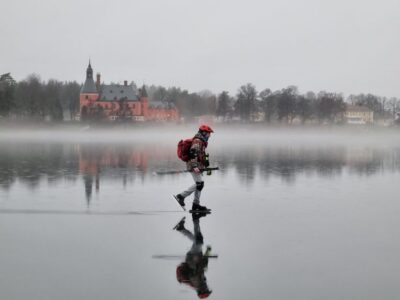
Family Friendly Private Ice Skating Tour & Lunch
Read our review →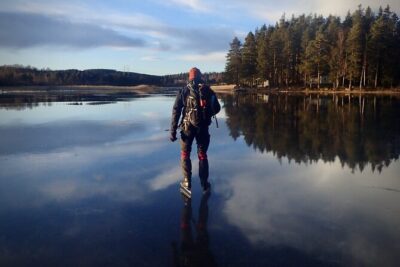
Nordic Ice Skating on a Frozen Lake in Stockholm
Read our review →Browse the lists this tour appears in