
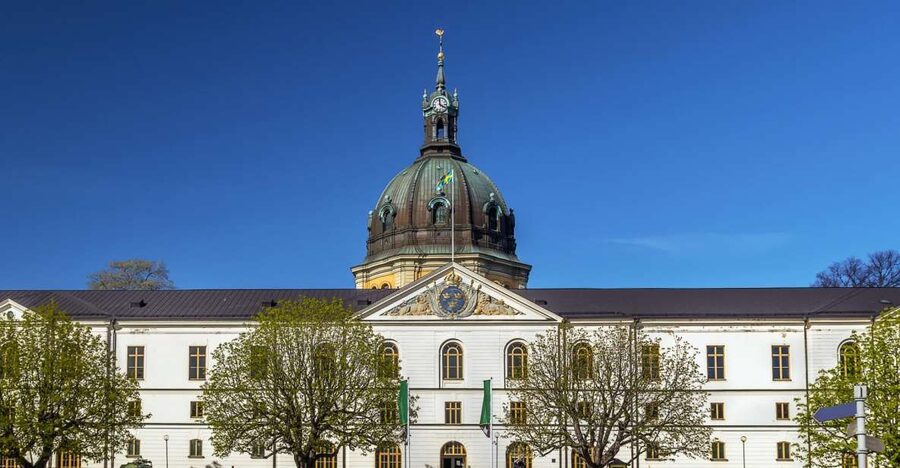
Reviewed · MUSEUMS
World War II Stockholm Old Town Walking Tour and Army Museum
Sweden’s World War II story is full of uncomfortable questions. How did neutrality protect the country, and how did it also help Germany? What happened to Jewish refugees from occupied Denmark and Norway? This private tour tackles those issues while leading you through Gamla Stan, past the Royal Palace, Parliament House, churches, and wartime memorials.
I like the way the tour links grand political choices to real people, especially Raoul Wallenberg and his effort to save tens of thousands of Jewish people. I also like having two clear choices: a focused two-hour Old Town walk, or a three-hour version that adds the Army Museum and its 500 years of Swedish military history.
The main drawback is the price, $205 per person, which is a serious outlay for two or three hours. It makes the most sense for history-minded visitors who want a private guide and can share the cost with a small group, rather than for anyone simply seeking a quick introduction to Stockholm.
In This Review
- Key points at a glance
- Why Sweden’s World War II story deserves a walk
- Meeting the guide at Riddarhustorget
- Gamla Stan as a wartime classroom
- The Remembrance Path and Raoul Wallenberg
- Soviet bombings and the wider Scandinavian war
- Choosing between two hours and three
- What makes the private guide worthwhile
- Practical advice before you book
- Who should book this Stockholm WWII tour?
- Should you book it?
- FAQ
- Where does the World War II Stockholm tour begin?
- How long does the tour last?
- Is the Army Museum included in the two-hour tour?
- What languages are available?
- Is the tour private?
- Can I cancel or pay later?
Key points at a glance
- Swedish neutrality under pressure: Learn how Sweden’s political decisions, foreign trade, and relations with Germany changed during the war.
- Raoul Wallenberg’s rescue work: Follow the Remembrance Path in Berzelii Park and hear how Wallenberg helped Jewish people escape the Holocaust.
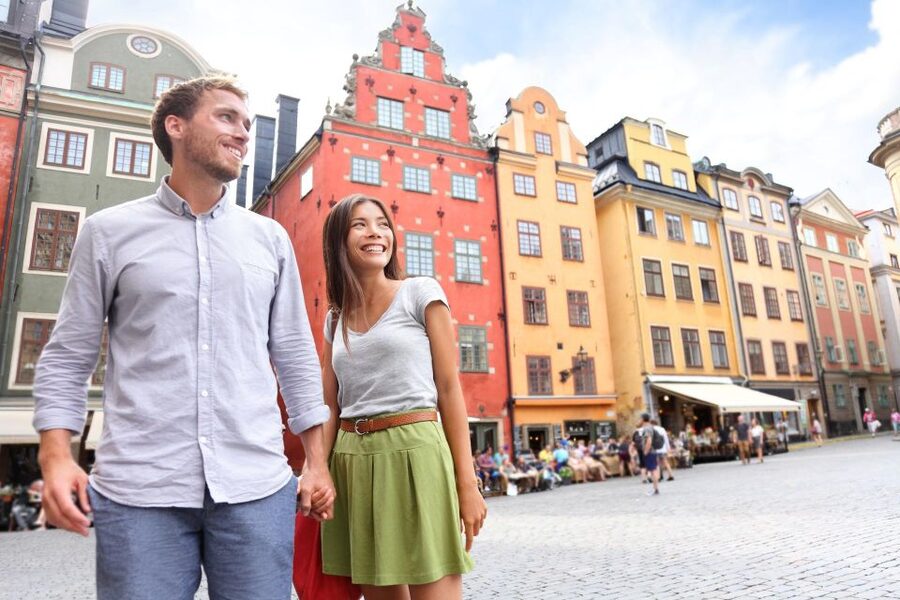
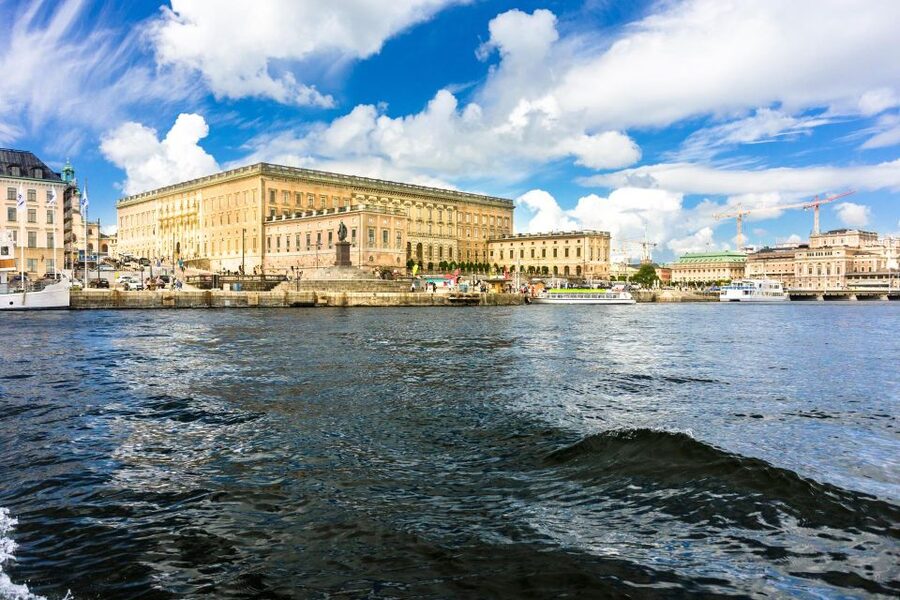
- Old Town landmarks with wartime context: See the Royal Palace, Storkyrkan, Parliament House, and monuments connected to war and remembrance.
- Soviet bombings and Scandinavian politics: The tour covers the impact of the conflict on Sweden and the wider region, including the occupation of Denmark and Norway.
- Army Museum option: The three-hour tour includes displays of military uniforms, weapons, documents, trophies, and everyday life during more than 500 years of Swedish military history.
- Private multilingual format: You can request a guide in English, Swedish, German, Italian, French, Spanish, or Russian.
Why Sweden’s World War II story deserves a walk
Sweden is often reduced to one word in World War II discussions: neutral. That label is tidy, but the reality was not. Neutrality shaped domestic politics, trade, diplomacy, refugee policy, and Sweden’s relationship with both Germany and the Soviet Union.
This tour gives you a way to examine those choices on the ground. You are not only sitting through a general lecture about the war. You are walking through the capital’s political and royal center while your guide explains how events in Scandinavia affected Swedish life.
The subject is especially useful if you already know the broad outline of the war but have less sense of northern Europe. Denmark and Norway were occupied by Germany, and Sweden had to make difficult decisions while surrounded by nations caught in the conflict. The tour also addresses how Swedish neutrality could offer protection while still aiding German interests through foreign trade.
That balance is the heart of the experience. You will hear about government policy, but also about the responses of the royal family, the church, and ordinary people. The result should feel less like a simple story of good choices and bad choices, and more like an examination of a country trying to survive a dangerous war.
A few more Stockholm trips to weigh up
- Stockholm: Skansen Open-Air Museum Admission Ticket
★ 4.5 · 3,427 reviews - Stockholm Pass: Save up to 50% – Includes Vasa Museum Ticket
★ 4.1 · 2,392 reviews - Stockholm: Nobel Prize Museum and Exhibition Entry Ticket
★ 4.3 · 994 reviews
Meeting the guide at Riddarhustorget
The tour begins in front of the Lars Johan Hierta Monument at Riddarhustorget 9. Hierta was a Swedish journalist associated with the development of free press in Sweden, so the meeting point offers a fitting first lesson: war affects not only armies and borders, but also newspapers, public debate, and the freedom to speak.
Give yourself enough time to locate the monument. The tour is private, and the guide will meet you there, but the supplied information does not name individual guides. Your guide is a licensed professional who speaks your selected language. Available languages include English, Swedish, German, Italian, French, Spanish, and Russian.
The private format matters here. World War II in Scandinavia involves political terms, names, and moral questions that can be easy to lose in a large group. With one guide for up to 25 guests, you can ask direct questions and steer some of the discussion toward the topics that matter most to you.
If the booking requires more than 25 people, additional guides are used, with one guide for each group of up to 25. That can increase the price, so check the group size before booking. For a couple or a small family group, the private arrangement is a major part of what you are paying for.
Gamla Stan as a wartime classroom

Stockholm’s Old Town is a practical place for this subject because several important institutions are close together. The guide uses the streets and landmarks of Gamla Stan to explain the Swedish royal family, government, church, and political climate during the war.
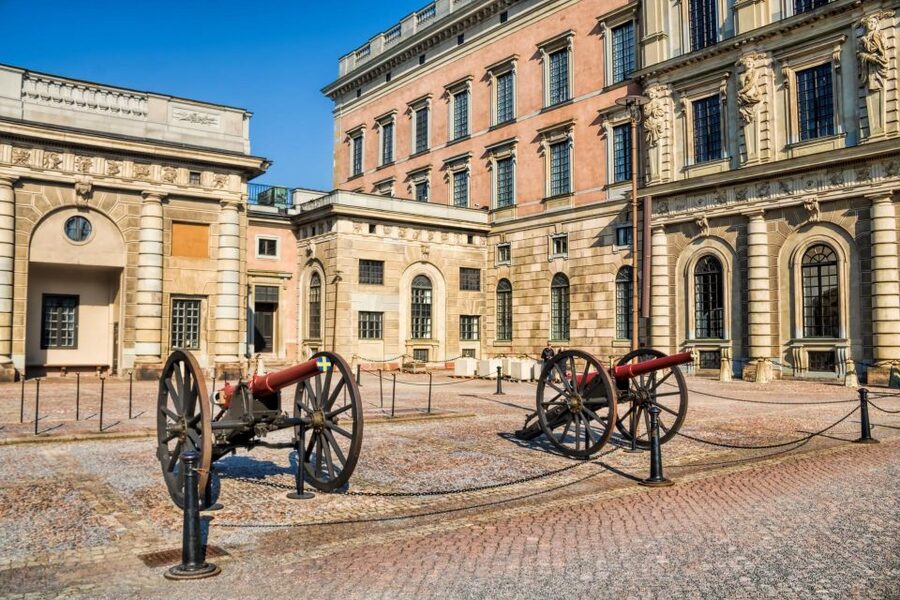
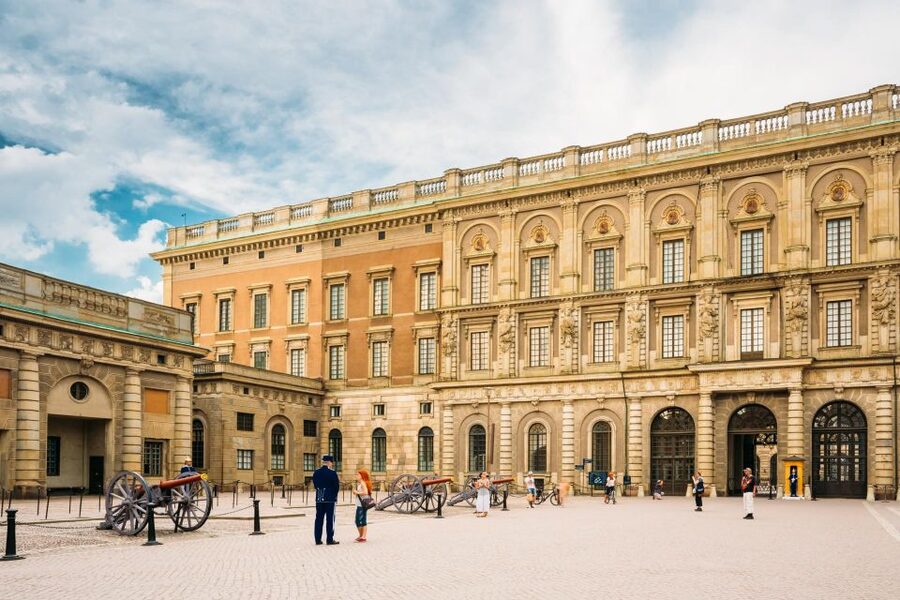
The Royal Palace gives the discussion a royal and national focus. You will learn about the responses of Sweden’s royal family as the conflict developed, while the guide places those decisions within the pressure created by the war in neighboring countries.
At Parliament House, the emphasis shifts toward government and political choices. This is where questions about neutrality become more concrete. Neutrality was not simply an absence of action. It involved decisions about foreign trade, diplomacy, domestic politics, and how Sweden would respond to events beyond its borders.
Storkyrkan, Stockholm’s cathedral, adds the role of the church. The tour looks at how religious and civic institutions responded to the crisis. You will not simply be ticking off famous buildings. Each stop is used to explain a different part of Sweden’s wartime position.
The walk also considers the influence of World War II on the Nobel Prize awards. That may seem like a side topic, but it helps show how the war reached into Sweden’s cultural and international life, not only its military and political affairs.
Gamla Stan is an active historic district, so you should expect regular street activity and an urban walking setting. The route is wheelchair accessible, but you may still want to confirm the practical route details when booking if you need a particular level of assistance.
The Remembrance Path and Raoul Wallenberg
The emotional center of the walking tour is the Remembrance Path in Berzelii Park. Here the subject moves from state policy to personal courage and humanitarian action.
The guide tells the story of Raoul Wallenberg, the Swedish diplomat who worked to save Jewish people from the Holocaust. His effort to rescue tens of thousands of people gives the tour a human scale. Instead of thinking only about Sweden as a neutral state, you begin to consider the decisions made by individuals when governments failed or hesitated.
The tour also covers the rescue of Jewish refugees escaping the German occupation of Denmark and Norway. The focus is not limited to Sweden’s official position. You will hear about the humanitarian effort surrounding refugees and the question of whether Jewish people seeking safety were welcomed.
This section should appeal to you if you want a history tour that addresses moral choices directly. It is also the part most likely to stay with you after the walk, because Wallenberg’s actions connect a Stockholm location with one of the darkest and most urgent stories of the twentieth century.
Keep in mind that the activity lasts only two or three hours. You will receive an interpretive overview rather than a full academic study of Wallenberg, Swedish refugee policy, or the Holocaust. If you want extensive museum time or detailed archival discussion, choose the longer option and consider adding a separate museum visit elsewhere in your Stockholm plans.
Same city, a completely different kind of day:
- Stockholm: City Archipelago Sightseeing Cruise with Guide
★ 4.3 · 10,798 reviews - Stockholm: Archipelago Boat Tour
★ 4.4 · 3,110 reviews - Stockholm: Highlights Boat Tour
★ 4.3 · 2,542 reviews - Stockholm: Ghost Walk and Historical Tour
★ 4.7 · 2,206 reviews
Soviet bombings and the wider Scandinavian war
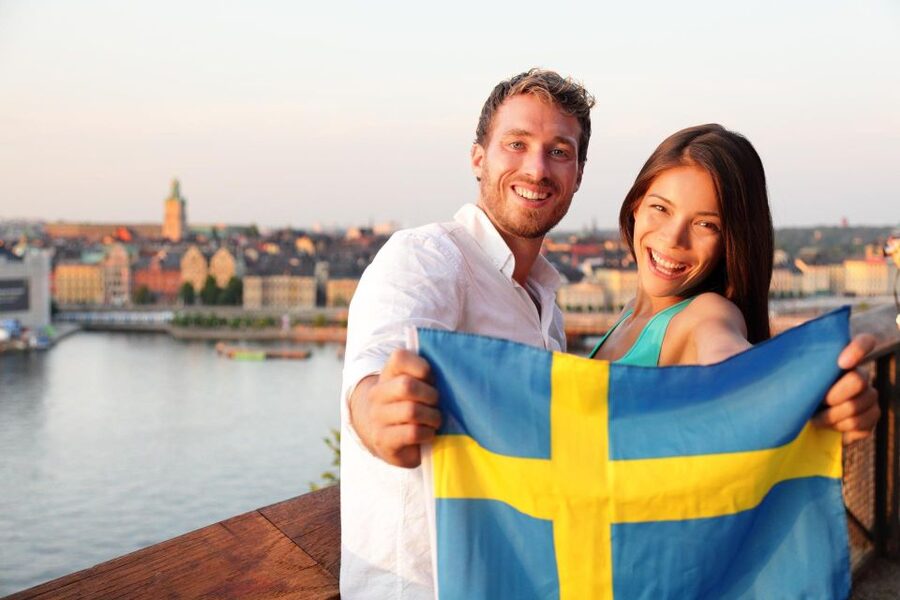
Sweden’s neutrality did not mean the country was untouched by the fighting. The tour includes the Soviet bombings of Sweden and explains how the war affected the country at home.
This is an important part of the experience because it prevents the story from becoming too centered on German policy. Sweden had to respond to pressure from more than one direction, and the guide places the country within the wider Scandinavian conflict.
You will also hear about the occupation of Denmark and Norway and the way those events shaped Sweden’s humanitarian role. The story of Operation Save Denmark is another key part of the tour. Together, these subjects help you see why Sweden’s position was so complicated.
The guide’s job is especially valuable here. Dates and political labels can blur together when you study Scandinavian history on your own. Walking through Stockholm while hearing how nearby countries were occupied gives those events a clearer geographic frame.
Choosing between two hours and three
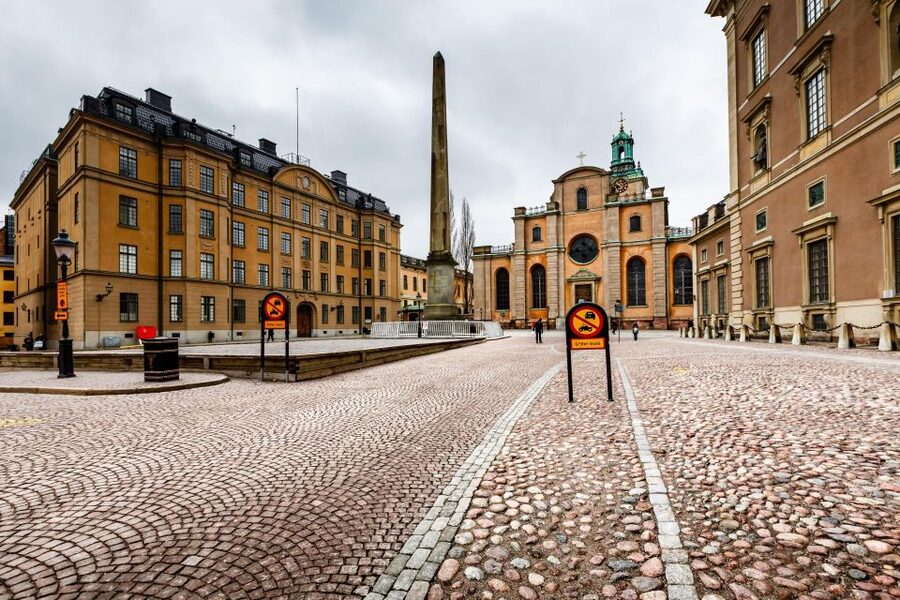
The two-hour version is the better choice if you want a concentrated walk through Gamla Stan. It includes the World War II themed route, monuments connected to World War II and the Holocaust, and the major political and religious landmarks discussed above.
Choose two hours if you have limited time in Stockholm, prefer walking to museum interiors, or mainly want the stories of Swedish neutrality and Raoul Wallenberg. It is also the sensible option if $205 per person already stretches your budget.
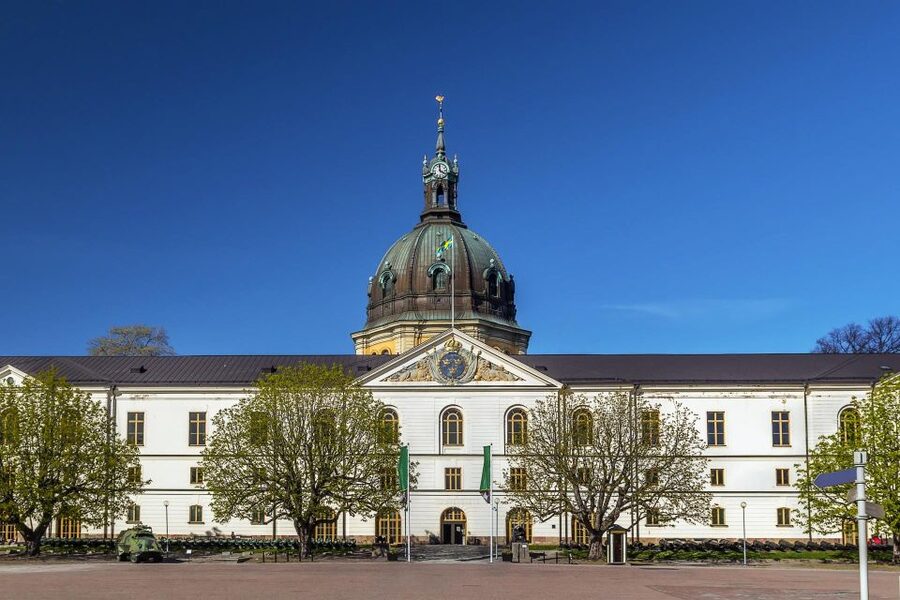
The three-hour version includes entry to the Army Museum. That extra hour changes the experience from a city walk into a broader study of Swedish military life. You can examine more than 500 years of wartime and peacetime history, with attention to soldiers, their families, and the general population.
The Army Museum displays historical documents, military uniforms, weapons, and trophies. One exhibition is dedicated to Raoul Wallenberg, making the museum a useful follow-up to the Remembrance Path.
The longer tour is best for serious history fans, especially if you want to compare Sweden’s wartime neutrality with its longer military past. It also gives you more indoor time, which can be useful during poor weather.
Do not assume the Army Museum is included in the shorter booking. It is included only with the three-hour option. The stated price for the experience is $205 per person, and the exact value depends heavily on your group size, language, and choice of duration. For a private group splitting the guide cost, it can be reasonable. For one or two people, it is a premium experience.
What makes the private guide worthwhile
A private tour is not automatically better than a group tour, but this subject benefits from conversation. The guide can explain why Swedish neutrality changed over the course of the war, clarify the difference between official policy and humanitarian action, and respond to your questions about Germany, the Soviet Union, Denmark, Norway, or Wallenberg.
The tour is offered with a five-star licensed guide in your chosen language. Since no individual guide names are provided, you should not book expecting a particular person. Instead, choose the language that will let you follow political and historical details with the least effort.
The guide also helps connect separate parts of Stockholm. The Lars Johan Hierta Monument introduces free press. The palace points to the monarchy. Parliament House brings in government. Storkyrkan adds the church. Berzelii Park and its Remembrance Path focus on Holocaust remembrance and rescue work.
That structure gives the walk a clear rhythm. You move from public institutions to private courage, from neutrality to humanitarian action, and from broad policy to individual lives.
Practical advice before you book
Plan on two to three hours of walking, with the Army Museum added in the longer option. Wear comfortable shoes and keep your schedule slightly open around the tour, since the walk includes several stops and the museum option adds a separate block of indoor exploration.
Check your email 24 hours before the start. Important meeting information is sent then, and the meeting point is in front of the Lars Johan Hierta Monument at Riddarhustorget 9.
The activity is wheelchair accessible. If you use a wheelchair, contact the provider ahead of time if you need specific route information, since the tour combines city streets, outdoor monuments, and the museum visit.
The tour is available with free cancellation up to 24 hours before the start, and you can reserve now and pay later. Those terms are useful if your Stockholm schedule is still changing, but they do not reduce the main cost question: $205 per person is best justified by the private format and the depth of the subject, not by the length alone.
Who should book this Stockholm WWII tour?
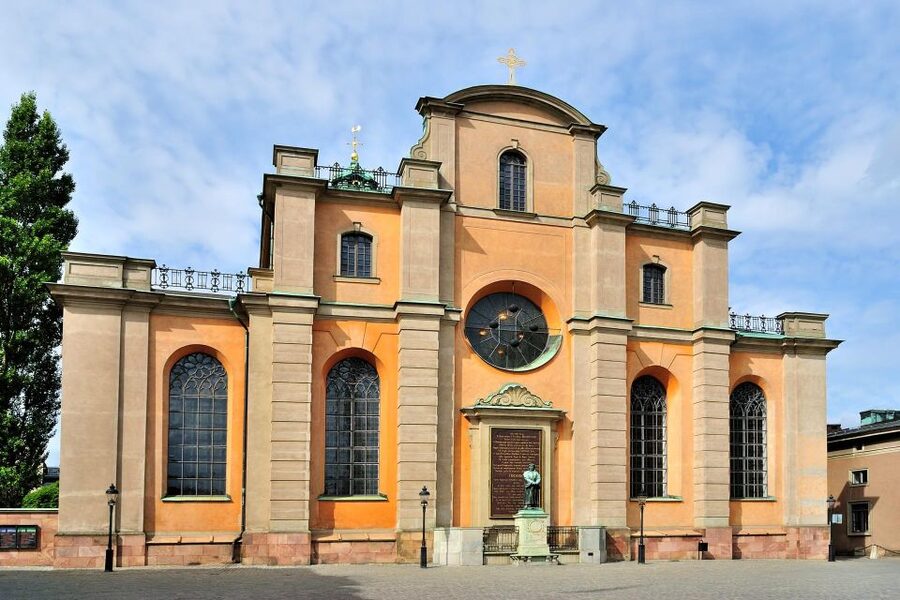
I would recommend it most strongly to visitors who already enjoy political history, Holocaust remembrance, diplomacy, or military museums. It is also a good fit if you have seen Stockholm’s main sights and now want to understand the city’s role during a difficult period.
Families with older children and teenagers may appreciate the direct human story of Wallenberg, though the subject is serious. The private format lets a guide adjust the pace and answer questions without holding up a large group.
You may want to skip it if your main goal is a broad sightseeing tour of Stockholm. The Royal Palace, cathedral, Parliament House, and Old Town are present, but they serve as historical reference points rather than the main attraction.
I would also think twice if you are price-sensitive and traveling alone. A self-guided visit to the Old Town followed by a separate museum ticket could cost less, though it would not provide the same private explanation or connected wartime route.
Should you book it?
Book this experience if you want Stockholm history with a serious World War II focus, especially Swedish neutrality, Scandinavian politics, Jewish refugees, and Raoul Wallenberg. The two-hour walk offers the essential stories, while the three-hour version is the stronger choice for anyone who wants military objects and a dedicated Wallenberg exhibition.
At $205 per person, this is not a casual sightseeing bargain. It is a specialized private tour. I would choose it for a small group that values a guide’s time, wants a discussion in a preferred language, and would otherwise struggle to piece together Sweden’s complicated wartime role alone.
FAQ
Where does the World War II Stockholm tour begin?
The guide meets you in front of the Lars Johan Hierta Monument at Riddarhustorget 9, 111 28 Stockholm.
How long does the tour last?
You can choose a two-hour or three-hour version. The three-hour option includes the Army Museum.
Is the Army Museum included in the two-hour tour?
No. Army Museum admission is included only with the three-hour tour.
What languages are available?
The tour can be provided in German, Italian, French, Spanish, Russian, English, or Swedish.
Is the tour private?
Yes. It is a private group experience. One guide is used for groups of 1 to 25 people, with additional guides for larger groups.
Can I cancel or pay later?
You can cancel up to 24 hours before the tour for a full refund. You can also reserve your place and pay later.
Just added around Stockholm
- Stockholm: Archipelago Guided Boat & Walking Tour of Vaxholm★ 3.1 · 23 reviews
- Stockholm: Underground Metro Art Ride with a Local Guide★ 4.6 · 39 reviews
- Vaxholm & Stockholm Archipelago: Guided Excursion, Day Trip★ 4.8 · 41 reviews
- Wolf and Wildlife Tracking in Sweden★ 5.0 · 9 reviews
- Scandinavian Art, Architecture and Design Tour in Stockholm★ 4.5 · 11 reviews
- Private Tour: Swedish History Day Trip to World Heritage Candidate Markim-Orkesta from Stockholm★ 5.0 · 8 reviews
- Walking Tour of Stockholm’s City Center★ 4.5 · 26 reviews
- The Vasa Museum: From Depth to Royal Glory -Private Tour★ 4.5 · 13 reviews
Museums, compared.
Stockholm Pass: Save up to 50% – Includes Vasa Museum Ticket
Read our review →

Skip the Line: Disgusting Food Museum Entrance Ticket
Read our review →
Vasa Museum Guided Tour, Including Ticket & Guide
Read our review →
Browse the lists this tour appears in