
Reviewed · MUSEUMS
Stockholm: Skansen Open-Air Museum Admission Ticket
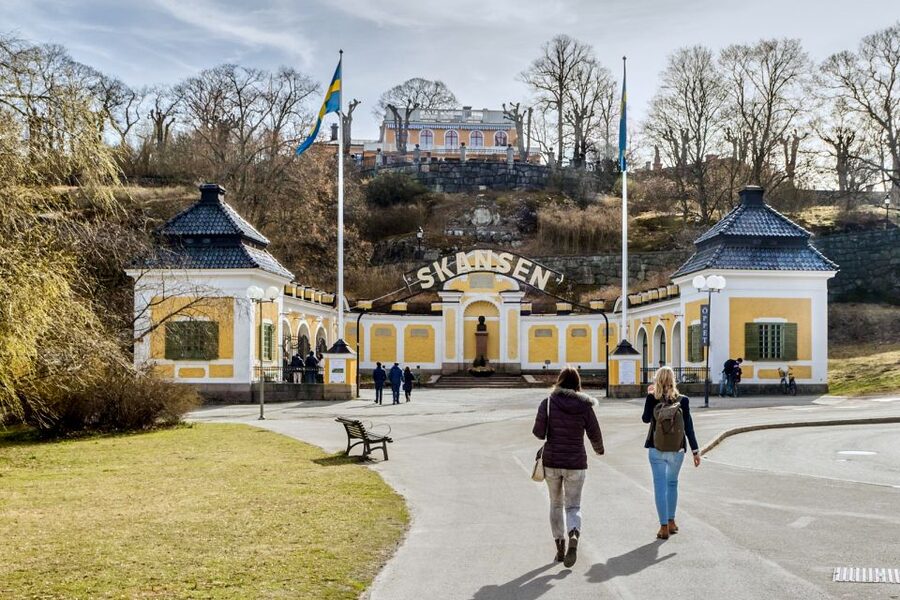
Skansen turns Swedish history into a walk through real buildings, working workshops, animal enclosures, and old-fashioned farmyards. You can move from a modest rural home to a town shop, watch traditional trades in action, then pause for views over Stockholm.
I like the range of original buildings, brought together from different parts of Sweden, and the chance to see animals such as moose, lynx, brown bears, reindeer, and wolverines. I also like how staff and costumed interpreters can make past work and customs easier to understand.
The main catch is size. Two hours is not enough for most people, and the grounds are hillier than you may expect. Some buildings, demonstrations, animal areas, or staff-led interiors may also close earlier or be unavailable in winter or on certain days.
In This Review
- Key points to know before you go
- Why Skansen is more than an old-building museum
- Begin with the historic homes and farmsteads
- Follow the paths to the Nordic animals
- Leave time for the aquarium and extra exhibits
- Use the views, shops, and restaurants as part of the visit
- Match your visit to the season
- Getting around the large, hilly grounds
- Is the $27 ticket good value?
- Who will enjoy Skansen most?
- My practical plan for a first visit
- Should you book Skansen?
- FAQ
- How long is the Skansen admission ticket valid?
- Can I arrive at a different time from my selected timeslot?
- What is included in the ticket?
- Is Skansen wheelchair accessible?
- Does Skansen have Nordic animals?
- Can children see domestic animals?
- Is the aquarium included?
- Does the funicular cost extra?
- Are restaurants available at Skansen?
- Can I cancel the booking?
Key points to know before you go
- Plan at least half a day: A full day makes sense if you want the historic buildings, animals, workshops, food, and views.
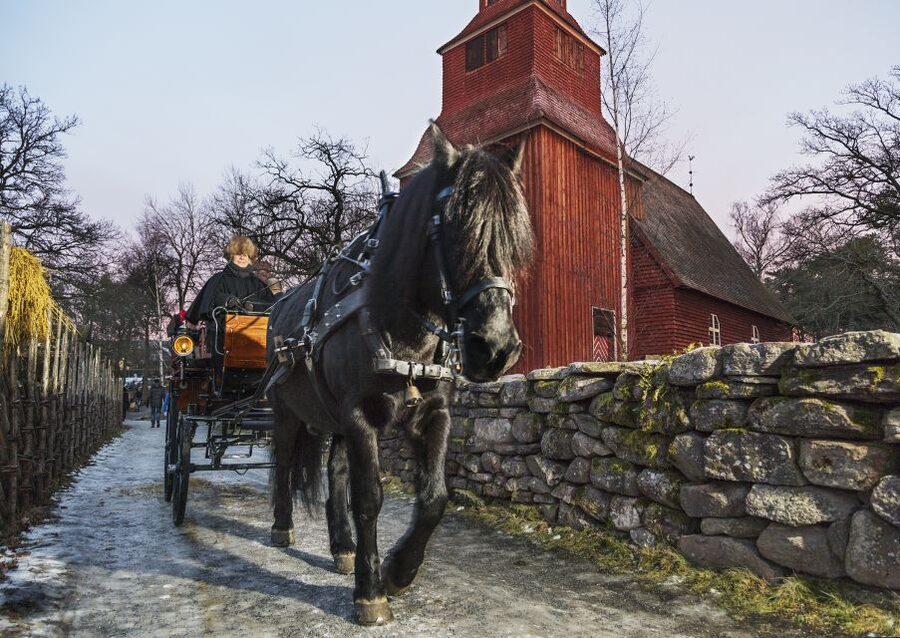
- See Sweden in one walk: Homes and farmsteads from around the country show how social conditions changed from the 16th century to the early 20th century.
- Nordic animals are a major draw: Moose, brown bears, lynx, reindeer, wolverines, seals, and domestic breeds are among the possible highlights.
- Expect some walking and hills: Comfortable shoes matter, and a funicular is available for an extra fee on the initial steep hill.
- Check seasonal programs: Christmas markets, Midsummer celebrations, demonstrations, and changing decorations can alter the feel of your visit.
- Budget for extras: Food and drinks are not included, and the aquarium or funicular may cost more depending on the current arrangement.
Why Skansen is more than an old-building museum
Skansen is often described as the world’s first open-air museum, and its appeal comes from the way it spreads Swedish life over a large outdoor site rather than keeping everything behind glass. You do not simply look at a farmhouse and read a paragraph about it. You walk through a house, see its tools and furnishings, and then continue to a yard, workshop, shop, or animal enclosure.
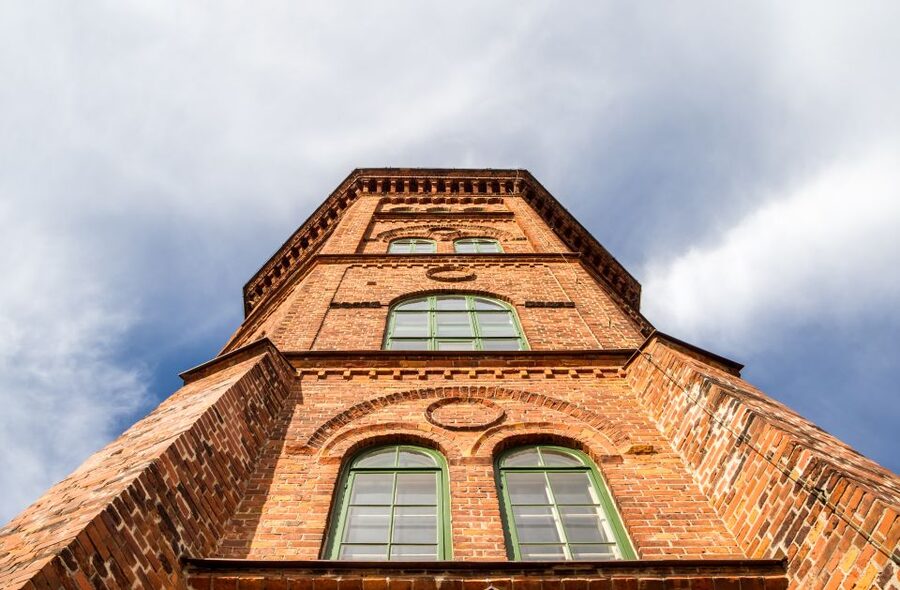
The museum presents as many as 150 historically interesting houses and farmsteads. They come from different parts of Sweden and represent changing ways of life from the 16th century through the first half of the 20th century.
That range gives you a useful sense of scale. A wealthy or well-established setting can feel very different from a simple rural home. The buildings help explain work, family life, seasonal chores, celebrations, and the social conditions that shaped everyday Sweden.
I find this more useful than a standard collection of objects because the setting gives each item a job. A tool is easier to understand when you see the kind of building where it was used. A kitchen feels more real when you can connect it with baking, household work, and the changing seasons.
A few more Stockholm trips to weigh up
- Stockholm Pass: Save up to 50% – Includes Vasa Museum Ticket
★ 4.1 · 2,392 reviews - Stockholm: Nobel Prize Museum and Exhibition Entry Ticket
★ 4.3 · 994 reviews - Stockholm: Fotografiska Museum Entrance Ticket
★ 4.5 · 702 reviews
Begin with the historic homes and farmsteads
Give yourself time at the start to walk slowly through the historic areas. The site is spread across a large park, and it is easy to rush from one building to the next without noticing how the homes, yards, paths, and work areas fit together.
Inside the buildings, signs explain what each place was used for and where it came from. Some interiors are presented as homes, while others show shops or workplaces. You may find traditional baking, printing, glassblowing, and other demonstrations during your visit.
These working displays are among Skansen’s best features because they connect history with human skill. One hands-on demonstration has allowed visitors to make a bookmark at the printers. Glassblowing and baking have also been particular highlights, especially if you want something more active than reading labels.
The demonstrations are not guaranteed at every hour. Staff working inside the houses may leave around 3 p.m., even when parts of the park remain open later. If a particular trade matters to you, arrive earlier rather than treating the museum as an afternoon-only stop.
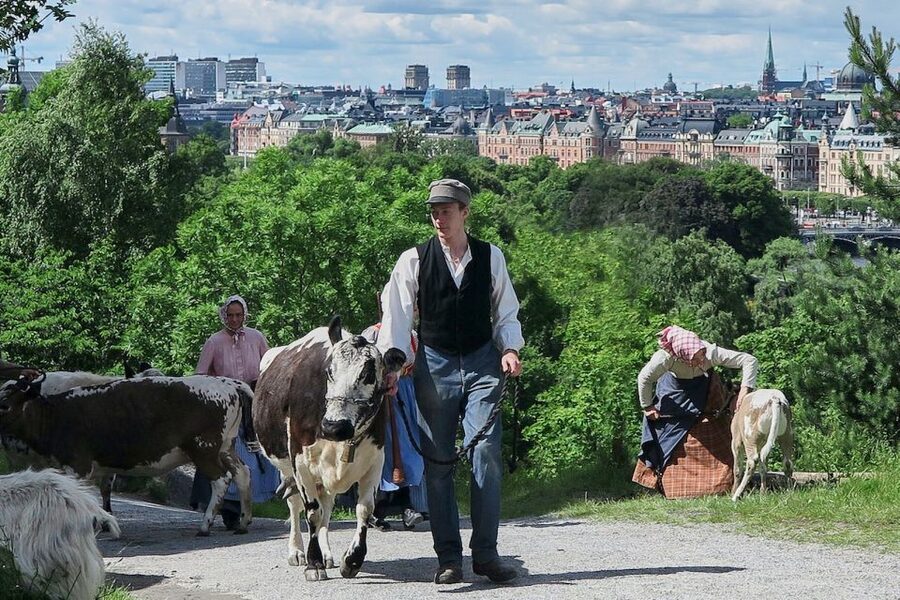
Costumed staff and role-playing interpreters may also be present in the historic areas. Their job is to show how people lived and worked, and this can make the old streets feel less like a display and more like a functioning community. On some Sundays or during winter, fewer interpreters and activities may be operating.
Follow the paths to the Nordic animals
Skansen includes both cultural displays and animal areas, so you are getting more than a historic village. The site is home to about 75 animal species, including Nordic wild animals, rare domestic breeds, farm animals, and other creatures.
The Nordic enclosures are a strong reason to allow extra time. Depending on current conditions, you may see moose, brown bears, lynx, reindeer, wolverines, grey seals, and other northern species. Moose are a frequent favorite, and the combination of large animals with the historic park gives the visit a distinctly Swedish feel.
Younger children may prefer the domestic animal area, where cats, rabbits, and guinea pigs are among the animals listed. Farm animals and rare breeds add another layer to the museum’s picture of rural life. You can see not only where people lived, but also the animals that formed part of that economy.
Animal availability can change. A reindeer enclosure has been closed during one visit, and some people have found that expected animals such as wolves or reindeer were not available. Treat individual enclosures as a bonus rather than a guarantee.
The paths can be pleasant in snow, but winter conditions also make the walking more demanding. In warmer months, you may want to linger outdoors, while a cold or wet day calls for a shorter route and more attention to which indoor buildings are open.
Leave time for the aquarium and extra exhibits

There is also a Baltic Sea science and aquarium attraction within the wider Skansen visit. It has been described as a large, informative, interactive place, and the walk-through lemur area is a memorable feature. Lemurs can move around the enclosure close to you, which gives this section a different feel from the Nordic animal areas.
The aquarium’s admission arrangement can vary, so check the current terms before you arrive. Some descriptions present it as an extra charge, while some recent experiences treated it as included. The safe approach is to budget for a possible supplement and confirm at the entrance.
If marine life and interactive exhibits interest you, the extra cost may be worthwhile. If your main aim is Swedish history and traditional buildings, you can still have a satisfying visit without making the aquarium your priority.
This is one reason I would not squeeze Skansen into a strict two-hour schedule. The museum has several distinct parts, and each one can easily take longer than expected.
Same city, a completely different kind of day:
- Stockholm: City Archipelago Sightseeing Cruise with Guide
★ 4.3 · 10,798 reviews - Stockholm: Archipelago Boat Tour
★ 4.4 · 3,110 reviews - Stockholm: Highlights Boat Tour
★ 4.3 · 2,542 reviews - Stockholm: Ghost Walk and Historical Tour
★ 4.7 · 2,206 reviews
Use the views, shops, and restaurants as part of the visit
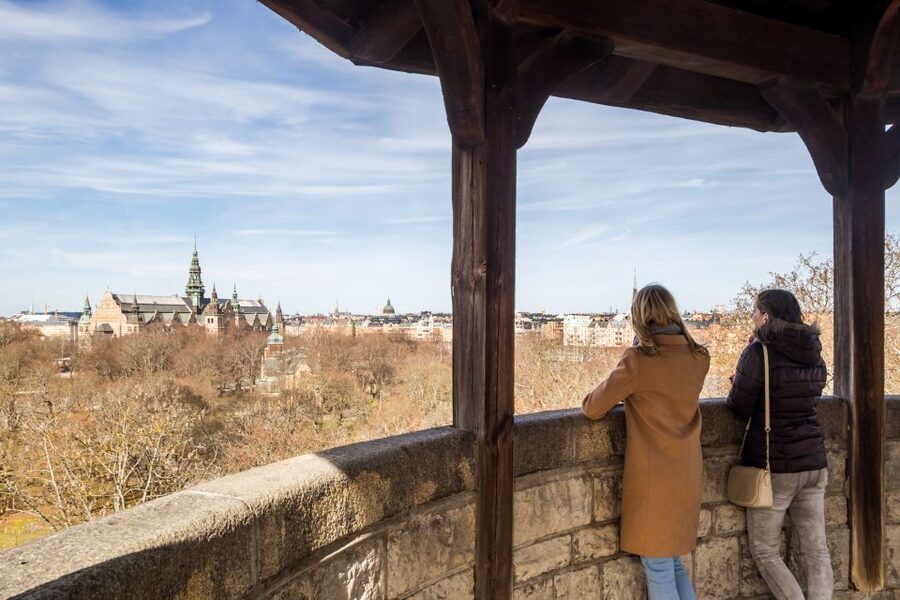
Skansen is also a good place to pause. Restaurants offer meals and views over Stockholm, but food and drinks are not included in the admission price. A lunch break can be useful because the walking is substantial, especially on a first visit.
The museum shop is worth a look if you want a practical souvenir rather than a generic Stockholm keepsake. It carries traditional handicrafts and Swedish-designed items. Historic shops and working displays may also offer baked goods, tools, glassware, or similar products, depending on what is open that day.
Opening hours for cafés and stands can be staggered. One morning visit found very few places ready to serve coffee at 10 a.m., with more options gradually opening from 11 a.m. If you need breakfast or an early drink, plan ahead instead of assuming every café will be operating at opening time.
The park’s viewpoints add value to the ticket, particularly if you want a break from indoor displays. The setting gives you space to walk, take photographs, and look across Stockholm without leaving the museum grounds.
Match your visit to the season
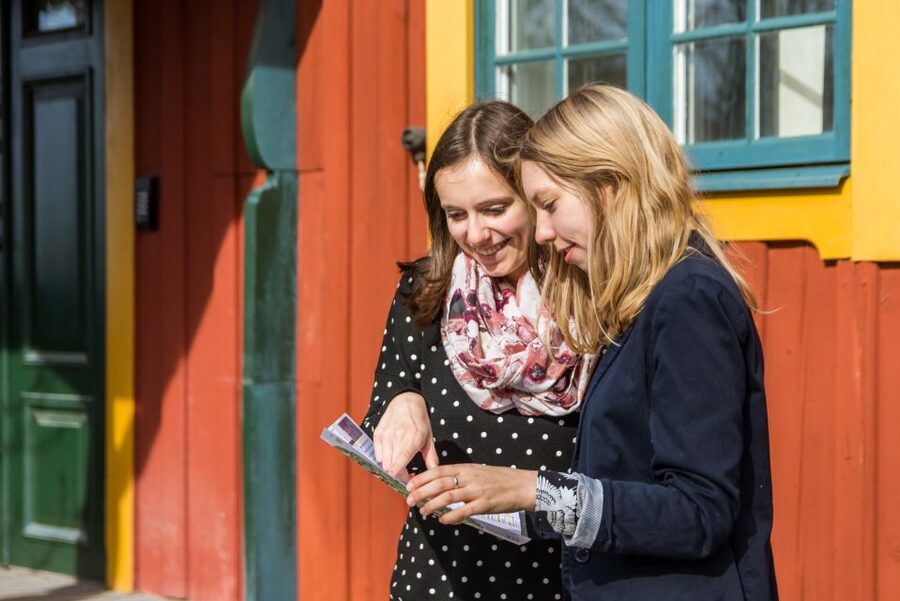
Skansen changes its decorations and program through the year. That matters because the same paths can feel very different in summer, winter, or during a festival.
Midsummer celebrations can bring traditional customs and a festive program. A historic Christmas market, dating back to 1903, has included handicrafts, sweets, homemade candles, and Christmas gifts. The supplied schedule lists the market from Friday to Sunday between November 26 and December 19, though you should confirm dates for your own year.
Snow can add atmosphere to the old homes and paths, but it also means cold walking and possible closures. Winter visitors have still found the museum worthwhile, though some buildings and demonstrations may not operate. January and other quiet periods can give you a calmer walk, but they offer less activity.
Summer generally gives you more time outdoors and a better chance of seeing the full range of demonstrations. It can also be harder to cover the site casually because the grounds are so large. I would choose the season based on your priority: festivals and open-air activity in warmer months, or quiet atmosphere and snow if you are prepared for the cold.
Getting around the large, hilly grounds

The meeting point is Djurgårdsslätten 49 to 51, in Stockholm. The museum is on Djurgården, and one account describes walking from central Stockholm along the water in about 25 minutes. You can also use local transport to reach the area, though the supplied information does not specify a particular route.
The first hill is steeper than some people expect. A funicular can take you up that initial hill for an extra fee, which may help if you have limited energy or want to save your legs for the museum itself.
Skansen is wheelchair accessible, but the hills and outdoor paths still matter when planning your route. Accessibility does not remove every practical challenge of a large historic park. Take your time, and ask staff for help choosing the most manageable path.
The selected entry timeslot is only a reference. You can arrive at any time during opening hours, which is useful if your morning plans shift or you are combining Skansen with another Djurgården attraction.
Is the $27 ticket good value?
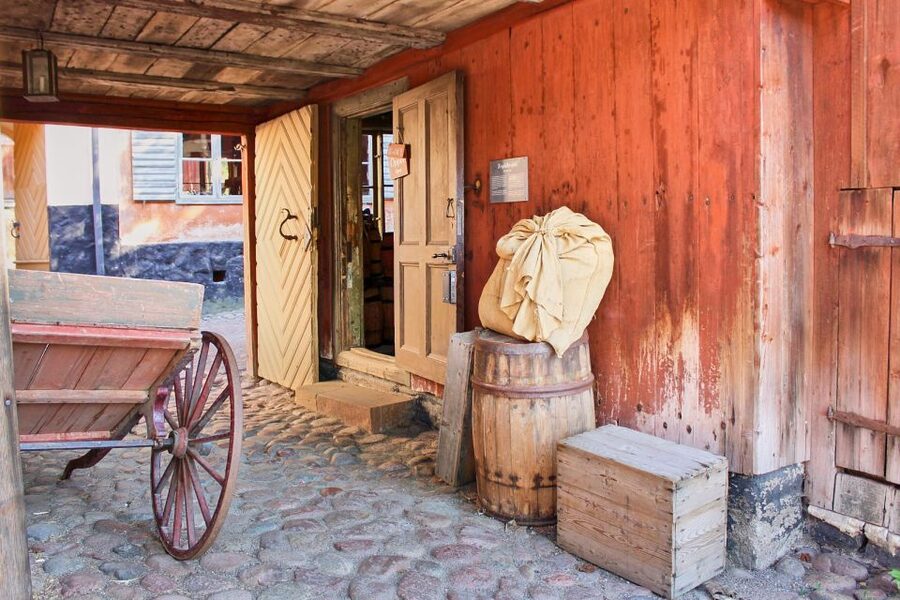
At $27 per person, Skansen is not a cheap quick stop, but it can be good value if you use the full day. You are paying for a large historic collection, outdoor walking areas, animal enclosures, seasonal displays, viewpoints, and occasional live demonstrations in one admission.
The value drops if you arrive late and stay for only an hour or two. Several areas compete for your attention, and the site takes time to cross. I would think of the ticket as a half-day purchase at minimum, with a full day being sensible for families, photographers, history fans, and anyone who wants to stop for lunch.
Food, drinks, and some attractions are extra. The aquarium may require another fee, and the funicular is also listed as an optional extra. Add these costs before deciding if the total fits your budget.
The ticket is easier to justify if you want more than a conventional museum. Skansen combines architecture, social history, living crafts, animals, and outdoor scenery. If you prefer compact galleries or dislike walking on hills, you may find the admission less attractive.
Who will enjoy Skansen most?

Families have plenty to do, especially with the domestic animals, larger Nordic species, open spaces, and seasonal events. Children may not absorb every historical detail, but the buildings, animals, crafts, and demonstrations give them different ways into the subject.
Adults without children can enjoy it too. I would especially recommend it if you like traditional architecture, folk customs, old workplaces, photography, or museums that let you move through a setting rather than stand in one room.
It is also a good choice for a second or third day in Stockholm, when you want fresh air and a slower pace. The park can provide a change from central streets and indoor attractions.
You should be more cautious if your schedule is tight, if you need a flat route, or if you are visiting during a period when many buildings are closed. The attraction remains worthwhile in winter, but you should accept a smaller program and dress for the weather.
My practical plan for a first visit
I would arrive early enough to see the historic interiors and working demonstrations before staff leave for the day. Then I would walk through the main historic areas, stop for lunch, and spend the afternoon with the Nordic animals and any seasonal program.
If the aquarium is a priority, I would check its admission at the entrance and allow time for it before the end of the day. I would also leave room for the shop and viewpoints rather than treating them as rushed add-ons.
Wear comfortable shoes. Bring extra patience for hills, and do not rely on a short visit if you want to see the buildings and animals properly. A full day is not excessive here.
Should you book Skansen?
Book it if you want Swedish culture presented through homes, work, animals, and outdoor spaces rather than through a standard museum collection. At $27, it is a sensible full-day choice, and the range of things to see makes it useful for families and independent sightseers alike.
Skip it if your Stockholm plans allow only a brief stop, or if you want a tightly guided experience with every exhibit guaranteed to be open. For most people, the best approach is to choose a day with favorable weather, arrive early, and treat the ticket as permission to explore at an unhurried pace.
FAQ
How long is the Skansen admission ticket valid?
The ticket is valid for one day from first activation.
Can I arrive at a different time from my selected timeslot?
Yes. The selected timeslot is only a reference, and you can arrive anytime during opening hours.
What is included in the ticket?
The admission ticket includes entry to Skansen Open-Air Museum. Food and drinks are not included.
Is Skansen wheelchair accessible?
Yes, the activity is listed as wheelchair accessible. The grounds are also hilly, so the terrain may affect how you plan your route.
Does Skansen have Nordic animals?
Yes. The animal collection includes Nordic wild animals such as lynx, moose, and brown bears, along with domestic animals and rare breeds.
Can children see domestic animals?
Yes. The zoo area includes domestic animals such as cats, rabbits, and guinea pigs.
Is the aquarium included?
The information provided is not consistent about the aquarium admission. Some descriptions list it as an extra fee, so check the current arrangement before entering.
Does the funicular cost extra?
Yes. The funicular up the initial hill is listed as an optional extra.
Are restaurants available at Skansen?
Yes. Skansen has restaurants offering meals and views over Stockholm, but food and drinks cost extra.
Can I cancel the booking?
Yes. You can cancel up to 24 hours in advance for a full refund. A reserve-now-and-pay-later option is also available.
Just added around Stockholm
- World War II Stockholm Old Town Walking Tour and Army Museum★ 4.6 · 4 reviews
- Stockholm: Archipelago Guided Boat & Walking Tour of Vaxholm★ 3.1 · 23 reviews
- Stockholm: Underground Metro Art Ride with a Local Guide★ 4.6 · 39 reviews
- Vaxholm & Stockholm Archipelago: Guided Excursion, Day Trip★ 4.8 · 41 reviews
- Wolf and Wildlife Tracking in Sweden★ 5.0 · 9 reviews
- Scandinavian Art, Architecture and Design Tour in Stockholm★ 4.5 · 11 reviews
- Private Tour: Swedish History Day Trip to World Heritage Candidate Markim-Orkesta from Stockholm★ 5.0 · 8 reviews
- Walking Tour of Stockholm’s City Center★ 4.5 · 26 reviews
Museums, compared.
Stockholm Pass: Save up to 50% – Includes Vasa Museum Ticket
Read our review →


Skip the Line: Disgusting Food Museum Entrance Ticket
Read our review →
Vasa Museum Guided Tour, Including Ticket & Guide
Read our review →

Browse the lists this tour appears in