
Reviewed · 1-HOUR EXPERIENCES
Explore Gothenburg in 60 minutes with a Local
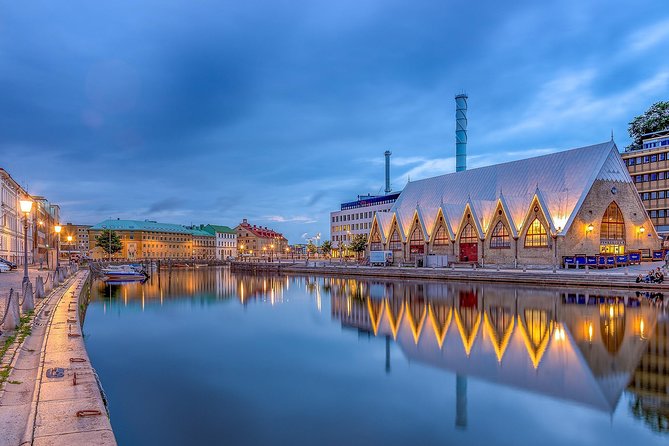
Gothenburg reveals itself quickly on this one-hour walking tour, from the sea-linked Poseidon statue to Feskekôrka, the city’s famous Fish Church. You’ll also pass grand civic buildings, a former World’s Fair site, and the opera house beside the harbor.
I like the small group of up to eight, which gives the local guide room to answer questions rather than deliver a speech to a crowd. I also like the flexible pace and the chance to ask for personal suggestions. The main drawback is the price: at $91.92 per person, one hour is a short window for the cost.
In This Review
- Key things to know before you book
- A fast introduction to central Gothenburg
- Starting beneath Poseidon at Götaplatsen
- Feskekôrka and Gothenburg’s seafood identity
- Gustaf Adolfs Torg and the civic center
- Christina Nilssons gata and the route toward the water
- A quiet pause at Esperantoplatsen
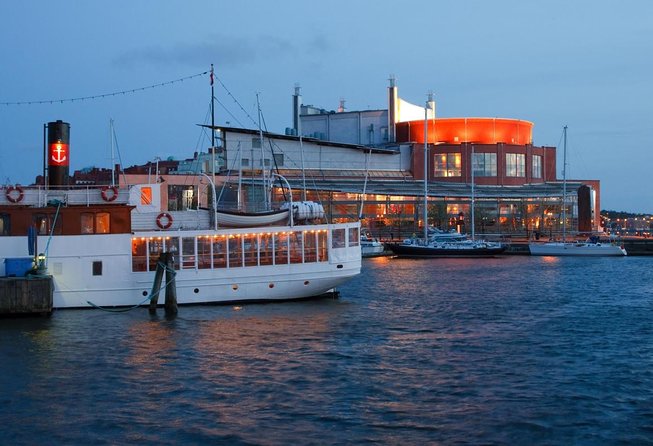
- Finishing at the Gothenburg Opera House
- Is $91.92 good value for one hour?
- Who will get the most from this walk?
- Practical details that affect your choice
- Should you book Explore Gothenburg in 60 Minutes with a Local?
- FAQ
- How long does the Gothenburg walking tour last?
- Where does the tour start?
- Where does the tour finish?
- How many people can join the walk?
- Is the experience private?
- What sights are included?
- Are public transportation tickets included?
- Are museum and monument admission tickets included?
- Are service animals allowed?
- Can I cancel for a full refund?
Key things to know before you book
- Poseidon starts the walk: Meet at Götaplatsen, one of Gothenburg’s main cultural squares, beside the city’s famous bronze statue.
- Feskekôrka adds local flavor: The Fish Church combines unusual Gothic-style architecture with Gothenburg’s long connection to seafood.
- The group stays small: No more than eight people join, making questions and route changes easier.
- The walk ends at the opera house: You finish on Christina Nilssons gata, well placed for exploring on your own.
- The route is flexible: Stops and pacing can change with weather and the interests of the group.
- The price favors personal guidance: It makes most sense if you value recommendations and quick orientation more than a long sightseeing tour.
A fast introduction to central Gothenburg
This is a walking orientation, not a full city tour. In one hour, you get a string of useful first impressions: public art, old government architecture, seafood culture, open squares, and the waterfront opera house.
That short format works well on a first day in Gothenburg. You can use it to learn the shape of the center, then return to the places that catch your eye. It also suits a family with limited energy or a visitor fitting sightseeing between other plans.
The experience is hosted by an independent local, not by a large tour company guide team. That distinction matters. The route may feel more conversational, and you can ask for suggestions based on your interests. One guide named in the feedback, Gaurab, was described as friendly and excellent, though you should not assume he will lead your departure.
The walk is offered in a small group capped at eight people. That is a useful middle ground: more social than a private tour, but far less crowded than a standard city group. The guide can adjust the pace and focus, although flexibility also means the exact route may vary.
A few more Gothenburg trips to weigh up
- Gothenburg: Express Walk with a Local in 60 minutes
★ 4.8 · 6 reviews - Malmö: Express Walk with a Local in 60 minutes
★ 5.0 · 8 reviews - Uppsala bloody history 1h- racial biology, 18th century plague, 19th century prostitution etc.
★ 5.0 · 4 reviews
Starting beneath Poseidon at Götaplatsen
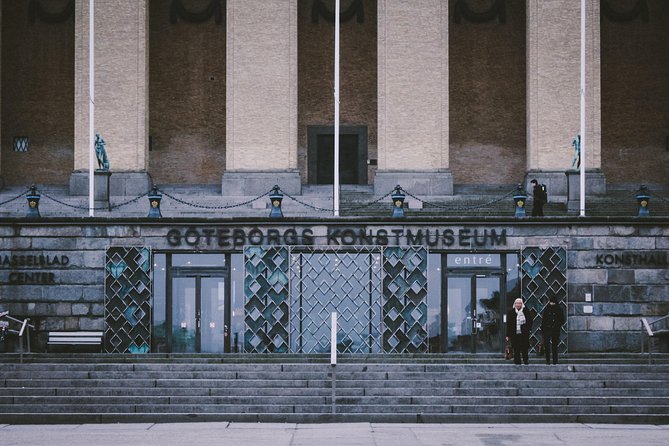
The meeting point is Poseidonstatyn at Götaplatsen 4. Look for the large bronze figure at the center of Gothenburg’s cultural district. Poseidon is not a minor street ornament. He is one of the city’s best-known public sculptures and a natural place to begin a short introduction to Gothenburg.
The statue’s maritime theme connects to the city’s position on Sweden’s west coast. It also gives you an immediate photo stop. If you want a recognizable Gothenburg picture, this is the place to take it.
Götaplatsen itself is linked with the 1923 World’s Fair, giving the opening stop a little more depth than a simple statue visit. The square also helps set up the city’s artistic side, since Poseidon represents both maritime identity and public art.
The practical tip is simple: arrive at the named statue rather than only searching for the square. The starting address is precise, and the tour begins here. Since the walk lasts about an hour, a late arrival could cut into a meaningful part of the experience.
Feskekôrka and Gothenburg’s seafood identity
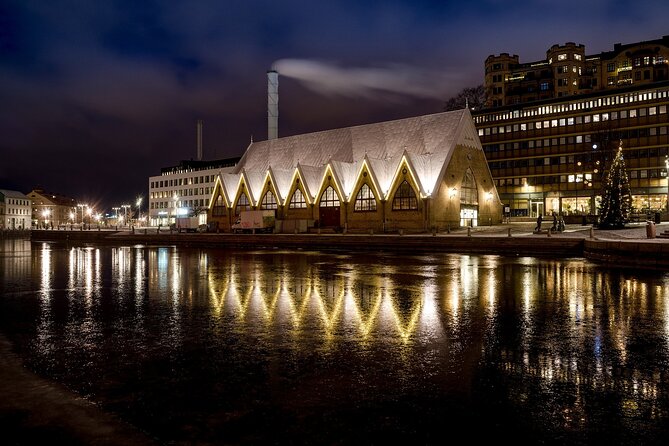
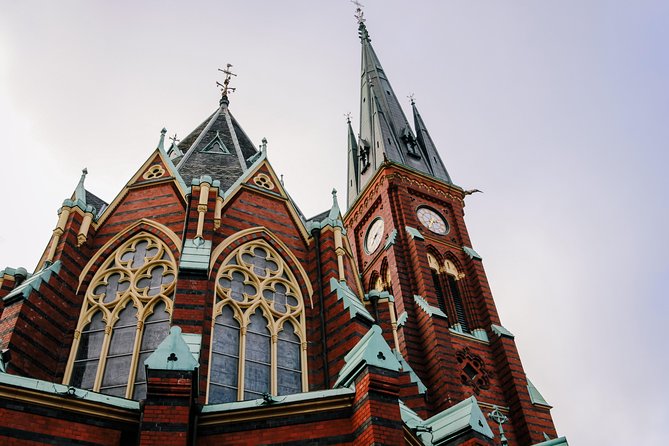
Feskekôrka is usually translated as Fish Church, and the name makes sense once you see its unusual Gothic-style market hall. Its shape gives the building a memorable profile, while its purpose reflects Gothenburg’s close ties to the sea.
This is one of the strongest stops for visitors who want more than grand squares and statues. The building connects local food with the city’s working identity. You can see why it has become one of Gothenburg’s signature sights even if you have only a little time.
The tour does not include personal expenses, so anything you buy at or near the market is your responsibility. The experience is mainly a look at the building and its place in the city. If you want a seafood meal or a purchase, plan to handle that separately.
Feskekôrka also makes a useful follow-up stop after the walk. Since the tour is short, you may want to return later, spend more time nearby, or make it part of your own food plans. The guide can offer personal suggestions, but no specific restaurant or market purchase is included.
Gustaf Adolfs Torg and the civic center
Gustaf Adolfs Torg brings you into one of central Gothenburg’s key public squares. The square is surrounded by imposing buildings and cafes, giving you a sense of the city’s civic center without requiring a long museum visit.
This stop is valuable because it shifts the focus from the sea to public life. You see how Gothenburg presents its government, commerce, and daily meeting places. The surrounding buildings provide the kind of visual context that is easy to miss if you simply walk from one attraction to the next.
The square can also help you understand the rhythm of central Gothenburg. A one-hour tour cannot explain every building in detail, but a local can point out what deserves a closer look. Ask questions here if you are interested in architecture, city history, or places to pause for a drink.
The tour also passes the 17th-century facade of Rådhuset, the old city hall. That detail gives the walk a clear historical thread. You are not only seeing modern streets and public art. You are also passing traces of Gothenburg’s earlier civic life.
Same city, a completely different kind of day:
- Gothenburg: Archipelago cruise with guide
★ 4.3 · 1,002 reviews - Gothenburg: City Canal Sightseeing Cruise
★ 4.7 · 470 reviews - Gothenburg: Go City All-Inclusive Pass with 20+ Attractions
★ 3.8 · 222 reviews - Gothenburg: City Sightseeing Hop-On Hop-Off Bus Tour
★ 3.8 · 206 reviews
Christina Nilssons gata and the route toward the water
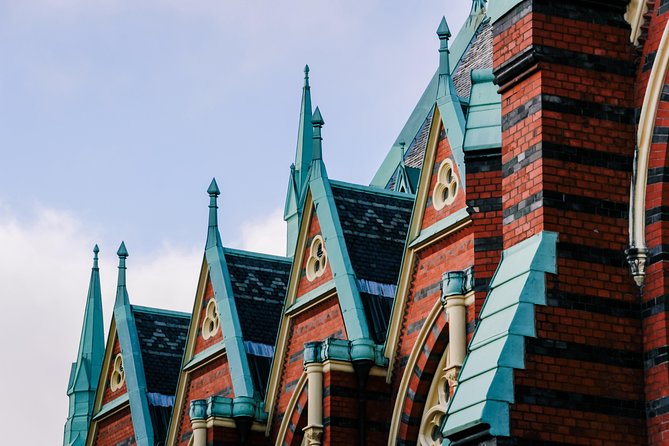
Christina Nilssons gata brings a more modern street scene into the walk. Shops and urban surroundings replace the formal feeling of Götaplatsen and Gustaf Adolfs Torg.
This part of the route is useful for orientation. It shows you how the central streets connect rather than presenting each sight as an isolated postcard. The street also leads toward the end point at Göteborgsoperan, so the walk has a practical direction.
You may pass near the Carolus XI Rex Bastion, an underground fortress linked to Gothenburg’s defensive past. The fortification adds another layer to the route, especially for anyone interested in how the city protected itself. Because this is a short walk, the amount of attention given to the bastion can depend on the guide and the group’s interests.
Christina Nilssons gata is also the end point. That makes the street useful after the tour. You can continue exploring the area on your own rather than being returned to the starting square.
A quiet pause at Esperantoplatsen
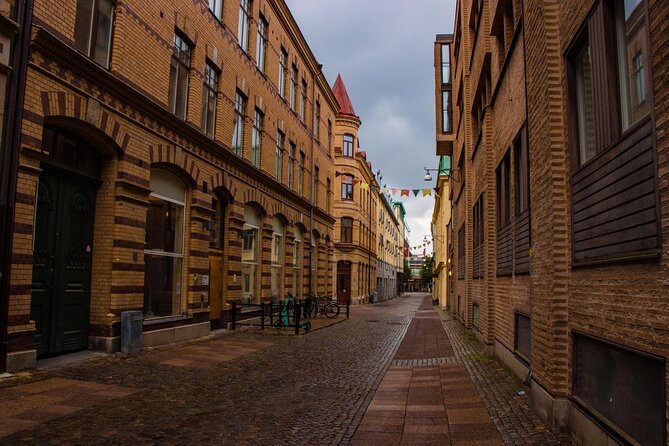
Esperantoplatsen offers a calmer change of pace. The square has greenery and a more relaxed setting, making it a natural place to pause during the walk.
Do not expect a major monument here. Its value is atmosphere and contrast. After the public scale of Götaplatsen and Gustaf Adolfs Torg, a smaller open space lets you notice the everyday side of central Gothenburg.
This stop may appeal most to you if you like observing how a city feels between its headline sights. The guide can adapt the pace, so this may be a point where you ask about local routines or places to visit later.
Weather can affect the route and the stops. Since Esperantoplatsen is an outdoor space, conditions may lead to a shorter visit or a changed order. The stated flexibility is useful, but it also means you should not treat every stop as guaranteed in exactly the same form.
Finishing at the Gothenburg Opera House
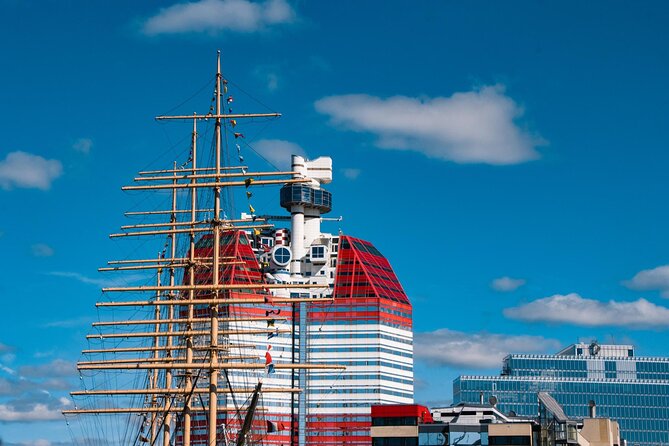
The tour ends at Göteborgsoperan on Christina Nilssons gata. This is a sensible finish because the opera house gives you a strong waterfront landmark and leaves you in an area you can explore afterward.
The end point is not just a place to leave the group. It can serve as a launch point for your next plan. You might continue walking, look around the waterfront, or use the guide’s suggestions to decide what to see next. No entrance ticket to the opera house or any other monument is included, so treat the building as an exterior stop unless you arrange a separate visit.
I like this ending more than a return to the starting point. A return journey would use part of the hour and repeat the route. Finishing elsewhere gives the walk a sense of progress and makes it easier to fit into a larger day of sightseeing.
If you need public transportation during or after the experience, tickets are not included. The tour is near public transportation, but you will need to pay for your own rides.
Is $91.92 good value for one hour?
At $91.92 per person, this is an expensive one-hour activity when judged only by distance and duration. You are not paying for admission to a museum, a meal, or a major attraction. Personal expenses and tickets for transportation, museums, and monuments are separate.
The price becomes easier to justify if you want quick local orientation and a small group. A group of eight or fewer gives the guide time to respond to your questions and adjust the route. That can be more useful than a larger, cheaper walk if you have very limited time.
The included personal recommendations are another part of the value. If you have just arrived and want help choosing what to do next, a local conversation can save you time. You can ask about which parts of central Gothenburg deserve a longer visit, though the exact advice will depend on your guide.
I would not book this mainly for extensive historical detail. One hour and several stops leave little room for long explanations. If you want a deep look at fortifications, architecture, or Gothenburg’s maritime past, you may need separate visits and more time.
Group discounts may improve the value for larger parties. Check the final price for your dates, since the advertised rate is per person and the benefit of any discount is not specified here.
Who will get the most from this walk?
This suits first-time visitors who want to get their bearings quickly. The route touches several central sights and finishes at a useful location, so you can build the rest of your day around what interests you most.
It also fits families short on time. An hour is easier to manage than a long walking tour, and the flexible pace can help if children need breaks. Still, it is not recommended for people with impaired mobility, and the route is a walking experience rather than a vehicle-based city tour.
You may also like it if you prefer conversation to a formal lecture. The independent local format leaves room for questions and personal recommendations. One piece of feedback praised Gaurab for being friendly and helpful, which suggests the right guide can make the experience feel relaxed and personal.
The format may disappoint you if you expect a fully private tour or a fixed script. The group can include up to eight people, and the route can change. One participant found the idea of a tour with a local did not match their expectations, so read the description as a casual small-group walk, not as a guaranteed private meeting with a resident showing you secret corners.
Practical details that affect your choice
You receive confirmation at booking, and a mobile ticket is available. The experience is near public transportation, but transportation tickets are not part of the price.
Service animals are allowed, and most people can take part. The stated restriction for impaired mobility is important because the activity involves walking between several outdoor locations. Ask about your needs before booking if you are unsure.
The group maximum is eight people. The walk adapts to the group’s pace and interests, and stops can change with weather. That flexibility is useful, but it means the experience is less predictable than a fixed sightseeing route.
Cancellation is free up to 24 hours before the start time. If you cancel inside that window, you do not receive a refund, and changes made within 24 hours are not accepted. The cut-off uses Gothenburg local time.
Should you book Explore Gothenburg in 60 Minutes with a Local?
Book it if you have only an hour, want a friendly introduction, and value direct suggestions from a local. The Poseidon statue, Feskekôrka, Gustaf Adolfs Torg, old Rådhuset facade, Esperantoplatsen, and opera house create a good sampler of central Gothenburg.
Think twice if $91.92 feels high for a short outdoor walk or if you want extensive historical commentary and entry to attractions. You can see several landmarks, but the tour does not include tickets, food, or a long visit inside any monument.
For the best fit, schedule it early in your Gothenburg stay. You can use the guide’s recommendations to plan the following days, and the finish at the opera house puts you in a useful area for continuing on your own.
FAQ
How long does the Gothenburg walking tour last?
The experience lasts approximately one hour.
Where does the tour start?
It starts at Poseidonstatyn, Götaplatsen 4, 412 56 Göteborg, Sweden.
Where does the tour finish?
It finishes at Göteborgsoperan on Christina Nilssons gata, 411 04 Göteborg, Sweden.
How many people can join the walk?
The group has a maximum of eight people.
Is the experience private?
No. It is a small-group experience with up to eight people. A private tour is not stated as an option.
What sights are included?
The route includes Feskekôrka, Poseidon at Götaplatsen, Gustaf Adolfs Torg, Christina Nilssons gata, Esperantoplatsen, and the Gothenburg Opera House. The route may vary with weather and group interests.
Are public transportation tickets included?
No. Tickets for public transportation are not included.
Are museum and monument admission tickets included?
No. Entry tickets for museums and monuments are not included.
Are service animals allowed?
Yes. Service animals are allowed on the experience.
Can I cancel for a full refund?
Yes, if you cancel at least 24 hours before the experience start time. Cancellations made less than 24 hours before the start are not refunded.
Just added around Gothenburg
- Explore the Instaworthy Spots of Gothenburg with a Local★ 5.0 · 3 reviews
- Private Boat Ride in Gothenburg with pickup★ 4.0 · 9 reviews
- Make Your Own Tour – Guided Walking Tour★ 4.5 · 32 reviews
- Gothenburg : Private Walking Tour with A Guide (Private tour)★ 4.0 · 19 reviews
- Haga Sightseeing Tour★ 4.0 · 11 reviews
- Historical Walking Tour in Restaurant and Bars in Central City★ 5.0 · 9 reviews
- Discover Gothenburg’s most Photogenic Spots with a Local★ 4.5 · 7 reviews
- 24h Gothenburg Hop-On Hop-Off Boat Tour★ 4.5 · 18 reviews
1-Hour Experiences, compared.



Uppsala bloody history 1h- racial biology, 18th century plague, 19th century prostitution etc.
Read our review →
Uppsala’s biggest attractions – 1h city walk in Uppsala city.
Read our review →Browse the lists this tour appears in