
Reviewed · VIKING HISTORY TOURS
From Stockholm: Uppsala and Sigtuna Viking Sites Tour
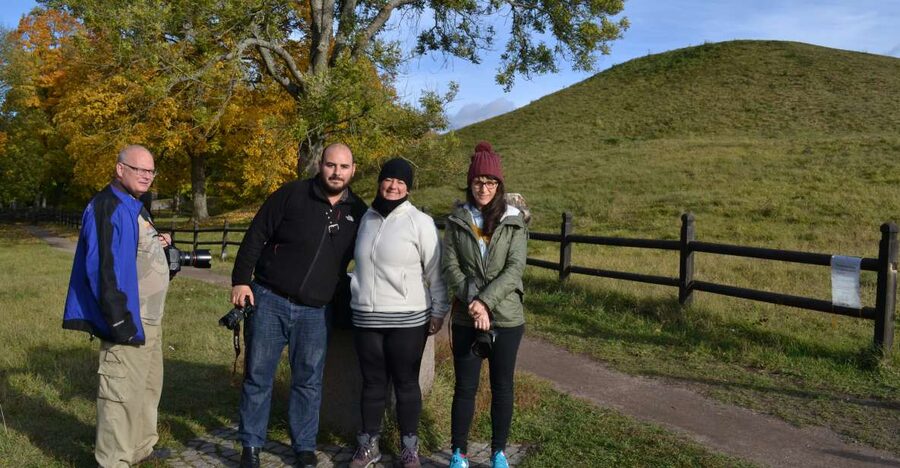
Sweden’s Viking past is not confined to a museum case. It is spread across fields, churchyards, old roads, carved runestones, and the great burial mounds of Gamla Uppsala. This nine-hour small-group tour links those places in one long, story-filled day, with guides such as Urban bringing the politics, beliefs, and personalities of early Sweden into focus.
I like two things right away: the route includes both famous sites and quieter places such as Arkils Tingstad and Vallentuna Church, and the group size is limited to 17. I also like the stop at Granby farm for homemade pastries and Swedish fika, a welcome break from standing beside stones and churches. The main drawback is the pace. You cover a lot of ground, and the day can feel heavy if you prefer slow visits or want extended museum time.
In This Review
- The best parts of the day
- Why this tour works from Stockholm
- Jarlabanke Bridge and Arkils Tingstad
- Vallentuna Church and the shift to Christianity
- Granby farm and a proper Swedish fika
- Sigtuna, Sweden’s early town
- Gamla Uppsala and the great burial mounds
- Uppsala Cathedral and the university quarter
- What the guide adds to the experience
- Price, comfort, and the nine-hour commitment
- Who should book this day trip?
- Practical details before you go
- Should you book the Uppsala and Sigtuna Viking Sites Tour?
- FAQ
- How long does the tour last?
- Is hotel pickup available?
- Where is the meeting point at the Radisson Blu Waterfront Hotel?
- What language is the tour conducted in?
- Is lunch included?
- How much walking is required?
- Can I cancel the booking?
The best parts of the day
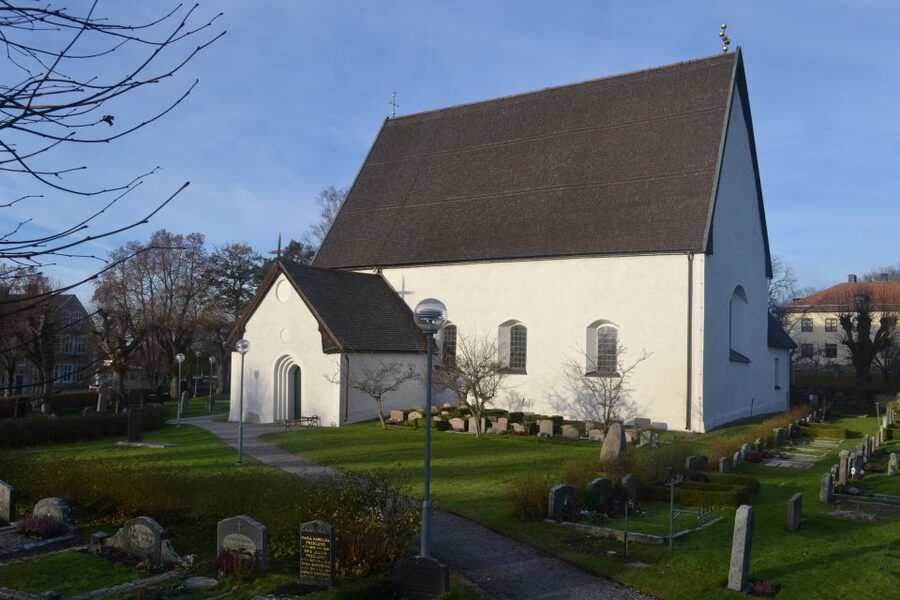
- Runriket’s original runestones: See Viking-age inscriptions where they were first placed, rather than only in a museum.
- Granby farm fika: Break up the history with coffee and homemade pastries in a traditional Swedish setting.
- Sigtuna’s medieval streets: Get free time in one of Sweden’s oldest towns for lunch, shopping, and wandering.
- Gamla Uppsala’s burial mounds: Visit the former religious center of Viking-era Scandinavia.
- Uppsala Cathedral: Finish with Sweden’s main cathedral and a guided look at its art and history.
- A guide-led history lesson: Urban, Olof, and other guides are praised for clear storytelling, humor, and wide knowledge of Swedish history.
Why this tour works from Stockholm
Stockholm is an excellent base for seeing Sweden, but the city itself can hide the country’s older roots. This excursion takes you north through Stockholm County and into Uppland, where early Swedish power, religion, and royal ambition were concentrated.
The route is not simply a drive to Uppsala. You stop at a chain of sites connected with Runriket, the famous runestone district north of Stockholm. You also visit Sigtuna, founded near the end of the Viking era, and Gamla Uppsala, the ceremonial center that shaped later Swedish history.
That variety matters. A single stone can tell you about a named person, a church can show the change from pagan beliefs to Christianity, and a cathedral can reveal how later rulers and church leaders reshaped the same region. I find the tour most useful when you treat it as a history class with scenery, rather than as a checklist of monuments.
Transport is by a comfortable small modern bus, with about nine hours devoted to the day. Pickup may be arranged at one of the listed Stockholm hotels. If you are staying outside the center, the usual meeting point is the Radisson Blu Waterfront Hotel, on the upper street by the Klarabergsgatan entrance. Confirm your pickup details before the morning of the tour, since central Stockholm has restrictions affecting some non-electric vehicles from 2025.
More viking history tours in Stockholm:
- Stockholm: The Viking Museum Exhibition and Viking Ride
★ 4.5 · 667 reviews - Entrance ticket to The Viking Museum
★ 4.0 · 301 reviews - Viking History, Runes & Countryside 9h Tour to Sigtuna & Uppsala
★ 4.5 · 283 reviews
Jarlabanke Bridge and Arkils Tingstad
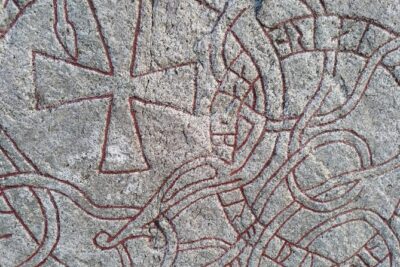
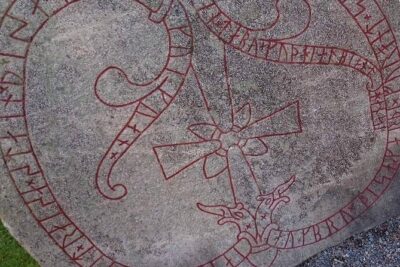
The first historic stops introduce the way Viking history is read in this part of Sweden. At Jarlabanke Bridge, your guide explains the local runestones and the influential Jarlabanke family connected with them. The site gives you an early lesson in how Viking-age people used stone inscriptions to record family ties, power, building work, and Christian beliefs.
You spend around 30 minutes here. That is enough for a guided explanation and photographs, though not enough for a long independent exploration. The value comes from the guide’s ability to connect the carved stones with the society around them. You are not just looking at old writing. You are considering who paid for the stones, whom they wanted remembered, and what those choices reveal about status.
A short drive takes you to Arkils Tingstad. The name refers to a traditional assembly place, where local people gathered to settle matters and make decisions. This stop adds a social and political side to the tour. Viking society was not only about raiding or kings. Local assemblies, landholding, family alliances, and public reputation mattered too.
The visit lasts about 30 minutes, with another chance to ask questions. I appreciate this stop because it prevents the day from becoming a parade of burial grounds. It shows how communities organized themselves and how public spaces helped shape early Swedish life.
Vallentuna Church and the shift to Christianity
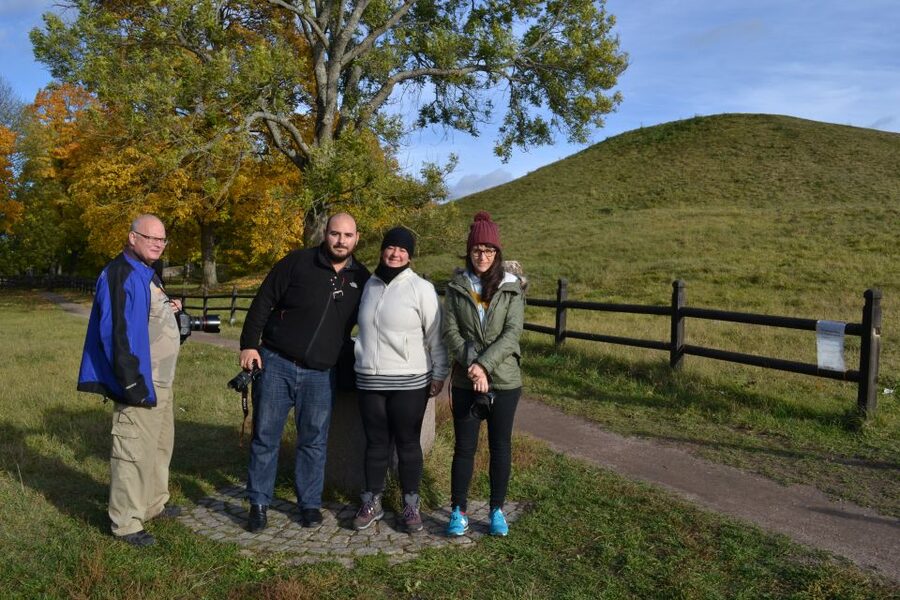
Vallentuna Church brings the changing religious story into view. The tour uses original medieval churches to show what happened as Christianity gained ground in a region that had long followed pagan traditions.
You spend roughly half an hour at the church. The tour description places special attention on the transition from paganism to Christianity, a subject that can easily be reduced to a simple before-and-after story. A good guide adds more nuance by explaining the people and power structures involved.
That context is one of the strongest parts of the day. Christianity was not just a new set of prayers. It affected burial customs, political authority, ties with Europe, and the role of rulers. The guide also discusses important figures who helped shape Sweden’s future, including people connected with the move toward a Christian kingdom.
Expect outdoor walking between stops and some time standing. You do not need to be in top physical condition, but you should manage a few hundred meters on foot. Dress for the weather. Rain, cold, or early darkness can affect how much you see outside, especially in winter.
Granby farm and a proper Swedish fika
After the first runestone and church visits, you stop at Granby farm, including the HÖKERIET venue, for a Swedish fika. This is not just a quick drink grabbed beside the bus. The break includes coffee and homemade pastries, giving you time to warm up, sit down, and talk with the group.
The stop lasts about 45 minutes. It is a smart piece of scheduling. Nine hours of historical explanation can wear you down, and the fika gives the day a more local rhythm. The food is also one of the small details that makes the excursion feel connected to Swedish daily life rather than purely academic.
The tour’s tone is academic, but it is not meant to be stiff. Guides are praised for explaining difficult subjects in a simple and sometimes funny way. Urban, in particular, is often described as passionate about Viking history and able to answer questions well beyond the basic route.
If you are looking for a quick, light sightseeing trip, the amount of information may surprise you. Bring your questions and use the audio system, called a whisper system, when needed. It is designed to let you hear the guide both outside and inside the vehicle without requiring everyone to crowd around.
More sigtuna day trips in Stockholm:
- Viking History and Swedish Countryside Tour to Sigtuna & Uppsala
★ 4.5 · 162 reviews - Viking History Small Group Tour from Stockholm: Half Day Including Sigtuna
★ 4.5 · 111 reviews - Private Full Day Viking History Tour from Stockholm Including Sigtuna and Uppsala
★ 5.0 · 51 reviews - Stockholm: Sigtuna and Uppsala Viking History Day Tour
★ 4.7 · 41 reviews
Sigtuna, Sweden’s early town
Sigtuna is one of the day’s most pleasant changes of pace. Founded in the late Viking era, the town gives you a chance to see how early Swedish settlement developed into a medieval town.
The itinerary allows about an hour of free time, followed by a 15-minute guided portion. That hour is useful because you can choose how to spend it. You can find lunch, browse shops, walk the picturesque streets, or simply take a break from the formal explanations. Lunch is not clearly specified as part of the included package, so plan to pay for it yourself unless your booking confirmation says otherwise.
The guided visit focuses on the ruins of Saint Olaf Church. Olaf was a Norwegian Viking warrior who converted to Christianity and later became a saint. His story fits the wider theme of the day: the Viking world was changing through travel, royal ambition, new religious ties, and contact across Scandinavia.
Sigtuna is also the place where I would most like a little extra time. An hour disappears quickly if you want lunch and a proper walk. If your priority is Viking archaeology alone, you may wish for more time at Gamla Uppsala or a museum visit. If you value atmosphere and a chance to wander, Sigtuna provides a welcome balance.
Gamla Uppsala and the great burial mounds
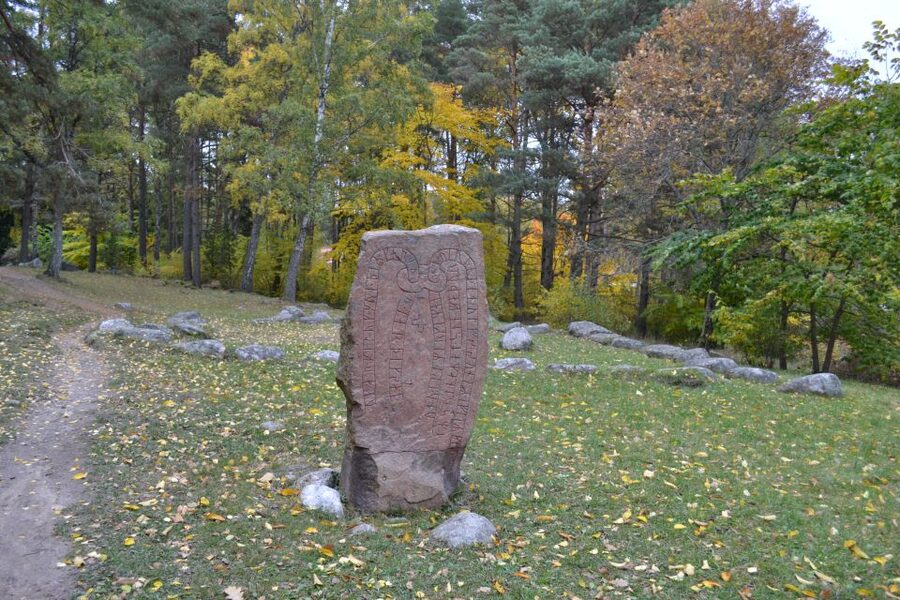
Gamla Uppsala is the emotional center of the tour. The large burial mounds date from the first centuries AD through the end of the Viking era, showing that the site mattered for many generations.
Your guided visit lasts about 45 minutes. You learn how Gamla Uppsala served as the spiritual center of Viking Scandinavia and how people gathered there for Midwinter blot festivals. These ceremonies were tied to pagan worship and seasonal traditions, making the site far more than a collection of grassy hills.
The story becomes even more striking when your guide explains the later Christian transformation. According to the tradition presented on the tour, the pagan temple was burned in 1087. A church was then built on the site, later becoming the country’s main cathedral and the seat of Sweden’s first archbishop.
You can feel the layers of power here: burial mounds, pagan ceremony, Christian authority, and national identity occupying the same ground. The stop is especially rewarding if you enjoy seeing how historical interpretation changes as new religions and governments take control.
The visit is guided rather than a long free exploration. That helps you understand what you are seeing, but it also means you have limited time to wander independently. A past participant specifically wanted more time in Old Uppsala and the chance to visit its museum. Keep that in mind if museums are central to your plans.
Uppsala Cathedral and the university quarter
The final major stop is Uppsala, a university town with one of Sweden’s most important churches. The guided visit to Uppsala Cathedral lasts about 40 minutes.
This is where the day moves beyond Viking history into medieval and national Sweden. The cathedral contains details that can be easy to miss without help, and the guide points out artistic and historical features that turn a standard church visit into something more engaging.
The cathedral has been a surprise highlight for people who expected just another large church. That makes sense. Its importance comes not only from its size or architecture, but from the people, institutions, and events connected with it. A guide who understands Swedish history can explain why the building matters within the country’s wider story.
As you leave, you receive a brief guided look at the university areas. It is not a full campus tour, but it gives you a glimpse of Uppsala’s role as a center of learning. The return trip to Stockholm takes about an hour, and you can continue asking questions or simply rest after a full day.
What the guide adds to the experience
The guide is the main reason to choose this excursion instead of arranging the same towns by yourself. Urban is the guide most often associated with the tour, and Olof, Carl, and Calle have also led highly praised outings. The recurring strengths are clear explanations, a warm manner, humor, and a strong command of both Viking history and medieval art.
Urban is described as able to place Swedish events in a wider European setting. That is useful because the Viking period was not an isolated chapter. Trade, conversion, royal alliances, and conflict linked Sweden with Norway, Denmark, and the rest of Europe.
The tour also invites questions and discussion. You are not expected to silently follow a script. If you want to know how runestones were made, why a church was built on a pagan site, or how a historical figure fits into the wider Swedish story, ask.
The academic level is real. You need a reasonable level of English to follow the guide, and the day includes a lot of information. The audio system helps, but it cannot replace concentration. I would choose this outing for curious adults, history fans, Viking enthusiasts, and anyone who wants more context than a quick photo stop provides.
Price, comfort, and the nine-hour commitment
At $235 per person, this is not a cheap excursion. The value depends on how much you would otherwise spend arranging transport, finding the sites, and hiring separate guides.
The price covers hotel pickup and drop-off when possible, transportation, the guide, the whisper audio system, and the fika at Granby farm. You also get a carefully linked route that would be awkward to reproduce in one day by public transport. For a small group capped at 17, that can be fair value, especially when the group is much smaller in practice.
Several outings have had only a few people, creating an almost private experience. That is a major advantage over a large coach tour. You can hear the explanations more easily, ask follow-up questions, and avoid losing the guide in a crowd.
Still, the cost may feel high if your main goal is to see Sigtuna and Uppsala without detailed interpretation. One participant felt the tour was overpriced, and that is a reasonable concern. You are paying largely for expertise, convenience, and access to many sites in one day, not for luxury transport or extensive free time.
The bus is described as comfortable and modern, but much of the day involves getting on and off, walking outside, and standing at historic sites. In winter, early darkness can mean less visibility at outdoor locations. In wet weather, the guide may move more of the explanation indoors, but the experience is still weather dependent.
Who should book this day trip?
Book it if you want a clear, connected story of Swedish history and do not want to manage rural transport yourself. It suits you especially well if runestones, medieval churches, religious change, and Viking-era politics interest you.
It is also a good choice for a first visit to Stockholm when you want one day outside the capital. You see countryside, an old town, burial mounds, a cathedral, and university streets without changing hotels.
I would hesitate if you need a relaxed schedule, dislike long guided explanations, or want substantial museum time. The route is full, and Sigtuna’s free hour is the main stretch of independent time. Families and people with limited walking ability should also consider the outdoor stops, weather, and periods of standing.
The strongest reason to go is the guide. Runestones can look like weathered rocks until someone explains the names, claims, and beliefs carved into them. Gamla Uppsala can look like a set of mounds until you understand its religious power. This tour supplies that missing connection.
Practical details before you go
Pickup and drop-off may be arranged at a selection of central Stockholm hotels, including the Sheraton, Grand Hôtel, Hilton Stockholm Slussen, Scandic Continental, and Radisson Blu Waterfront. If hotel pickup cannot be arranged, the Radisson Blu Waterfront meeting point is on Klarabergsgatan by the hotel’s upper-street entrance.
The tour is conducted in English, with an English audio guide system. Wear shoes suitable for short walks and dress for changing weather. You should be able to walk a couple of hundred meters and stand for a while, but exceptional fitness is not required.
The activity offers free cancellation up to 24 hours before departure and a reserve-now, pay-later option. Check the available starting time for your date, since the full experience lasts about nine hours.
Should you book the Uppsala and Sigtuna Viking Sites Tour?
If you want Viking history explained with patience, humor, and local context, I would book it. The combination of Jarlabanke Bridge, Arkils Tingstad, Vallentuna Church, Granby fika, Sigtuna, Gamla Uppsala, and Uppsala Cathedral gives you far more than a single historic stop.
The deciding question is simple: do you want time, or do you want understanding? You get limited free time, but you get a well-connected account of how Viking society, pagan religion, Christianity, medieval power, and modern Sweden fit together. At $235, it is best for you if that story is worth paying for.
FAQ
How long does the tour last?
The tour lasts about nine hours, including transportation between Stockholm, the historic sites, Sigtuna, Uppsala, and the return to Stockholm.
Is hotel pickup available?
Hotel pickup and drop-off may be arranged when possible. Pickup is offered from a selection of Stockholm hotels. If you stay outside the center, the usual meeting point is the Radisson Blu Waterfront Hotel.
Where is the meeting point at the Radisson Blu Waterfront Hotel?
The meeting point is on the upper street, Klarabergsgatan, by the entrance of the hotel.
What language is the tour conducted in?
The live tour is conducted in English. An English audio system, or whisper system, is also included for explanations inside and outside the vehicle.
Is lunch included?
The tour includes a Swedish fika with coffee and homemade pastries at Granby farm. You receive free time in Sigtuna for lunch, but lunch is not clearly listed as an included part of the activity.
How much walking is required?
You should be able to walk a couple of hundred meters and stand for a while. The tour includes outdoor activities, so you should dress for the weather.
Can I cancel the booking?
You can cancel up to 24 hours in advance for a full refund. A reserve-now, pay-later option is also available.
Just added around Stockholm
- World War II Stockholm Old Town Walking Tour and Army Museum★ 4.6 · 4 reviews
- Stockholm: Archipelago Guided Boat & Walking Tour of Vaxholm★ 3.1 · 23 reviews
- Stockholm: Underground Metro Art Ride with a Local Guide★ 4.6 · 39 reviews
- Vaxholm & Stockholm Archipelago: Guided Excursion, Day Trip★ 4.8 · 41 reviews
- Wolf and Wildlife Tracking in Sweden★ 5.0 · 9 reviews
- Scandinavian Art, Architecture and Design Tour in Stockholm★ 4.5 · 11 reviews
- Private Tour: Swedish History Day Trip to World Heritage Candidate Markim-Orkesta from Stockholm★ 5.0 · 8 reviews
- Walking Tour of Stockholm’s City Center★ 4.5 · 26 reviews
Viking History Tours, compared.

Viking History, Runes & Countryside 9h Tour to Sigtuna & Uppsala
Read our review →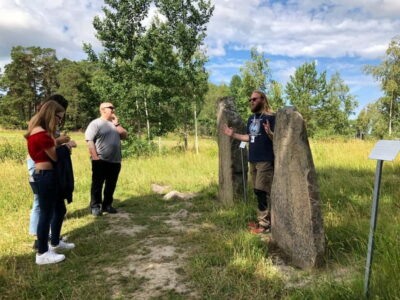
Stockholm Viking History Full Day Tour to Sigtuna + Uppsala
Read our review →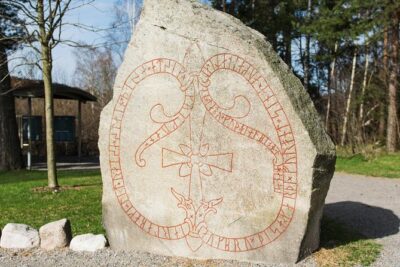
Viking History and Swedish Countryside Tour to Sigtuna & Uppsala
Read our review →
Viking History Small Group Tour from Stockholm: Half Day Including Sigtuna
Read our review →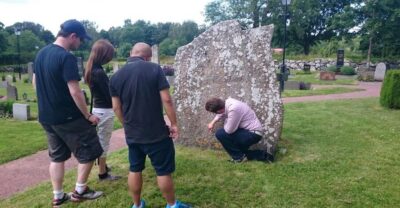
Private Full Day Viking History Tour from Stockholm Including Sigtuna and Uppsala
Read our review →Browse the lists this tour appears in