Reviewed · TOURS
Kiruna: Build your own igloo overnight Tour
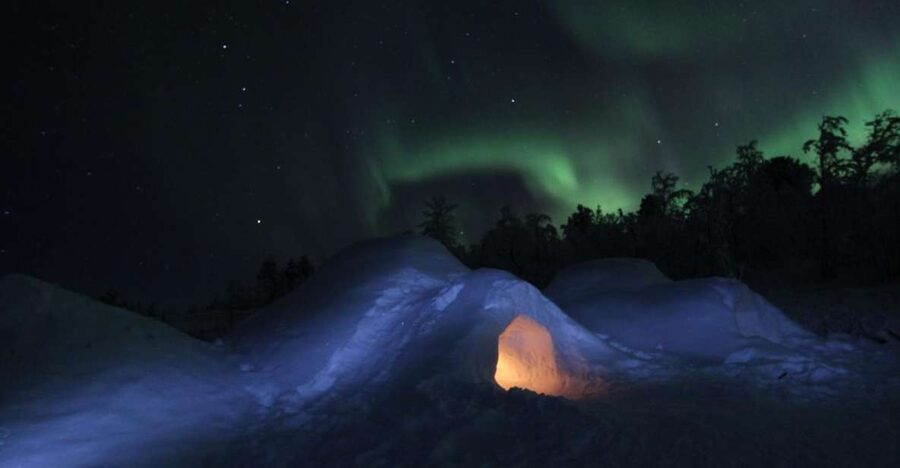
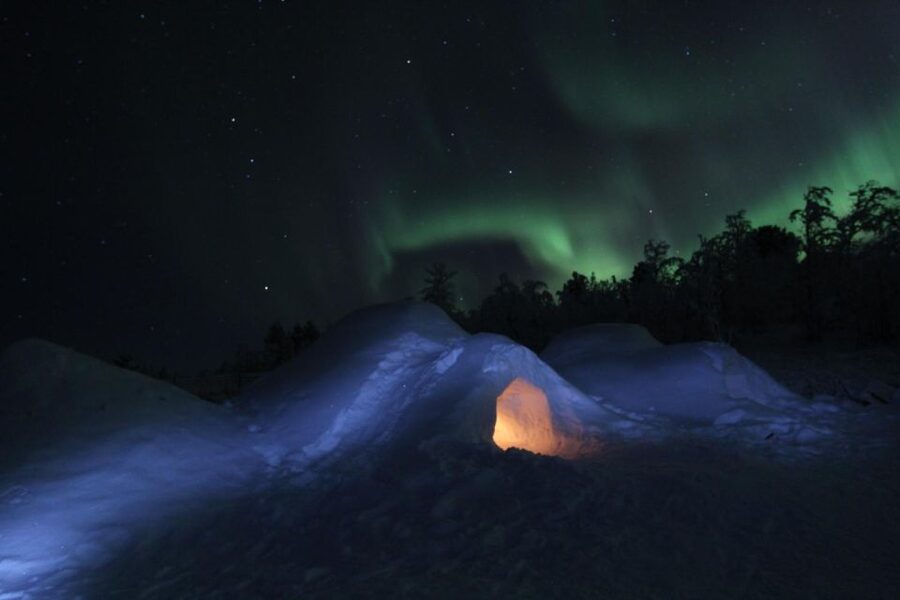
The main event here is wonderfully direct: you shovel and carve your own igloo, then spend the night inside it. This is not a polished hotel room with an Arctic theme. It is several hours of real work in the snow, followed by a quiet night in a shelter you made with your own hands.
I like the excellent cold-weather equipment and the small group, capped at nine people. I also like the evening in a Sami lavvu, where dinner is served beside an open fire, plus the chance to see the Northern Lights from the remote camp. The drawback is clear: building the igloo is physically demanding, and sleeping inside means you cannot stand upright.
In This Review
- Key points
- What the Kiruna igloo night is really about
- The 2:15 PM pickup from Kiruna
- Four hours of moving and shaping snow
- Warm clothing and the small-space test
- Dinner in a Sami lavvu by the fire
- Sleeping inside the igloo
- Breakfast, fire, and the dogs
- Is $326 a fair price?
- Who should book this Arctic challenge?
- Practical details before you reserve
- Should you book the Kiruna igloo night?
- FAQ
- Where does the igloo tour take place?
- How long does the experience last?
- Where can I be picked up in Kiruna?
- Is transport included?
- What winter clothing and sleeping equipment are provided?
- Do I have to build the igloo myself?
- Is the tour suitable for people with claustrophobia?
- Are meals included?
Key points
- Four hours of snow work: You move heavy snow, shape the walls, and carve out a place to sleep.
- A warm night in Arctic conditions: Sleeping bags, liners, mattresses, and winter clothing are supplied.
- Dinner by an open fire: The meal is served in a Sami lavvu, with Swedish food typically on the menu.
- A small English-speaking group: The maximum group size is nine, allowing plenty of hands-on instruction.
- Possible Northern Lights viewing: Kalixfors offers a dark setting when skies and solar conditions cooperate.
- Morning with 40 friendly dogs: Breakfast comes before time with the camp dogs and the ride back to Kiruna.
What the Kiruna igloo night is really about
This tour is best understood as a hands-on Arctic challenge, not simply an unusual place to spend the night. You arrive at a wilderness camp near Kalixforsbron, learn how to work the snow, and build the shelter that will protect you after dinner.
The reward is partly practical and partly personal. At the end of the afternoon, you can look at the igloo and know that it exists because you moved, packed, and carved the snow yourself. That sense of achievement is the heart of the experience.
The tour lasts about 20 hours, from an afternoon pickup in Kiruna to a return the next morning. You spend roughly four hours on camp work, one hour at dinner, about 12 hours in the overnight period, and another hour around breakfast and morning activities.
This schedule gives you time to slow down. You are not rushing from one Arctic photo stop to the next. You are working, eating, sleeping, and waking in the same remote place.
Other Sweden days worth booking alongside this:
- Stockholm: City Archipelago Sightseeing Cruise with Guide
★ 4.3 · 10,798 reviews - Stockholm: Skansen Open-Air Museum Admission Ticket
★ 4.5 · 3,427 reviews - Stockholm: Archipelago Boat Tour
★ 4.4 · 3,110 reviews
The 2:15 PM pickup from Kiruna
Pickup is available from four locations: Camp Ripan, Malmvägen 9B, Stora Coop, and Best Western Hotel Arctic Eden. Malmvägen 9B is the newer Kiruna Lapland Tourist Center, so make sure you know which address you selected.
The van ride to Kalixforsbron takes about 30 minutes. Pickup can run up to 10 minutes after the stated start time because the driver collects people from several spots around Kiruna’s old and new town areas.
The transfer is useful because you do not need to arrange your own transport into the wilderness. It also means you can arrive in town, leave the driving to someone else, and start the activity with the supplied winter kit.
Pickup is not offered from the Icehotel or from places outside Kiruna town. If you are staying at the Icehotel, you need to make your way to one of the listed Kiruna pickup points.
Four hours of moving and shaping snow
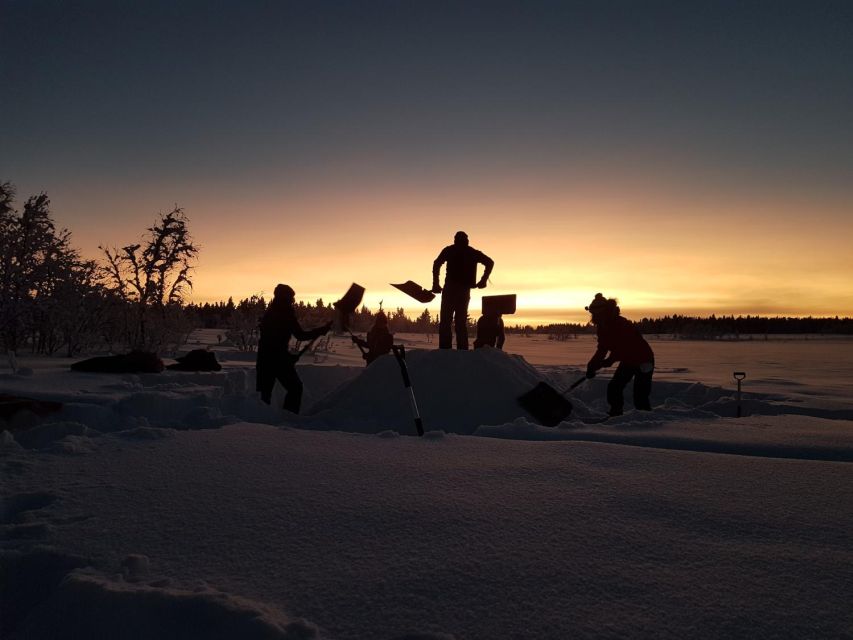
Once you reach the camp, the serious work begins. Your guide teaches you how to construct the igloo, then you help move snow and carve the inside of the shelter.
The physical effort is not a minor side activity. The tour specifically warns that you will be moving a lot of heavy snow in very cold conditions. You should be comfortable working for several hours outdoors and using your back, arms, and legs repeatedly.
The guide is there to show you the best method and keep the work organized. Kathleen, for example, was praised for giving clear instruction and keeping the group encouraged during the build. Luke was described as staying closely involved, helping with the construction and keeping the mood friendly.
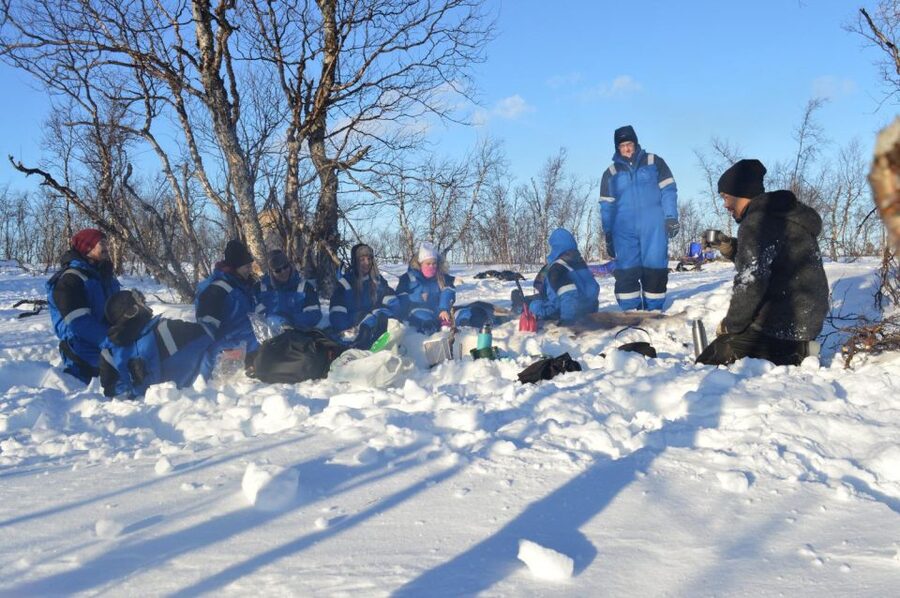
You should expect teamwork. An igloo is not built by casually scraping a little snow into a mound. The group has to keep working, take sensible breaks, and follow the guide’s direction. Snacks, fika, cookies, and lingonberry juice help keep your energy up during the afternoon.
The work also gives you a better sense of Arctic conditions than a quick snowmobile ride or a short photo stop. You feel the cold, learn how snow can be used as insulation, and see exactly how much effort goes into making a basic shelter.
Warm clothing and the small-space test
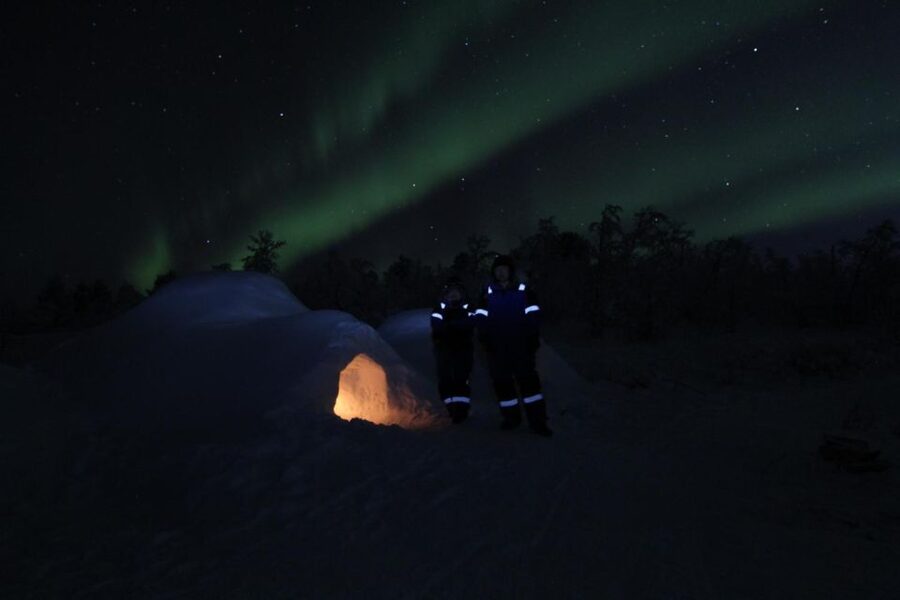
The operator provides winter overalls, socks, boots, mittens, hats, and a headtorch. For the night, you also receive a sleeping bag, inner liner, and mattress.
This supplied equipment is one of the strongest parts of the package. The warm clothing removes the need to rent every major item separately, while the sleeping kit makes the overnight stay possible in conditions that would otherwise be far too harsh for most people.
You should still dress in layers. Bring a balaclava or scarf, and use the layers to adjust your comfort as your activity level changes. You may feel warm while shovelling and need more insulation once you stop.
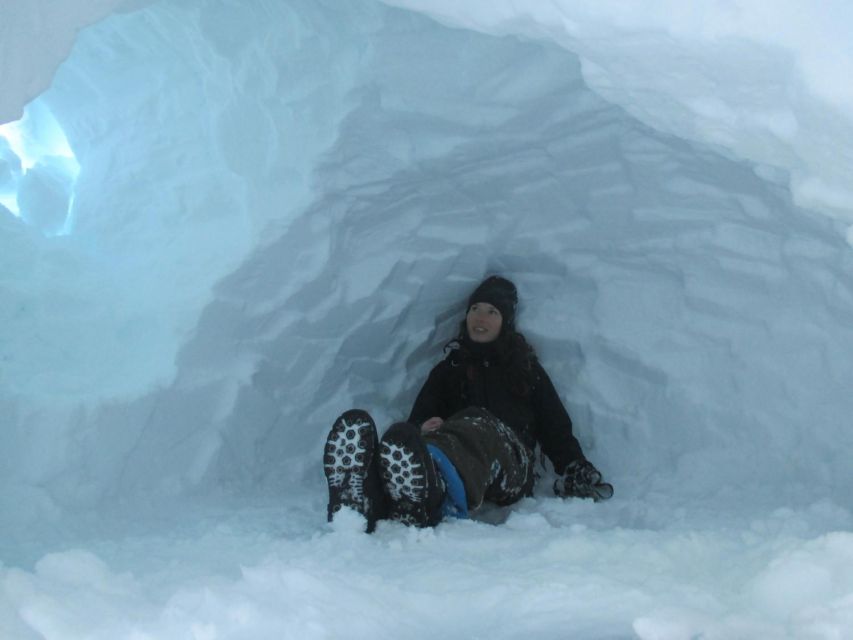
Think carefully about the sleeping space before booking. You cannot stand upright inside the igloo. If you have claustrophobia, dislike confined spaces, or simply need room to sit and move around, this may be the wrong Arctic overnight experience for you.
People with back problems, a low level of fitness, or other medical conditions that could make heavy work in extreme cold difficult should also avoid it. The experience is not suitable for children under 12 or people over 70.
The guide does not sleep in your igloo, so you should be ready to spend the night independently with the sleeping equipment provided.
Same city, a completely different kind of day:
- Stockholm: Highlights Boat Tour
★ 4.3 · 2,542 reviews - Stockholm Pass: Save up to 50% – Includes Vasa Museum Ticket
★ 4.1 · 2,392 reviews - Stockholm: Ghost Walk and Historical Tour
★ 4.7 · 2,206 reviews - Walking Tour of Stockholm Old Town
★ 5.0 · 1,175 reviews
Dinner in a Sami lavvu by the fire
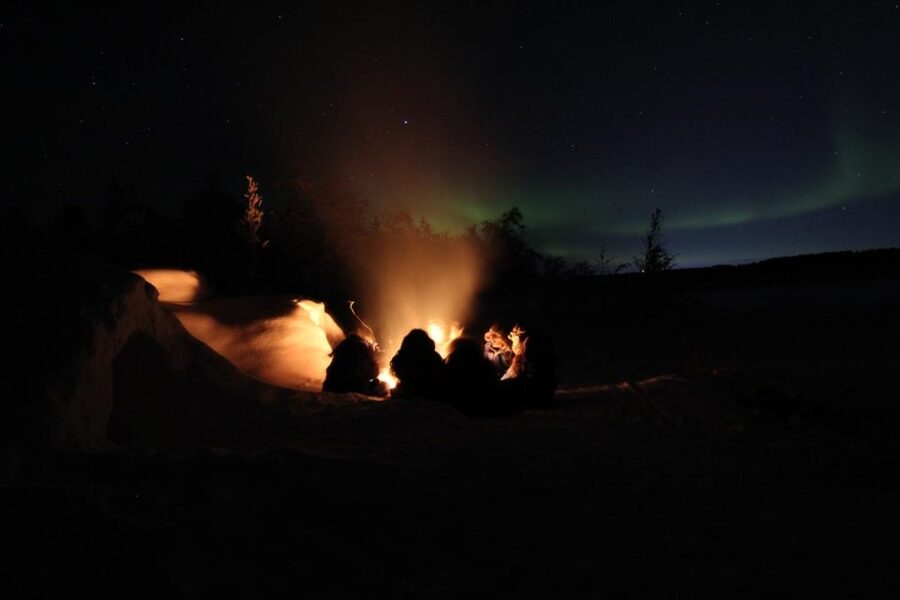
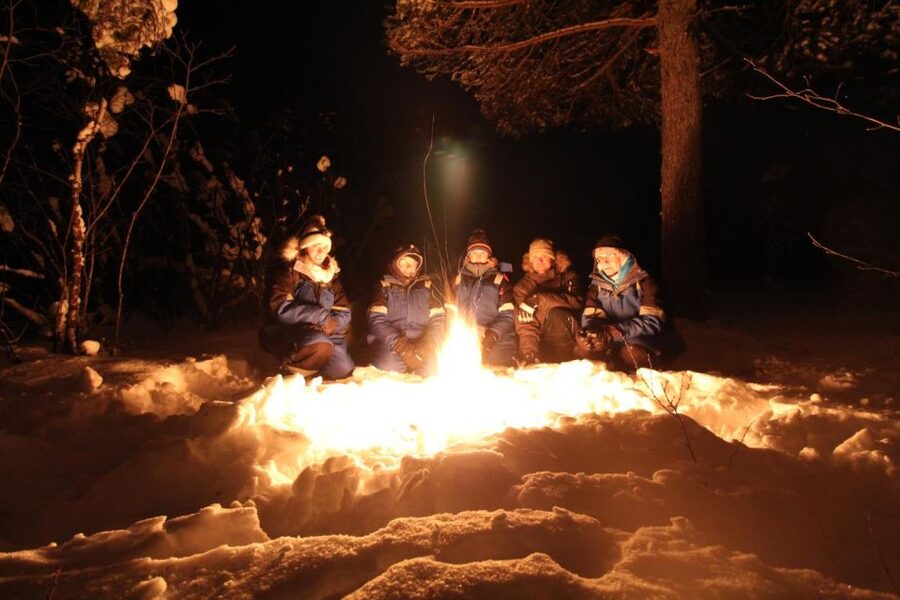
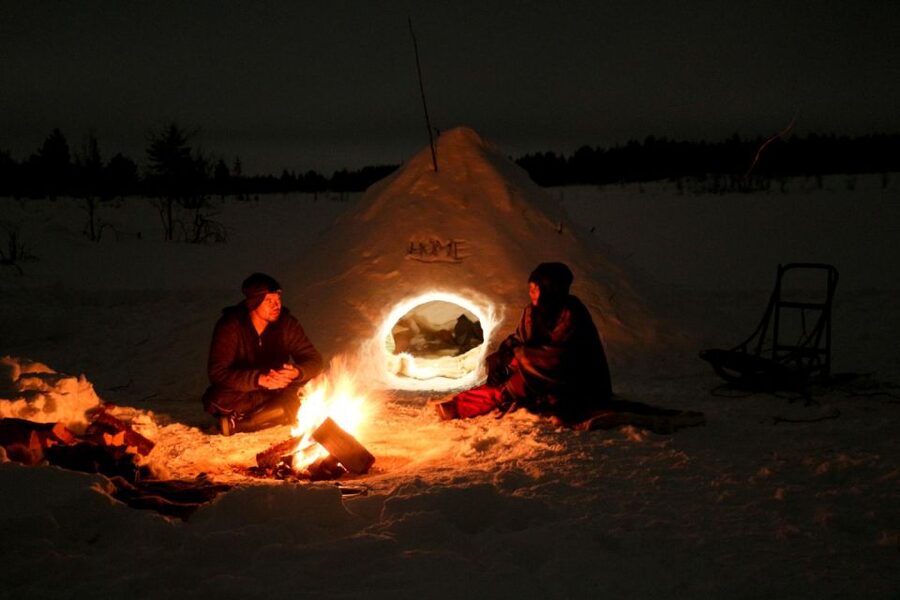
After the igloo is finished, you leave the cold work behind and gather in a Sami lavvu for dinner. A lavvu is a traditional cone-shaped shelter, and the open fire gives the evening a warmer, more social setting than eating inside the snow shelter.
Dinner is usually traditional Swedish food, served with snacks and fika included during the experience. The food matters here because it marks the change from work to rest. You have spent hours building a shelter, and now you can sit by the fire, eat a hot meal, and let your body warm up.
The food has been a well-liked part of the experience, with particular praise for the evening meal and the breakfast prepared the next morning. You should not expect a restaurant-style menu or a wide range of choices. The appeal is the setting, the fire, and the simple comfort of hot food in the Arctic.
If you have dietary concerns, the supplied information does not specify how special diets are handled. Ask the operator before booking if this is important to you.
Sleeping inside the igloo
The sleeping arrangement is simple. You have a mattress, inner liner, and Arctic sleeping bag, and you sleep inside the igloo you helped build.
The snow walls provide shelter, while the sleeping system supplies the warmth. Several people have found the night warm, even if comfort levels varied. That distinction is important: you are unlikely to choose this for a spacious or luxurious bed.
One person found the igloo itself comfortable and slept well. Another enjoyed the warmth but found the sleeping position less comfortable. Both reactions are reasonable. You should expect a memorable night in a compact shelter, not the same ease you would have in a hotel bed.
Use the sleeping bag correctly and follow the guide’s instructions when preparing the igloo. The provided mattress and reindeer skin, mentioned as part of the sleeping setup, add insulation from the snow beneath you.
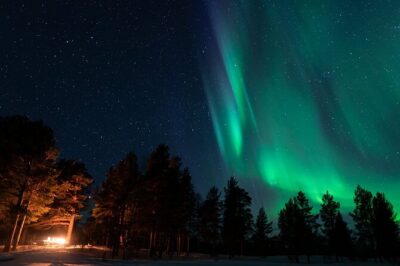
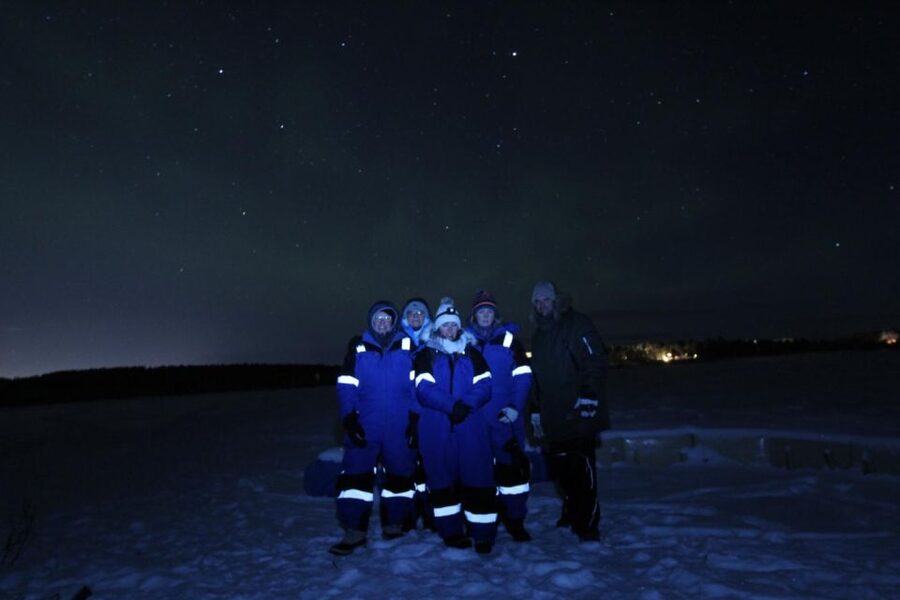
The camp’s remote setting also gives you a chance to watch the sky. If the weather is clear and solar activity is favorable, you may see the Northern Lights. This is a possibility, not a promise. Cloud, timing, and solar conditions remain outside anyone’s control.
Even without aurora, the overnight period offers something valuable: a quiet break from Kiruna’s town lights and a chance to experience the Arctic after dark.
Breakfast, fire, and the dogs
Morning begins with breakfast in the lavvu beside the open fire. Pancakes and lingonberry juice have been served, though the exact breakfast can vary.
This is a welcome end to the night. You wake in the igloo, pack away the sleeping gear, and return to a warm shelter for food and conversation. The meal also gives you time to warm up before the final camp activity.
You then have time with around 40 friendly dogs. This is not the main focus of the tour, but it adds a lively finish after the quiet night in the igloo. If you are fond of dogs, it may be one of the most enjoyable parts of the morning.
Animal allergies are listed as a reason not to take this tour. The dogs are part of the camp setting, so this is not a suitable choice if close contact with them could cause a problem.
The van leaves at about 10 AM and returns you to the same general Kiruna pickup area. Drop-off options include Stora Coop, Malmvägen 9B, Camp Ripan, and Best Western Hotel Arctic Eden.
Is $326 a fair price?
At $326 per person, this is an expensive overnight activity, but the price includes more than a guided snow-building session. You receive town transfers, winter clothing, boots, sleeping equipment, instruction, dinner, breakfast, snacks, and fika.
You are also paying for a full 20-hour program in a very small group. The maximum of nine people helps the guide give practical advice during the igloo build, which matters more here than it would on a standard sightseeing tour.
The value depends on what you want from Kiruna. If you mainly want a comfortable Northern Lights evening, there are easier ways to spend the money. If you want an active, unusual overnight with food, transport, equipment, and a genuine task to complete, the package is more defensible.
The provided gear also saves you from buying or renting a full Arctic kit. Still, the overnight shelter is basic, and you should not compare the price with a hotel room. Compare it with a guided wilderness program that combines instruction, meals, transport, and a night outdoors.
Who should book this Arctic challenge?
I would recommend it to fit adults who enjoy practical activities and do not mind getting tired. You should be happy carrying and shovelling snow, following instructions, sharing the work with a small group, and sleeping in a low shelter.
It suits people who want more than a photograph of the Arctic. You build something, use it, and spend the night inside it. That gives the experience a clear purpose from beginning to end.
It is also a good option for anyone who wants a possible Northern Lights setting without committing to a long expedition. The dark camp near Kalixfors gives you an opportunity to look up after dinner, while the guide and equipment keep the rest of the evening organized.
I would not choose it for a first night in the Arctic if you are worried about cold, heavy physical work, animals, or confined spaces. A warm hotel and a shorter aurora outing would be a better fit.
You can also pair it with the Kiruna Husky day tour, which begins the next morning from 9 AM to 2 PM. That creates a longer Arctic program, but it also means an early start after a night in the igloo. Plan your energy carefully.
Practical details before you reserve
The tour is conducted in English, with a live guide and a small group limited to nine people. Check the starting time when booking, since availability can vary.
Cancellation is free up to 24 hours before departure, and you can reserve now and pay later. These terms help if your Kiruna plans are still changing, but they do not remove the need to assess your fitness and comfort with the activity.
Bring a scarf or balaclava, dress in layers, and arrive at the pickup point by the stated time. Wear the supplied gear as directed, and tell the guide early if you need help adjusting your clothing or sleeping setup.
Most important, book this for the work as much as for the night. The igloo does not appear by magic, and the effort is what gives the overnight stay its meaning.
Should you book the Kiruna igloo night?
Book it if you want a hands-on Arctic story to take home: you built the shelter, ate beside an open fire, slept under snow walls, and woke to breakfast and friendly dogs.
Skip it if you want comfort, easy sightseeing, or a guaranteed Northern Lights display. The experience is demanding, the sleeping space is tight, and the aurora depends on nature.
For the right person, this is a memorable use of one night in Kiruna. The warm equipment, capable guides such as Luke and Kathleen, hot meals, and small group make the hard work manageable. Just make sure you are choosing an Arctic challenge, not pretending to book an igloo hotel.
FAQ
Where does the igloo tour take place?
The activity takes place in the remote wilderness near Kalixforsbron, outside Kiruna.
How long does the experience last?
The full experience lasts about 20 hours, with pickup at approximately 2:15 PM and return to Kiruna at about 10 AM the next morning.
Where can I be picked up in Kiruna?
Pickup is available from Camp Ripan, Malmvägen 9B, Stora Coop, and Best Western Hotel Arctic Eden.
Is transport included?
Yes. A van transfer from Kiruna to Kalixforsbron and a return transfer to Kiruna are included.
What winter clothing and sleeping equipment are provided?
You receive winter overalls, socks, boots, mittens, hats, and a headtorch. Sleeping equipment includes a sleeping bag, inner liner, and mattress.
Do I have to build the igloo myself?
You build your own igloo with instruction from the guide. The work includes moving heavy snow and carving out the shelter over several hours.
Is the tour suitable for people with claustrophobia?
No. You cannot stand upright inside the igloo, so the tour is not recommended for people with claustrophobia.
Are meals included?
Yes. Dinner, breakfast, snacks, and fika are included. Dinner and breakfast are typically served in a Sami lavvu beside an open fire.
Just added around Sweden
- World War II Stockholm Old Town Walking Tour and Army Museum★ 4.6 · 4 reviews
- West Sweden: Sea Kayak Delight in Nature Reserves★ 5.0 · 6 reviews
- Wilderness Tour with Snowmobile & Ice Fishing★ 4.9 · 28 reviews
- Stockholm: Archipelago Guided Boat & Walking Tour of Vaxholm★ 3.1 · 23 reviews
- Stockholm: Underground Metro Art Ride with a Local Guide★ 4.6 · 39 reviews
- Vaxholm & Stockholm Archipelago: Guided Excursion, Day Trip★ 4.8 · 41 reviews
- Uppsala Must See 2h city walk – 2h tour of all big attractions!★ 5.0 · 4 reviews
- Self-Guided Audio Walking Tour Through Kurt Wallander’s Ystad★ 3.5 · 12 reviews
Tours, compared.



The Original Stockholm Ghost Walk and Historical Tour – Gamla Stan
Read our review →