
Reviewed · WALKING TOURS
Magical ”Stockholm by Night” Photo Walk
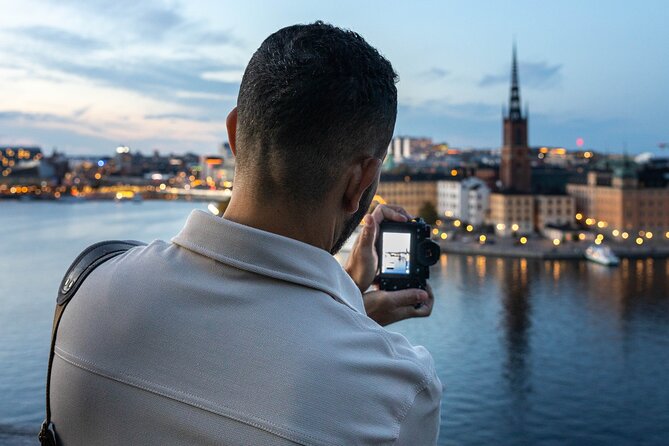
Stockholm is at its most photogenic just after sunset, when the last blue light hangs over the water and lamps begin to glow in the windows. On this private two-hour photo walk, Julien of JP Photo helps you turn that brief, tricky period into strong city photographs, then keeps working with you as night takes over.
I like the one-to-one instruction, since Julien can adjust the pace and camera advice to your level. I also like the route’s practical shape: you meet at Slussen, work through scenic viewpoints and less obvious corners, and finish in Old Town. The main drawback is simple: you must bring your own camera or phone, and a tripod is recommended but not included.
In This Review
- Key points to know before booking
- Why Stockholm’s Blue Hour matters
- Starting at Slussen, where the city opens to the water
- Learning to photograph a city after dark
- From city views to quieter corners
- A private format that changes the pace
- English or German guidance with Julien
- What to bring for a better evening
- Who will get the most from this walk
- Practical details that affect your choice
- Should you book the Stockholm by Night Photo Walk?
- FAQ
- Where does the Stockholm by Night Photo Walk begin?
- Where does the walk finish?
- How long does the experience last?
- What time does the tour start?
- What languages are available?
- Is this a private tour?
- Do I need advanced photography skills?
- Is a tripod included?
- What equipment should I bring?
Key points to know before booking
- Blue Hour is the starting point: You photograph Stockholm while daylight fades, water reflects the last colour, and the city lights come on.
- Private guidance with Julien: The route and instruction are adapted to your skill level and interests.
- Long exposure is a main skill: You learn to use movement and light trails as creative parts of the picture.
- Slussen to Old Town: The walk begins at Stadsmuseet by Slussen subway station and ends in the historic center.
- Useful equipment matters: Bring a charged camera or phone, comfortable shoes, and consider bringing a tripod.
- A follow-up guide is included: After the walk, you receive the Skyline Stories city photography ebook.
Why Stockholm’s Blue Hour matters
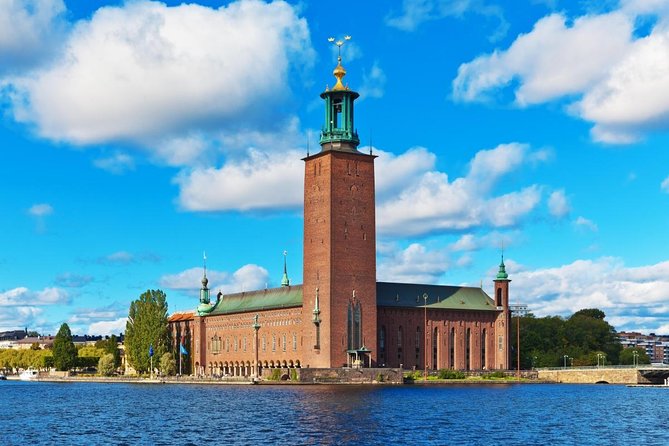
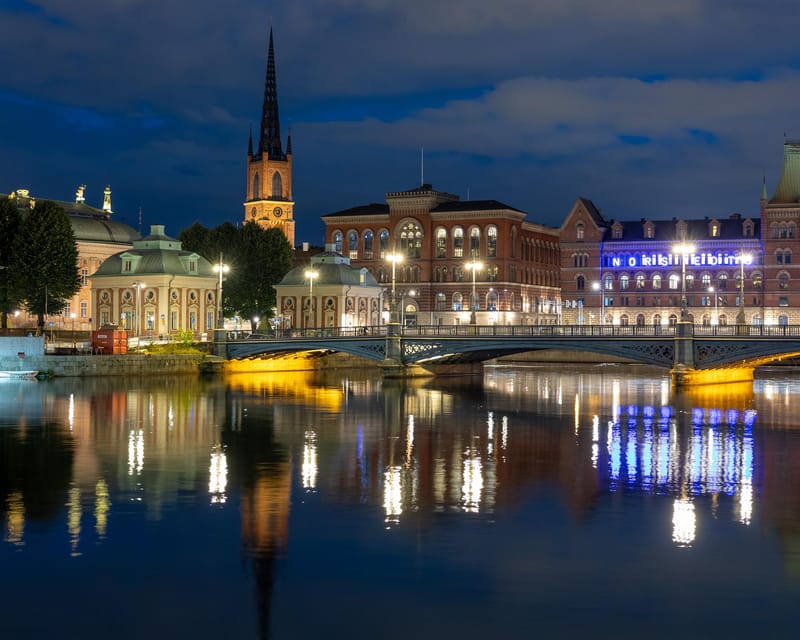
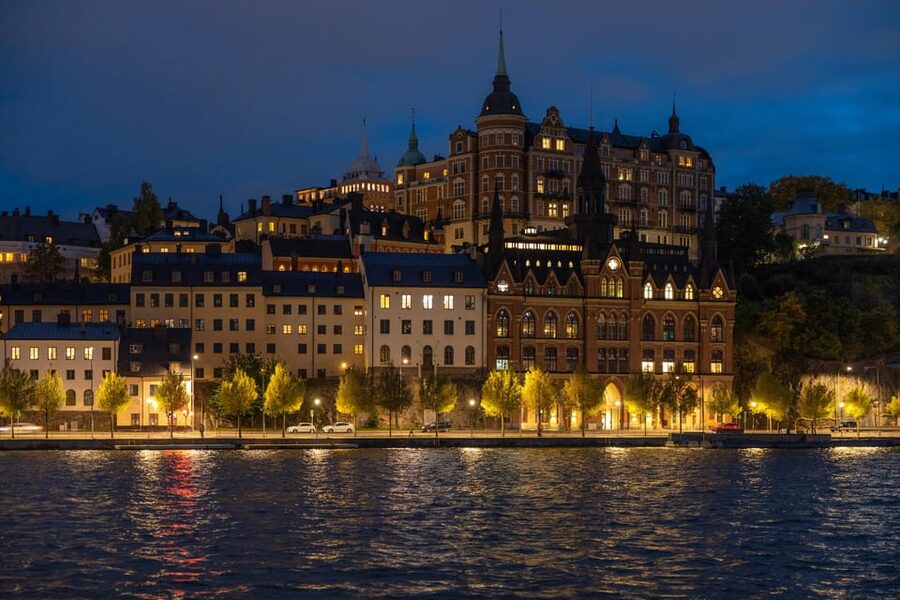
The strongest feature of this experience is its timing. Blue Hour is the short period after sunset before the sky turns fully dark. Stockholm’s water, pale buildings, lit windows, and street lamps can all register in one frame during this window.
That balance is useful for photography. A fully dark sky can make bright lamps look harsh and leave buildings as black shapes. During Blue Hour, the sky still carries colour, while artificial lights add warmth and detail. You get more to work with, and the city looks less like a collection of isolated lights.
The exact starting time changes with the season, so you need to check availability for your date. In practical terms, you should arrive ready to shoot rather than treating the first few minutes as setup time. Blue Hour does not wait while you search through camera menus.
Julien’s role is to help you use the changing light instead of simply pointing out a pretty view. You learn how to look for reflections, balance bright and dark areas, and frame the city so the picture has a clear mood. You do not need advanced technical knowledge, but you do need curiosity and a willingness to try settings you may not normally use.
A few more Stockholm trips to weigh up
- Stockholm: Ghost Walk and Historical Tour
★ 4.7 · 2,206 reviews - Walking Tour of Stockholm Old Town
★ 5.0 · 1,175 reviews - The Original Stockholm Ghost Walk and Historical Tour – Gamla Stan
★ 4.5 · 1,165 reviews
Starting at Slussen, where the city opens to the water
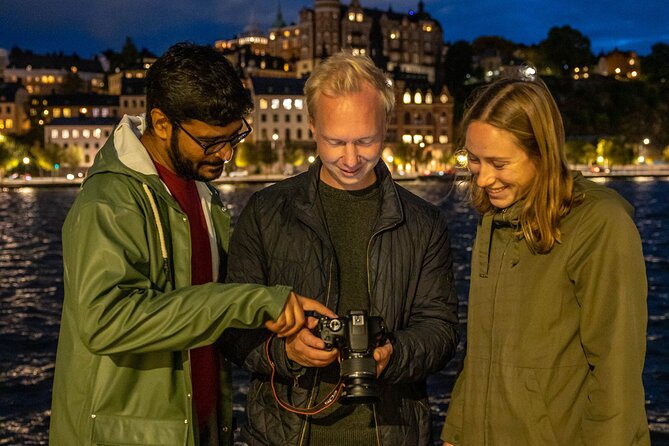
The meeting point is directly in front of Stockholm’s city museum, Stadsmuseet, at Slussen subway station. This is a practical place to meet because it is easy to identify and places you at the start of a route toward Old Town.
Slussen also gives the walk a useful visual beginning. This part of Stockholm connects the island of Södermalm with Gamla Stan, and the water helps create the reflections that make evening photography so appealing. From here, the route can use open viewpoints and changing angles rather than keeping you in one narrow street.
The precise stops are tailored to your interests and experience level. That means you should tell Julien what you want to photograph. You might care most about skyline views, reflections, architecture, people in motion, or learning how to use your phone at night. The supplied information does not promise a fixed list of stops, so the private format matters more than a printed route.
You should also expect some walking on city streets and paths. Comfortable shoes are listed as essential, and that is sensible advice for a two-hour outing that ends in Old Town. Headlamps are provided, which can help in darker parts of the route, but they do not replace sensible footwear or a charged device.
Learning to photograph a city after dark
Night photography can expose weaknesses in both equipment and technique. Handheld shots may blur, bright signs can lose detail, and the camera may choose settings that produce a dull or shaky image. The purpose of this walk is to make those problems manageable.
You learn how to keep night images sharp, how to work with low light, and how to use composition when the city itself supplies the illumination. Julien can give individual guidance rather than general advice meant for a large group. If you already know the basics, you can spend less time on camera controls and more time shaping a particular image. If you are new to night photography, you can ask questions as they arise.
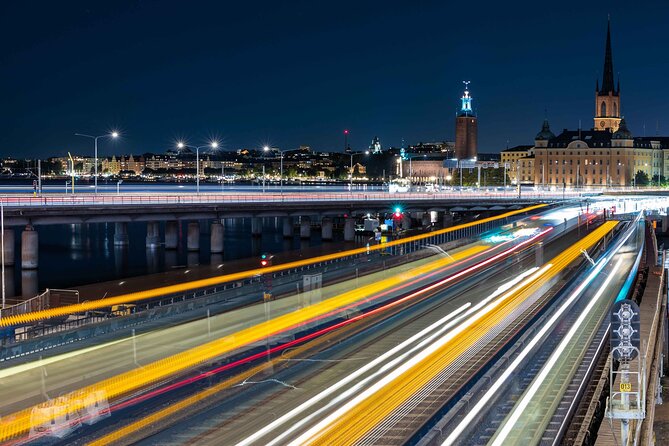
One central lesson is long exposure. With the camera held steady, a longer exposure can turn moving lights into lines and make water appear smoother. This is often called painting with light, but the idea is quite practical: movement becomes part of the composition instead of a flaw to remove.
A tripod is recommended. It is not included, so you need to bring your own if you want to work seriously with long exposures. A phone can also be used, but its results will depend on the model and its night settings. The experience promises instruction with a camera or phone, not loaner equipment.
You should bring a charged smartphone even if you plan to use a dedicated camera. It may be useful for communication, reference, or taking advantage of phone photography features. The key point is to arrive with the device you want to use, ready to work.
From city views to quieter corners
The walk is designed to go beyond standard postcard pictures. Julien takes you to scenic viewpoints and less familiar corners, using the city’s changing light to create photographs with depth and atmosphere.
A viewpoint gives you scale. Water, rooftops, bridges, and lit buildings can help establish where you are. A smaller corner offers a different kind of picture, with a doorway, a narrow passage, a reflection, or a patch of light becoming the main subject. The route can shift between these two types of scene, which keeps the evening from becoming a string of similar skyline shots.
You should not expect a sightseeing tour with a long historical talk at every stop. Local insight into Stockholm and Swedish culture is included, but the main focus is photography. That balance suits you if you want to understand the city while making pictures, not simply stand in front of famous sights while someone recites dates.
The route ends in Old Town. This gives the outing a clear finish and leaves you in one of Stockholm’s most atmospheric areas, though no further tour activity is promised after arrival. If you have dinner plans, check the timing and allow for the walk to finish before making a tight reservation.
Same city, a completely different kind of day:
- Stockholm: City Archipelago Sightseeing Cruise with Guide
★ 4.3 · 10,798 reviews - Stockholm: Skansen Open-Air Museum Admission Ticket
★ 4.5 · 3,427 reviews - Stockholm: Archipelago Boat Tour
★ 4.4 · 3,110 reviews - Stockholm: Highlights Boat Tour
★ 4.3 · 2,542 reviews
A private format that changes the pace
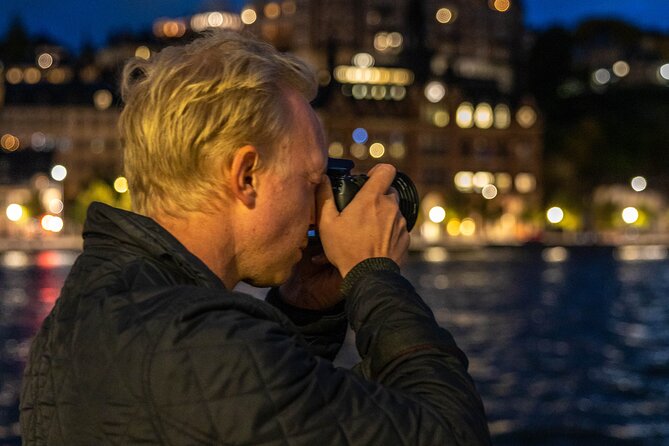
This is a private group experience, which is important at $155 per person. You are not paying for a large group sightseeing loop. You are paying for personal instruction, a route adapted to your level, and the chance to ask for help exactly when you need it.
The value is strongest if photography is a real interest. A casual phone user can learn how to use night mode, frame reflections, and notice the effect of movement. An experienced photographer can ask more specific questions about long exposure, light, composition, and mood. The guide’s ability to adjust matters more in a private setting than the number of sights covered.
The price is harder to justify if you only want a guided evening stroll. You will spend much of the two hours stopping to set up, review, and change your approach. That is the point of the experience, but it means the walk is not designed for someone who wants to cover a large part of Stockholm quickly.
The high rating is supported by the details of the feedback available. Chanhyeok, who came alone, singled out the useful photo spots and the chance to learn how to photograph them. A French participant specifically praised Julien’s ability to adapt to the group’s photography level and take them to unfamiliar viewpoints. Gerald summed up the appeal more simply: a beautiful route and good tips.
Those comments point to the strongest reason to book: you get help seeing Stockholm as a photographer, not only as a sightseeing stop. The instruction is personal, and the route is not treated as one fixed script.
English or German guidance with Julien
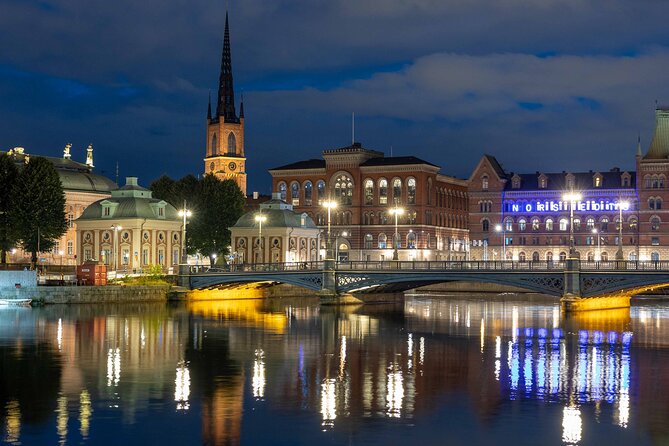
The experience is offered in English and German. Julien is identified in the available feedback, and his role combines professional photography with guiding around Stockholm.
That combination is useful because the best photo advice often depends on place. A technical explanation has more value when it is tied to the actual water, skyline, lamps, and street conditions in front of you. You can learn why a viewpoint works, not just which camera button to press.
If you are unsure of your skill level, do not let that stop you. The walk is intended for people without advanced technical knowledge. Bring questions and be ready to experiment. The private format means the session can be shaped around what you already understand.
The language choice is limited to English and German, so you should select the option in which you can comfortably discuss camera settings and composition. That will make the instruction more useful than choosing a language in which you only manage basic conversation.
What to bring for a better evening
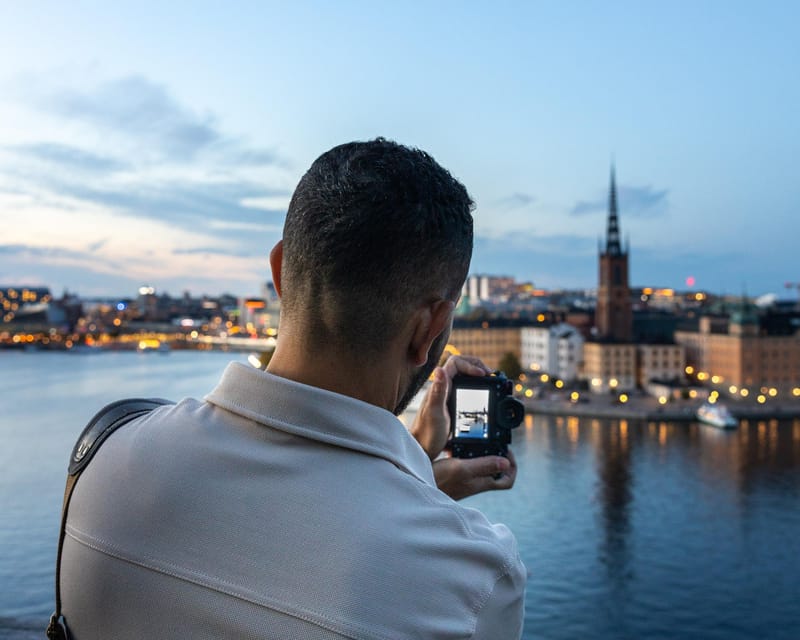
Your equipment choices will affect how much you get from the walk. The essentials are straightforward:
- A camera or phone you know how to operate
- A fully charged smartphone
- Comfortable shoes
- A tripod if you want to make the most of long exposures
You do not need advanced gear to take part. Still, a tripod gives you more control in low light. It lets you use slower shutter speeds without relying on your hands, especially when you want smooth water or light trails.
Headlamps are included. They are a thoughtful touch for darker sections, though you should still dress for an evening outdoors and check the weather yourself before setting out. The provided information does not specify clothing, so layers are a sensible personal choice rather than a stated tour requirement.
After the walk, you receive a link to Skyline Stories, a city photography ebook with tips on composing urban images. This makes the experience more useful after the evening ends. You can return to the advice when you are editing the pictures from Stockholm or photographing another city at home.
Who will get the most from this walk
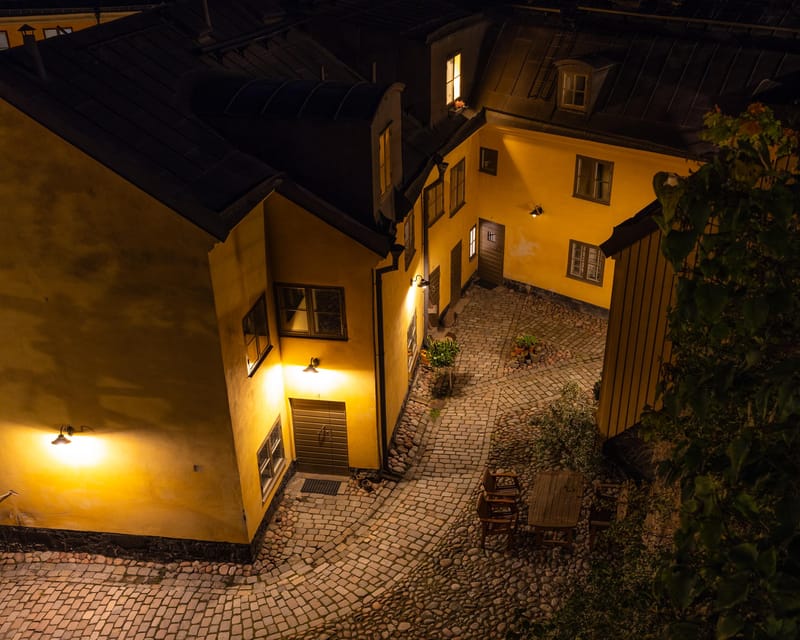
I would recommend this experience most strongly to you if you want better night photos and prefer individual help. It suits a solo photographer, a couple with a shared interest, or a small private group that wants the route adjusted to its own pace.
It is also a good match if you have taken plenty of daytime city pictures but struggle once the light drops. Blue Hour and long exposure offer clear skills to practice, and the city provides a strong setting for doing so.
You may find it less suitable if you dislike stopping often, carrying a tripod, or thinking about camera settings. The walk is not simply about seeing Stockholm at night. It asks you to create images, test ideas, and sometimes repeat a shot until the result improves.
Wheelchair access is listed, but the available details do not describe the exact surface or route conditions at every point. If you use a wheelchair, confirm the route details before booking so the private itinerary can be matched to your needs.
Practical details that affect your choice
The experience lasts two hours. You meet at Stadsmuseet, directly by Slussen subway station, and finish in Old Town. Check the available start times because the best opening light changes throughout the year.
The price is $155 per person. For a private photography lesson and guided city walk, that can be fair value if you want to learn a skill rather than simply collect snapshots. It is less compelling if your main goal is a free evening walk through central Stockholm.
You can cancel up to 24 hours in advance for a full refund, and you can reserve now and pay later. Those terms help if your Stockholm plans are still shifting, but they do not change the need to choose a start time that matches Blue Hour.
Should you book the Stockholm by Night Photo Walk?
Book it if you want personal photography coaching, a route between Slussen and Old Town, and a chance to work with reflections, glowing windows, movement, and long exposure. The strongest parts are the private format, Julien’s adaptable instruction, and the focus on photographs you can keep using as practice.
Think twice if you only want a short sightseeing walk or if you do not plan to bring a camera or phone. You also need to decide if the $155 price makes sense for your goals. For someone who wants to leave Stockholm with better night photography skills and more deliberate pictures, this is a focused way to spend two hours.
FAQ
Where does the Stockholm by Night Photo Walk begin?
You meet directly in front of Stockholm’s city museum, Stadsmuseet, at Slussen subway station.
Where does the walk finish?
The walk ends in Stockholm’s Old Town.
How long does the experience last?
The photo walk lasts two hours.
What time does the tour start?
Starting times vary. You need to check availability for your chosen date.
What languages are available?
The live guide is available in English and German.
Is this a private tour?
Yes. It is a private group experience, with a route adapted to your experience level and interests.
Do I need advanced photography skills?
No. Advanced technical knowledge is not required. You need to bring your own camera or phone and be ready to learn.
Is a tripod included?
No. A tripod is recommended, especially for long exposure photography, but you must bring your own.
What equipment should I bring?
Bring a camera, a charged smartphone, and comfortable shoes. Headlamps are provided.
Just added around Stockholm
- World War II Stockholm Old Town Walking Tour and Army Museum★ 4.6 · 4 reviews
- Stockholm: Archipelago Guided Boat & Walking Tour of Vaxholm★ 3.1 · 23 reviews
- Stockholm: Underground Metro Art Ride with a Local Guide★ 4.6 · 39 reviews
- Vaxholm & Stockholm Archipelago: Guided Excursion, Day Trip★ 4.8 · 41 reviews
- Wolf and Wildlife Tracking in Sweden★ 5.0 · 9 reviews
- Scandinavian Art, Architecture and Design Tour in Stockholm★ 4.5 · 11 reviews
- Private Tour: Swedish History Day Trip to World Heritage Candidate Markim-Orkesta from Stockholm★ 5.0 · 8 reviews
- Walking Tour of Stockholm’s City Center★ 4.5 · 26 reviews
Walking Tours, compared.
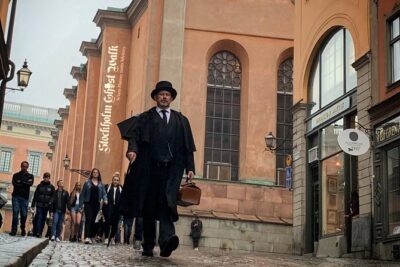
The Original Stockholm Ghost Walk and Historical Tour – Gamla Stan
Read our review →
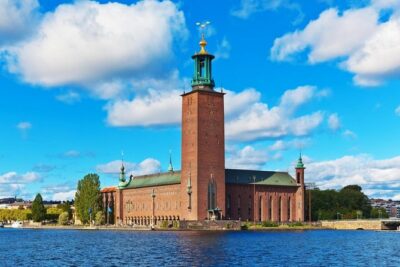
Best of Stockholm Walking Tour-3 Hours, Small Group max 10 people
Read our review →
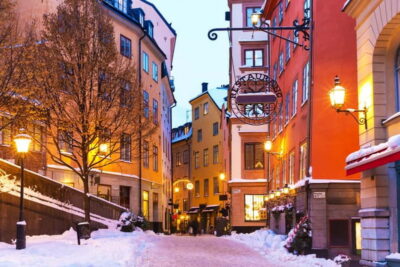
Old Town Guided Walking Tour (English / Deutsch)
Read our review →Browse the lists this tour appears in