
Reviewed · MUSEUMS
Malmö: Disgusting Food Museum Entrance Ticket
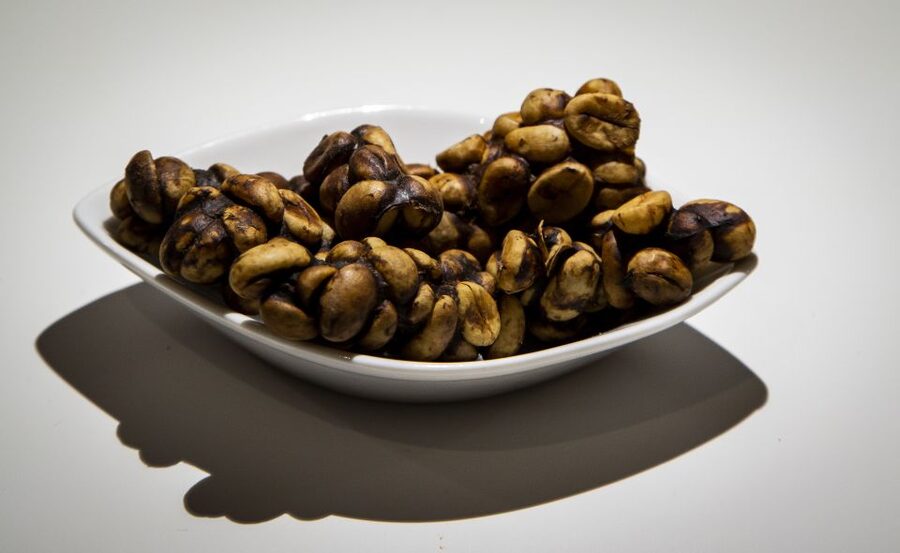
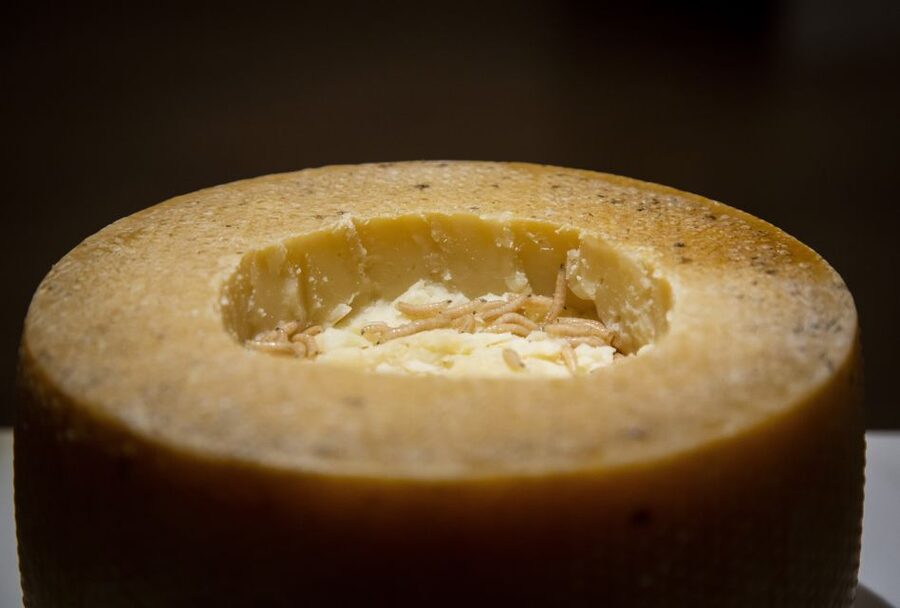
Malmö’s Disgusting Food Museum turns the foods most people avoid into a curious, hands-on lesson about culture, biology, and personal taste. You’ll smell jars of notorious foods, inspect displays such as Sardinian maggot cheese and taxidermied guinea pigs, then face a tasting bar stocked with dried insects, fermented shark, and surströmming.
I like the way the staff explain each sample before you try it, including its smell, texture, and flavor. I also like the playful details, from the vomit-bag admission ticket to the photo booth where you pose while sniffing foul odors. The main drawback is clear: the museum is small, and the tasting bar can form a bottleneck when it is busy.
In This Review
- Key points before you go
- A museum that starts with your nose
- The vomit bag entrance sets the mood
- Smelling the world’s foulest foods
- Strange objects, photos, and food culture
- The tasting bar is the real test
- What the foods actually teach you
- How long to allow and how to plan the visit
- The gift shop goes all the way
- Who will enjoy this experience
- Is the $24 ticket good value?
- My final take on Malmö’s food challenge
- FAQ
- How long does the museum visit take?
- What foods can I taste?
- Is the tasting included in the ticket price?
- Is the experience offered in English?
- Is the museum wheelchair accessible?
- Can children visit the museum?
Key points before you go
- Your entrance ticket is a vomit bag: The joke begins at the door and sets the tone for the whole visit.
- The tasting bar is included: You can try dried insects, stinky cheeses, fermented shark, and surströmming without paying extra.
- Plan on about 90 minutes: The museum is compact, but tasting and waiting at the bar can extend your visit.
- The smells are real: Some jars and displays are built to challenge your nose before they challenge your appetite.
- English-speaking staff guide the tasting: Allergies are clearly marked, and you are not forced to try anything.
- It suits curious eaters, not sensitive stomachs: Some images, animal products, and food displays can be upsetting.
A museum that starts with your nose
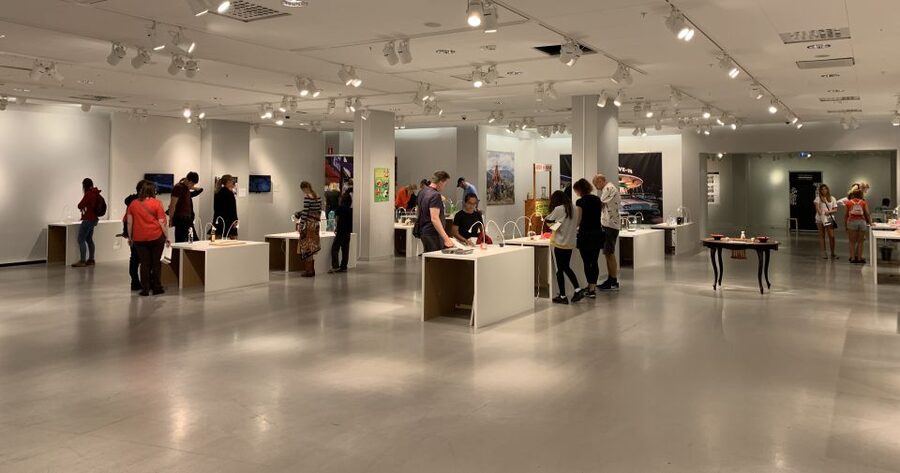
The first surprise is that this is not simply a room full of odd dishes. The museum uses disgust as its subject. You begin by reading about why humans reject certain smells, textures, animals, and food habits, then move through examples from different parts of the world.
That idea gives the visit more purpose than a simple gross-out attraction. Foods that seem revolting to you may be prized elsewhere, while familiar dishes can look strange when placed in a different cultural setting. The museum asks you to notice how much of disgust comes from upbringing, habit, smell, and expectation.
You will see photos, videos, and physical objects. Some displays are funny. Others are unsettling. The material includes animal products and images that may trouble vegans, vegetarians, and anyone uncomfortable with sensitive food subjects. Children can enter, but only with adult supervision.
The museum is at Södra Förstadsgatan 2 in Malmö. The experience is easy to add to a day in the city because it does not take an entire afternoon. The usual visit lasts about an hour and a half, though the tasting bar may slow you down.
A few more Malmo trips to weigh up
- Skip the Line: Disgusting Food Museum Entrance Ticket
★ 5.0 · 359 reviews - Malmö: Self-Guided Food Tour
★ 4.5 · 18 reviews - The Nordic Food Walk Stockholm
★ 4.5 · 642 reviews
The vomit bag entrance sets the mood
At the entrance, your ticket comes in the form of a vomit bag. It is a silly touch, but it tells you exactly what kind of place you have entered. You are not here for polished food photography or conventional museum displays.
The staff check your booked time and name, then let you in. The printed entry time is only an indication, and the ticket is valid for the entire day. That gives you useful flexibility if you want to visit between other stops in Malmö.
The museum is wheelchair accessible. The host language is English, so you can follow the explanations and ask questions without needing to know Swedish. Groups are limited to eight people, although the museum itself can still feel crowded when several small groups reach the tasting area at once.
Smelling the world’s foulest foods
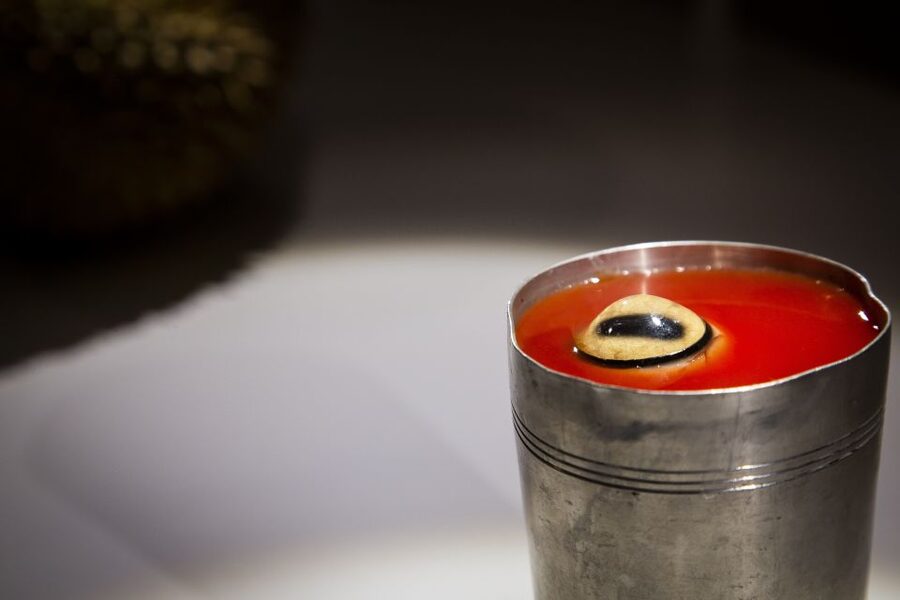
The smell jars are among the museum’s most direct challenges. Instead of merely reading about a notorious food, you can put your nose near a container and find out what the fuss is about.
This section is useful because smell often explains a food’s reputation better than a photograph. Fermentation, decay, preserved fish, and strong cheese can produce aromas that overpower the flavor itself. You might discover that a food you expected to hate is manageable once you understand its preparation. You might also decide that the smell is enough.
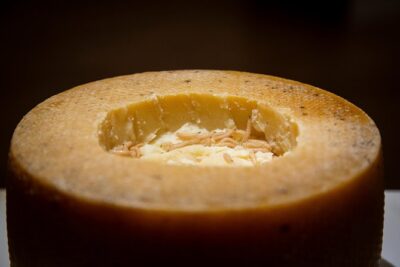
The display includes some of the world’s strongest and strangest foods. Sardinian Casu Marzu, a cheese associated with live maggots, is one of the memorable examples. Fermented shark from Iceland offers another lesson in how preservation methods can produce a food that is famous far beyond its home country.
Do not rush this section. Read the short explanations before trying the smells. The point is not simply to suffer. It is to see how food customs develop and why a dish can be normal in one place and revolting in another.
Strange objects, photos, and food culture
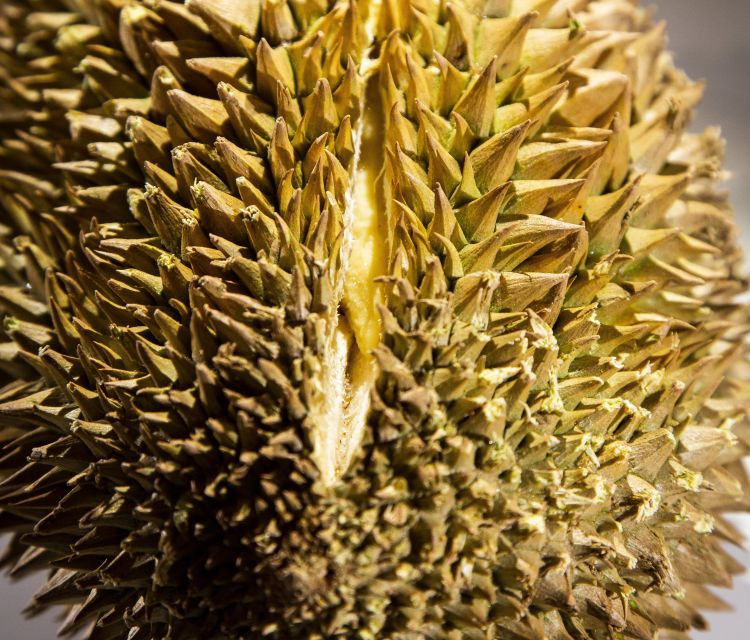
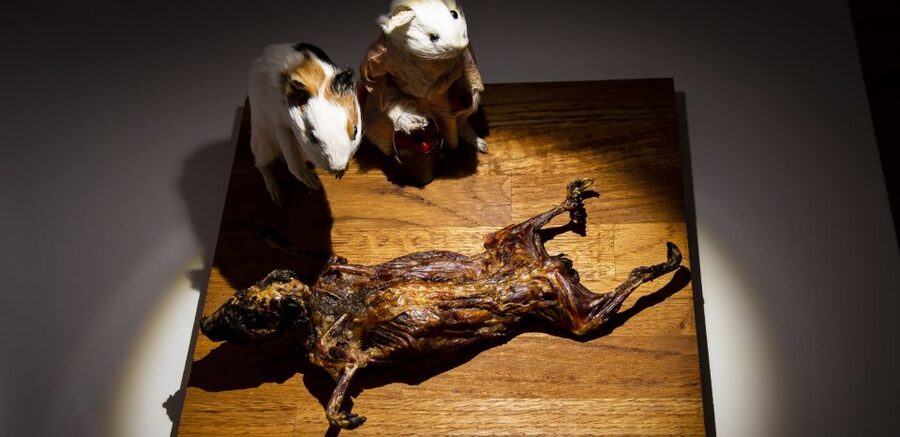
The exhibits mix humor with material that may be harder to view. Taxidermied guinea pigs appear among the displays, and some images can evoke strong emotions. This is not a traditional food museum that focuses only on recipes and pleasant dining memories.
The photo booth adds a lighter break. You can have your picture taken while reacting to foul odors, giving you a souvenir of your bravest or least dignified moment. It is a good feature for friends, families with older children, and solo visitors who want a playful record of the experience.
I appreciate that the museum does not treat disgust as a single universal reaction. Your response depends on what you grew up eating and what you consider acceptable. The exhibits make that point through examples rather than a long academic lecture, so the visit remains easy to follow.
Still, pay attention to the warnings. If you are vegan or vegetarian, some displays may be disturbing. If you are sensitive to animal products or graphic food imagery, you may prefer to move quickly through certain sections.
Same city, a completely different kind of day:
- Malmö: 3-Hour Guided Walking Tour
★ 4.4 · 34 reviews - Walk Malmö with an audio guide
★ 3.5 · 31 reviews - Copenhagen: Full-Day Trip to Malmö by Train
★ 4.9 · 31 reviews - Malmo Walking Tour, 3 hours (small group)
★ 4.5 · 26 reviews
The tasting bar is the real test
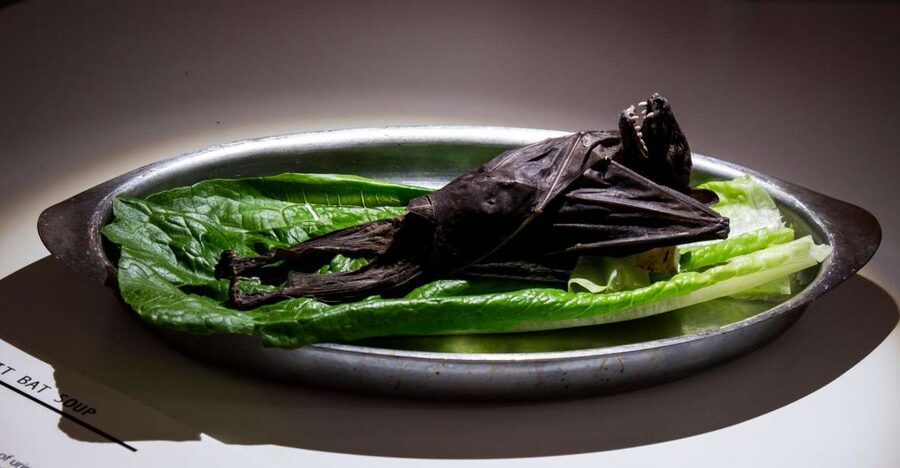
At the end, you reach the part most people anticipate: the tasting bar. The ticket includes the samples, and staff guide you through the items. You can try dried insects, stinky cheeses, fermented shark, and the infamous Swedish surströmming, a fermented herring known for its powerful odor.
The staff make a big difference here. They explain the flavor, smell, and texture of each item so you know what to expect. Allergies are clearly marked, and there is no pressure to eat something that you cannot or do not want to try.
That makes the tasting more approachable than it sounds. You are not expected to swallow every sample to prove anything. You can listen, smell, taste a little, and decide where your personal limit lies.
Some people treat the tasting as a challenge. A food bingo or full-house style challenge may be available, along with hot sauces and a chilli challenge. You should sign a waiver before taking on the chillies. If you enjoy spicy food, the challenge may not seem very intense, but it can still be a memorable final act.
One practical warning comes from the tasting itself: do not follow a hot sauce with citrus sorbet. The combination can make the chilli burn feel much worse. Water and a cautious pace are better choices if you decide to test the sauces.
What the foods actually teach you
The strongest part of the tasting is not the shock value. It is the chance to connect a smell or taste with a place and a method of food production.
Fermented shark, for example, lets you think about preservation and local food traditions. Surströmming shows how fermentation can become a defining part of a national food culture. Stinky cheeses and dried insects raise questions about texture, protein, climate, and what ingredients are available.
You may not find a new favorite food, though that possibility is part of the fun. The better result is that you leave with a clearer idea of why food disgust varies so much. The staff’s explanations help you separate the taste from the reputation.
The tasting also gives the museum a social side. You can watch friends decide who is brave, cautious, or suddenly very particular about texture. Solo visitors are not left out, since the staff guide each person through the samples. The small-group format helps, but the bar can become crowded during busy periods.
How long to allow and how to plan the visit
The average visit takes about one hour and 30 minutes. That is enough time to read the main information, inspect the displays, use the photo booth, and taste several samples.
I would allow extra time if the museum is busy. The tasting bar is the most likely place for a delay because people need explanations, allergy checks, and time to decide what they will try. The exhibition itself is compact, so a longer visit does not mean there are endless galleries.
Your ticket is valid for the whole day. Since the time on the booking is only an indication, you have room to fit the museum around lunch, shopping, or other Malmö plans. The $24 price is reasonable if you plan to taste several items and enjoy interactive attractions. It is less appealing if you only want a quick look at the displays and have no interest in sampling food.
Admission also includes the disgusting photo booth and tasting bar. Those inclusions matter because they are central parts of the experience, not minor extras added at the end. You are paying for an exhibition plus guided food sampling, rather than a standard museum ticket.
The gift shop goes all the way
After the tasting, the gift shop keeps the theme going. You might find frozen bull testicles and extremely salty licorice among the unusual products.
This is not essential to the visit, but it gives you a chance to take home something that matches the museum’s sense of humor. The shop is best approached after you have finished the exhibits and tasting, when you already understand the difference between a strange souvenir and a serious food product.
If you discover that you like one of the more unusual foods, the shop may be your chance to look for it. If not, you can simply enjoy the final joke and leave with a story instead of a purchase.
Who will enjoy this experience
I would recommend the museum to curious eaters, adventurous couples, small groups of friends, and families with older children who enjoy unusual attractions. It also works well for solo visitors because the staff explain the samples and do not require you to arrive with a group.
Food lovers get more from the museum than people who only want a gross-out stunt. You can learn about fermentation, preservation, cultural habits, and the way smell shapes appetite. The visit is funny, but it also gives you something to think about.
You should think twice if you are highly sensitive to odors, animal products, strong images, or fermented foods. You can skip tasting samples, but you cannot avoid every smell in the museum. Vegans and vegetarians may find some displays disturbing even if they choose not to eat.
Children need adult supervision. The subject matter is not designed as a gentle children’s museum, and some displays require context.
Is the $24 ticket good value?
At $24 per person, this is not the cheapest quick attraction in Malmö. The museum is small, and the main visit lasts around 90 minutes. If you judge value only by the number of rooms, you may find the price high.
The calculation changes when you include the tasting bar, the photo booth, and staff explanations. You are getting an interactive experience with food samples that would be difficult to assemble on your own. The staff’s guidance also helps you understand what you are trying instead of facing a plate of unknown items.
The ticket is a good value for someone who enjoys unusual museums and plans to taste several foods. It is a weaker buy for someone who dislikes fermented flavors or wants a long, traditional museum visit. Free cancellation up to 24 hours before the visit and the option to reserve now and pay later make booking less risky if your plans are still changing.
My final take on Malmö’s food challenge
I like this experience because it uses humor to make food culture easier to discuss. The vomit-bag ticket, smell jars, photo booth, and tasting bar keep the visit lively, while the explanations give the odd foods real context.
Book it if you want something different from Malmö’s standard sightseeing and are willing to let your nose and stomach make the decisions. Skip it if strong smells or animal-based displays are likely to ruin your day. For most curious visitors, the best approach is to go in with no need to prove anything. Taste what you can, skip what you cannot, and enjoy the fact that food traditions are often stranger than they first appear.
FAQ
How long does the museum visit take?
The average visit takes about one hour and 30 minutes. A busy tasting bar can make the visit last longer.
What foods can I taste?
The tasting bar includes items such as dried insects, stinky cheeses, fermented shark, and surströmming. The available samples are explained by staff.
Is the tasting included in the ticket price?
Yes. Entry to the museum, the disgusting photo booth, and the tasting bar are included.
Is the experience offered in English?
Yes. The host or greeter language is English, and the additional language information lists English.
Is the museum wheelchair accessible?
Yes, the museum is wheelchair accessible.
Can children visit the museum?
Yes, but children are only allowed to visit under adult supervision. Some images and displays may be disturbing, particularly for sensitive visitors, vegans, and vegetarians.
More Museums in Malmo
- Stockholm: Skansen Open-Air Museum Admission Ticket
★ 4.5 · 3,427 reviews - Stockholm Pass: Save up to 50% – Includes Vasa Museum Ticket
★ 4.1 · 2,392 reviews - Stockholm: Nobel Prize Museum and Exhibition Entry Ticket
★ 4.3 · 994 reviews - Stockholm: Fotografiska Museum Entrance Ticket
★ 4.5 · 702 reviews
Just added around Malmo
- Self-Guided Audio Walking Tour Through Kurt Wallander’s Ystad★ 3.5 · 12 reviews
- Surprise Walk of Malmö with a Local★ 4.0 · 9 reviews
- Malmo Walking Tour, 3 hours (small group)★ 4.5 · 26 reviews
- Daytrip Bike Tour on the Swedish Countryside Private★ 5.0 · 4 reviews
- Walk Malmö with an audio guide★ 3.5 · 31 reviews
- Lund’s Medieval and Modern History: A Self-Guided Audio Tour★ 4.5 · 11 reviews
- Malmo Bike Rental★ 5.0 · 19 reviews
- Malmö Walking Tour: Explore Top Sights & Hidden Gems★ 4.0 · 23 reviews
Museums, compared.

Stockholm Pass: Save up to 50% – Includes Vasa Museum Ticket
Read our review →

Skip the Line: Disgusting Food Museum Entrance Ticket
Read our review →
Vasa Museum Guided Tour, Including Ticket & Guide
Read our review →
Browse the lists this tour appears in