
Reviewed · MUSEUMS
Stockholm: Nobel Prize Museum and Exhibition Entry Ticket
The most interesting part of the Nobel Prize Museum is its human scale. Instead of treating the prizes as distant academic trophies, it links major discoveries, books, and peace efforts to the people who made them happen. More than 200 donated objects, short films, audio stories, and guided explanations help put faces and personal details behind famous names.
I like the museum’s central location on Stortorget and its flexible format. You can join a roughly 30-minute tour, then look around at your own pace, or make a shorter stop between other Old Town sights. The main drawback is size: at $18, it offers good value for curious visitors, but anyone expecting a large science museum may finish sooner than expected.
In This Review
- Key points to know before you go
- What the Nobel Prize Museum actually gives you
- Starting at Stortorget in Gamla Stan
- The guided tour and the better way to use it
- Exploring the 200-plus objects
- Films, audio stories, and hands-on appeal
- Special exhibitions add variety
- How long should you plan?
- Is $18 a fair price?
- Food, the shop, and nearby planning
- Accessibility and booking flexibility
- Who will enjoy this museum most?
- My practical verdict
- FAQ
- Where is the Nobel Prize Museum located?
- What does the admission ticket include?
- Are guided tours included?
- How long does a visit take?
- Is the museum wheelchair accessible?
- Is food included with the ticket?
- Can I cancel or pay later?
Key points to know before you go

- More than 200 laureate objects: Personal belongings and artifacts connect prize winners to their work and achievements.
- Daily English tours: Ask entrance staff about the day’s schedule and sign up soon after arriving.
- Flexible visit length: A quick visit takes around 30 minutes, while films, audio, and object labels can stretch your stay to 1 to 3 hours.
- Special exhibitions included: Your ticket covers temporary displays as well as the permanent collection.
- Easy Old Town stop: The museum sits on Stortorget in Gamla Stan, making it simple to add to a walking day.
- Bistro Nobel closed during spring: Food and drinks are not included, and the bistro is listed as closed for restoration work.
What the Nobel Prize Museum actually gives you
The museum introduces the scientists, writers, peace workers, and other laureates connected with the Nobel Prizes. Alfred Nobel’s decision to create the prizes forms the starting point, but the focus soon shifts to the people who received them and the work that brought them to Stockholm’s famous award ceremonies.
The permanent exhibition, These Things Changed the World, presents a large selection from the museum’s collection. More than 200 objects point toward inventions, courageous peace efforts, new ideas, and important works of literature.
That wording matters. This is not simply a room filled with medals and portraits. You may find personal belongings that reveal something about a laureate’s life, along with explanations of the work that earned recognition. The objects can be modest, which is part of their appeal. A personal item can make an abstract achievement feel closer and easier to understand.
At the same time, you should set your expectations correctly. The museum is small. It gives you a clear overview rather than a huge survey of every discovery and every winner. If you want technical detail about scientific breakthroughs, some displays may feel lighter than expected. The emphasis often falls on stories, people, and context.
A few more Stockholm trips to weigh up
- Stockholm: Skansen Open-Air Museum Admission Ticket
★ 4.5 · 3,427 reviews - Stockholm Pass: Save up to 50% – Includes Vasa Museum Ticket
★ 4.1 · 2,392 reviews - Stockholm: Fotografiska Museum Entrance Ticket
★ 4.5 · 702 reviews
Starting at Stortorget in Gamla Stan
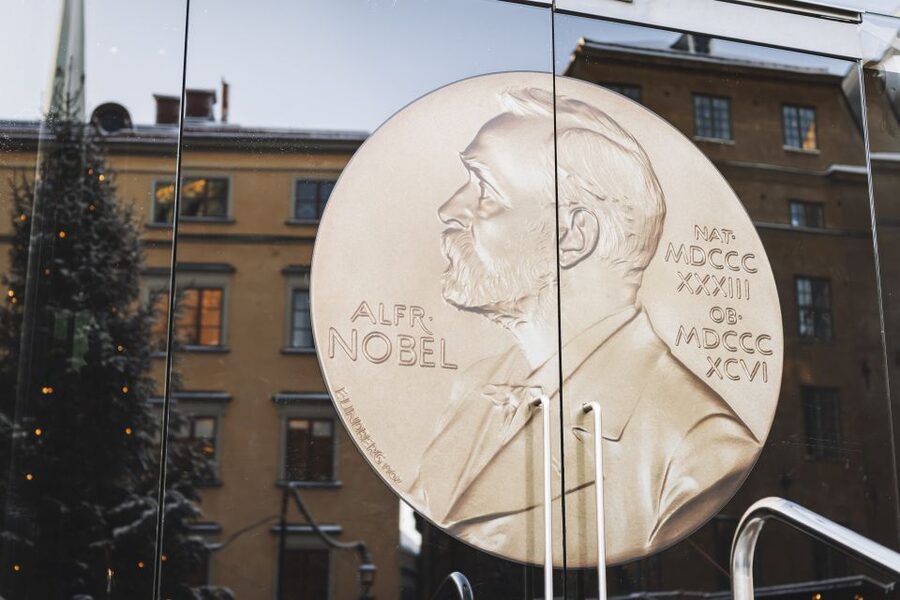
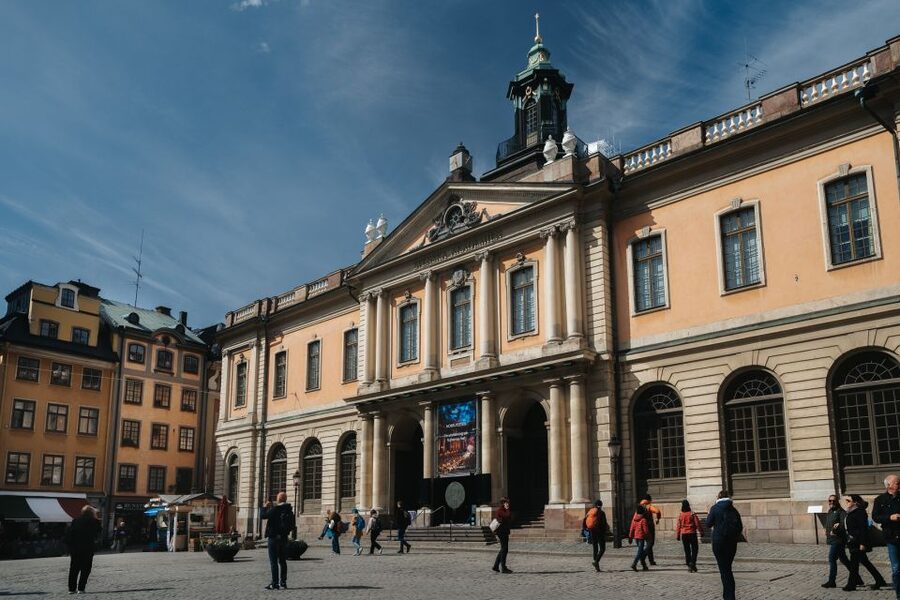
The museum is at Stortorget, the central square in Stockholm’s Old Town. This makes it one of the easiest cultural stops to add to a day of walking through Gamla Stan.
I like this location because you do not need to build a separate outing around it. You can visit after seeing the square, the surrounding old streets, or other nearby sights. The museum also works well as a planned indoor break if the weather turns cold or wet.
Your online ticket should make entry straightforward. At the entrance, ask about the next English tour before you start exploring. Daily tours in English and Swedish are included in the ticket, and the short guided introduction can help you understand what to look for in the collection.
The entrance staff can provide information about tour times. Since the tour is included rather than an extra purchase, it makes sense to check the schedule immediately. A guided introduction is especially useful if you know little about the Nobel Prizes or want the stories behind the objects rather than only reading labels.
The guided tour and the better way to use it
The included museum tour lasts about 30 minutes, according to the detailed visit accounts provided for this experience. It is short enough to fit into a busy Stockholm day, but long enough to explain the basic structure of the prizes and point out selected stories.
I would take the tour first, then return to the displays. The guide can give you the broad picture: how the prizes began, what they recognize, and why particular laureates matter. Afterward, you can spend more time with the subjects that catch your attention.
One useful point is that the tour does not replace your own visit. It is an orientation rather than a full private lecture on every object. You will still want time to watch films, listen to audio, and read the longer descriptions.
English is available, and the activity information also identifies English as the host language. Swedish tours are offered as well, but ask the entrance staff for the current times. If the English session is later in the day, you can explore independently first and join the tour when it begins.
Exploring the 200-plus objects

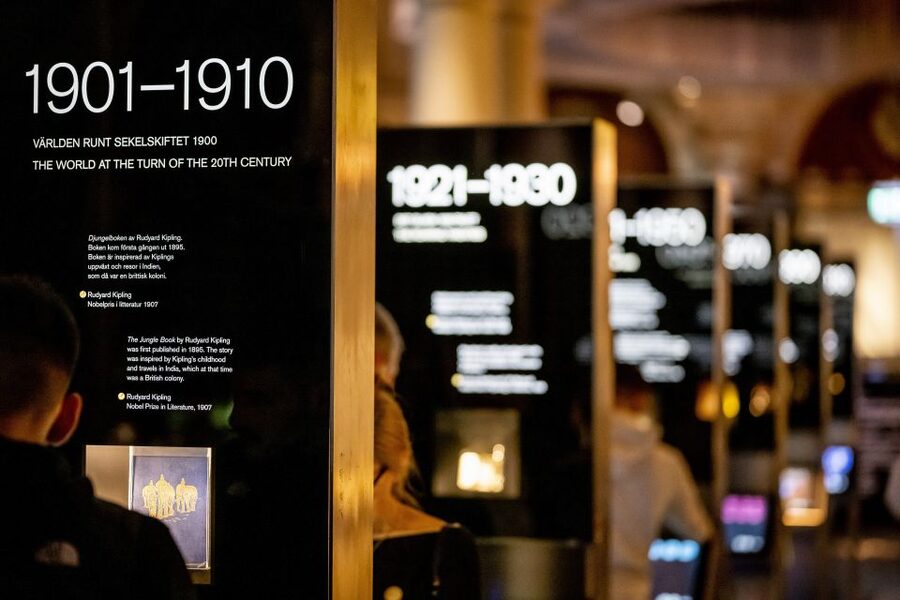
The permanent display is the heart of the visit. The collection includes more than 200 artifacts connected with Nobel Prize laureates. Together, they cover revolutionary inventions, peace work, scientific ideas, and literature.
The best way to approach this section is to slow down at objects that interest you. You may not want to read every label, especially if you are visiting with children or on a tight schedule. Pick a few areas, then use the audio and video material to add depth.
The personal objects are often more accessible than technical explanations. They can show the person behind the prize and offer a small clue about a life shaped by research, writing, campaigning, or public service. This is useful for families because the subject is not limited to dense scientific text.
Still, the museum does not explain every invention in great technical detail. If your main goal is to study how a specific breakthrough worked, you may want a more specialized museum. Here, the larger story is how an individual’s work affected humanity and how the Nobel system recognizes that work.
Same city, a completely different kind of day:
- Stockholm: City Archipelago Sightseeing Cruise with Guide
★ 4.3 · 10,798 reviews - Stockholm: Archipelago Boat Tour
★ 4.4 · 3,110 reviews - Stockholm: Highlights Boat Tour
★ 4.3 · 2,542 reviews - Stockholm: Ghost Walk and Historical Tour
★ 4.7 · 2,206 reviews
Films, audio stories, and hands-on appeal
Multimedia gives the museum much of its energy. Videos and audio stories accompany the objects and help keep the visit from becoming a silent march through display cases.
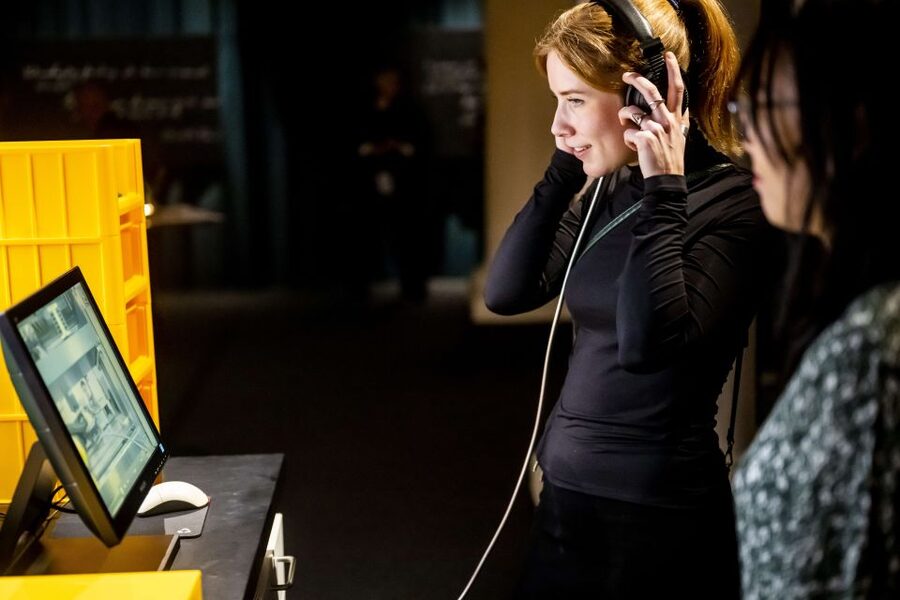
The audio stories are particularly useful if you want more than a quick look. They add personal detail and make it easier to remember individual laureates after you leave. The videos also help explain subjects that are difficult to convey through an object alone.
You can choose how much time to spend. A brisk visit may take around 30 minutes, especially if you focus on the highlights. Plan closer to 1 or 2 hours if you read the descriptions and view a selection of the films. Allow up to 3 hours if you want to take in most of the videos and object stories.
Families should note that some interactive elements are designed to make the subject approachable for children. The museum can work well for older children and teenagers, particularly those interested in science, history, peace, or literature. One previous family visit found it especially worthwhile for a 17-year-old. Some children’s components have shown wear, so do not expect every interactive feature to feel brand new.
Special exhibitions add variety
The ticket includes access to special exhibitions and temporary displays. These change the emphasis of the visit and give you another reason to return if a new subject interests you.
Because the activity information does not specify the current temporary exhibition, check what is showing when you book or arrive. The special display may appeal more to you than the permanent collection, or it may provide a useful second angle on the Nobel Prizes.
The inclusion matters for value. You are not paying separately for the temporary area, so even a short visit can include more than the main laureate display. Just remember that temporary exhibitions can change, and the exact content should not be assumed from an older itinerary.
How long should you plan?
The museum advertises a one-day ticket, but that means you have access during the valid day, not that you need to spend an entire day inside. Most people will find 1 to 2 hours comfortable.
Here is a practical way to plan it:
- Allow 30 minutes for the orientation tour and a quick look around.
- Allow 1 hour if you want the main stories, several objects, and a few videos.
- Allow 2 to 3 hours for careful reading, audio stories, films, and the special exhibition.
I like this flexibility. You can fit the museum into a packed Stockholm schedule without sacrificing a full morning. On the other hand, you should not choose it expecting a day-long attraction. Its compact size is praised by some visitors because it feels organized and manageable, while others find it too small for the price.
Is $18 a fair price?
At $18 per person, the ticket is not the cheapest short museum stop in Stockholm. Its value depends on how you use it.
The price makes better sense if you join the included tour, explore the special exhibition, and spend time with the audio and video material. It is also a solid choice if you have a personal interest in Nobel laureates, Alfred Nobel, peace work, scientific achievement, or literature.
The value is weaker if you only walk through the rooms quickly. Several people have found the museum smaller than expected, and a short visit can make the admission feel high. You may also want to budget for a drink or snack elsewhere because food and drinks are not included.
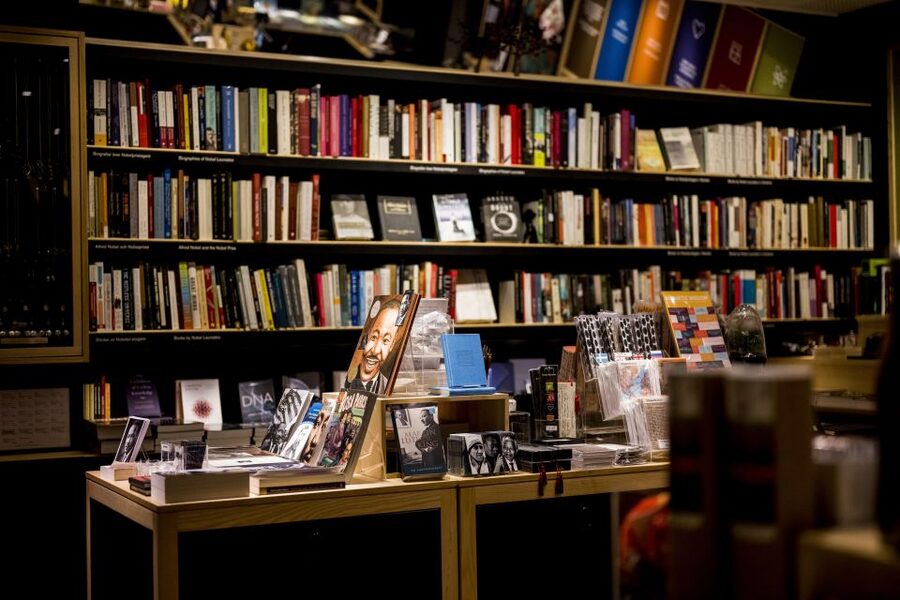
The museum shop adds another pleasant stop. It sells books, gifts, souvenirs, and the famous chocolate Nobel Prize medal. The chocolate medal is a playful keepsake, especially for children, and a better souvenir than another generic city magnet.
Food, the shop, and nearby planning
Bistro Nobel is part of the museum experience in normal conditions, but it is listed as closed during the spring for restoration after previous water damage. Do not plan your meal around it during that period.
This closure is worth noting because the bistro has been an appealing part of the visit in the past. For now, bring no expectation of eating inside, and plan a cafe or meal elsewhere in Gamla Stan.
The shop remains useful even if you are not looking for a major purchase. Books can extend your visit after you leave, while the chocolate medal gives you a lighthearted reminder of the museum. I would browse it at the end, once you know which laureate or theme interested you most.
Accessibility and booking flexibility
The museum is wheelchair accessible, which makes it a practical choice for visitors who need step-free cultural attractions. The activity offers free cancellation up to 24 hours before the visit and a reserve-now, pay-later option, so you can keep a little flexibility in a changing Stockholm itinerary.
The ticket is valid for one day. Starting times depend on availability, so check the date you want before booking. The host or greeter language is English, and the museum also offers daily tours in English and Swedish.
These details are most useful when you are fitting the museum around a cruise arrival, a family schedule, or several Old Town stops. Since the museum is compact, you do not need to block out a full day, but you should check the tour time if that part matters to you.
Who will enjoy this museum most?
I would recommend it to you if you like ideas presented through personal stories. It suits people who want to understand the origins of the Nobel Prizes, the award process, the banquet tradition, and the achievements of laureates without committing to a large, highly technical institution.
It is also a good family stop for children and teenagers who learn better through video, audio, and objects than through long written displays. The subject connects naturally to school topics in science, literature, politics, and world history.
You may be less satisfied if you want a large collection, extensive technical detail, or a long guided tour. The museum gives an overview, not a full biography of every laureate. Its compact layout is a strength for a short city visit, but a limitation if you expect a major attraction on the scale of Stockholm’s larger museums.
My practical verdict
I like the Nobel Prize Museum because it makes an impressive subject approachable. The included short tour, personal artifacts, and multimedia displays give you several ways to connect with the prizes. Its location on Stortorget also makes the visit easy to add to a day in Gamla Stan.
Book it if you have at least an hour, care about science, writing, peace, or human achievement, and will take time with the stories. If you are mainly looking for spectacular rooms or detailed explanations of inventions, spend your $18 elsewhere. For the right visitor, this is a thoughtful, manageable museum with enough variety to reward a careful visit.
FAQ
Where is the Nobel Prize Museum located?
The museum is located at Stortorget in Stockholm’s Old Town, Gamla Stan.
What does the admission ticket include?
The ticket includes museum entry, access to the special exhibition, and a museum tour.
Are guided tours included?
Yes. Daily guided tours in English and Swedish are included in the ticket. Ask the entrance staff for the current tour times.
How long does a visit take?
A quick visit can take about 30 minutes. Allow 1 to 2 hours for a fuller visit, or up to 3 hours if you watch many videos and read the object descriptions.
Is the museum wheelchair accessible?
Yes. The activity information identifies the museum as wheelchair accessible.
Is food included with the ticket?
No. Food and drinks are not included. Bistro Nobel is listed as closed during the spring for restoration work after previous water damage.
Can I cancel or pay later?
You can cancel up to 24 hours before the visit for a full refund. A reserve-now, pay-later option is also available.
Just added around Stockholm
- World War II Stockholm Old Town Walking Tour and Army Museum★ 4.6 · 4 reviews
- Stockholm: Archipelago Guided Boat & Walking Tour of Vaxholm★ 3.1 · 23 reviews
- Stockholm: Underground Metro Art Ride with a Local Guide★ 4.6 · 39 reviews
- Vaxholm & Stockholm Archipelago: Guided Excursion, Day Trip★ 4.8 · 41 reviews
- Wolf and Wildlife Tracking in Sweden★ 5.0 · 9 reviews
- Scandinavian Art, Architecture and Design Tour in Stockholm★ 4.5 · 11 reviews
- Private Tour: Swedish History Day Trip to World Heritage Candidate Markim-Orkesta from Stockholm★ 5.0 · 8 reviews
- Walking Tour of Stockholm’s City Center★ 4.5 · 26 reviews
Museums, compared.
Stockholm Pass: Save up to 50% – Includes Vasa Museum Ticket
Read our review →

Skip the Line: Disgusting Food Museum Entrance Ticket
Read our review →
Vasa Museum Guided Tour, Including Ticket & Guide
Read our review →

Browse the lists this tour appears in